
Is pigment the same as food coloring?
Never confuse pigments with edible colorants! Hello everyone! I’m a star employee at CHROMÉCLAIR, a brand of hema free gel polish brands.Although both paint pigments and edible colorants can add color to objects, they are entirely different products.Artistic pigments emphasize color expression and adhesion, while food coloring must undergo rigorous food safety certification. The key differences are as follows:01 Design Purpose and Usage
Art Paints Used for creating art or decoration on non-food surfaces. Common uses include:- Painting on paper, canvas, wood, ceramics, fabric, walls, etc.
- Crafting handmade items and model painting.
- Certain specialized types may be used for body painting (but must be explicitly labeled as “body paint-specific pi
 Edible Food Colorings
Specifically designed for adding to food and beverages to alter their color.
Common uses include:
– Baking (cakes, cookies, frosting, fondant)
– Making candies and chocolates.
– Coloring beverages (such as cocktails, milkshakes).
– Decorating plates (requires use of food coloring that meets standards).
Edible Food Colorings
Specifically designed for adding to food and beverages to alter their color.
Common uses include:
– Baking (cakes, cookies, frosting, fondant)
– Making candies and chocolates.
– Coloring beverages (such as cocktails, milkshakes).
– Decorating plates (requires use of food coloring that meets standards).
02 Ingredients and Safety
Art Paints * Complex composition. Typically consist of pigment powder (inorganic or organic), binders (e.g., acrylic resin, gum arabic, oil), solvents (water, oil, alcohol, etc.), fillers, and various possible additives (e.g., preservatives, thickeners, leveling agents). * Contains non-edible and potentially toxic substances. To achieve vibrant colors, strong coverage, excellent adhesion, lightfastness, and weather resistance, pigments may contain heavy metals (like lead, cadmium, chromium, though modern products minimize these), chemical solvents, synthetic resins, and other non-food-grade chemicals. Even watercolors/finger paints labeled “non-toxic” for children only indicate low acute toxicity risks under normal use (e.g., skin contact, accidental ingestion of small amounts). This does not imply they are edible or meet food safety standards. * Safety Standards. Primarily complies with safety standards for art materials (such as ASTM D-4236, EN 71, etc.), which focus on health risks associated with long-term use or occasional accidental ingestion (e.g., heavy metal leaching levels) and do not evaluate their safety as food products. Edible Colorants * Strict ingredient requirements: Only colorants approved for food use by national or regional authorities (e.g., FDA, EFSA, China’s National Health Commission) may be used. These colorants may be: Natural colorants: Derived from plants, animals, or minerals (e.g., beetroot red, curcumin, caramel color, cochineal red, spirulina blue, titanium dioxide). Synthetic colorants: Artificially synthesized dyes that have undergone rigorous safety assessments (e.g., Tartrazine, Sunset Yellow, Brilliant Blue FCF, Allura Red AC). Even synthetic colorants must be on the permitted list and used within safe limits. * Free from non-food-grade additives: Carriers and additives must also be food-grade (e.g., water, glycerin, propylene glycol, sugars, etc.). * Safety Standards: Must comply with stringent food safety regulations and standards (e.g., FDA 21 CFR, EU Regulation (EC) No 1333/2008, GB 2760, etc.). These regulations specify permitted pigment types, purity requirements, maximum usage levels, and permissible food applications. 03 Edibility
* Art Paints:
Absolutely not edible! Ingesting art paints may cause poisoning, gastrointestinal discomfort, or allergic reactions. Long-term or excessive consumption of paints containing heavy metals may lead to severe health damage (such as nerve damage or organ damage). Even if labeled “non-toxic,” this refers only to compliance with art material safety standards, not food safety standards.
*Edible Food Coloring:
Designed for safe consumption. When used within specified types and quantities, it is considered safe. Of course, excessive intake of anything—including food coloring—carries potential risks, and some individuals may have allergies to specific dyes.
By the way, paint pigments often taste bitter—we strongly advise against tasting them!
⚠ Important Reminder!
* Under no circumstances should body paint pigments be used as edible food coloring! This is extremely dangerous.
* Even for decorative items that come into contact with food (such as figurines or toppers for cake decorations), if there is any possibility of contact with the food itself, food-grade pigments must be used, or it must be ensured that the painted areas do not come into direct contact with food and do not migrate.
* Body painting must use specialized body paint pigments. Regular art pigments and edible food coloring are unsuitable for direct, large-area, prolonged skin contact (especially on sensitive skin or children). Edible food coloring is only guaranteed to be relatively safe when ingested; it does not imply safety or comfort when applied to skin.
 03 Edibility
 Precautions for Using Natural Colorants
1 Compliance First:
→ Must comply with local regulations; usage must not exceed permitted ranges or quantities.
→ Example: Gardenia blue is restricted to candy and pastry decoration; it cannot be used in meat products.
2 Stability Issues:
→ Most natural colorants are sensitive to pH, light exposure, temperature, and metal ions (e.g., anthocyanins appear red in acidic conditions and blue in alkaline conditions).
→ Solutions: Add color stabilizers (e.g., vitamin C), use light-blocking packaging, control processing temperatures.
3 Off-Flavors and Impurities:
→ Some pigments carry raw material odors (e.g., spirulina’s fishy smell, chili’s pungency) requiring deodorization.
→ Select high-purity products to prevent flavor interference.
4 Allergy Risks:
→ Cochineal red (derived from insects) and certain plant pigments may cause allergies; require labeling (e.g., “Contains cochineal red”).
Precautions for Using Natural Colorants
1 Compliance First:
→ Must comply with local regulations; usage must not exceed permitted ranges or quantities.
→ Example: Gardenia blue is restricted to candy and pastry decoration; it cannot be used in meat products.
2 Stability Issues:
→ Most natural colorants are sensitive to pH, light exposure, temperature, and metal ions (e.g., anthocyanins appear red in acidic conditions and blue in alkaline conditions).
→ Solutions: Add color stabilizers (e.g., vitamin C), use light-blocking packaging, control processing temperatures.
3 Off-Flavors and Impurities:
→ Some pigments carry raw material odors (e.g., spirulina’s fishy smell, chili’s pungency) requiring deodorization.
→ Select high-purity products to prevent flavor interference.
4 Allergy Risks:
→ Cochineal red (derived from insects) and certain plant pigments may cause allergies; require labeling (e.g., “Contains cochineal red”).

Recommended for Home/Small-Scale Use (Secure and Easily Obtainable)
| Natural ingredients | Natural ingredients | Natural ingredients |
| Spinach/Matcha Powder | Juice or use directly | Dough, butter (green) |
| Purple Cabbage Juice | Juice (adding vinegar turns it pink) | Beverages, frosting (high pH color-changing fun) |
| Dragon Fruit Juice | Juice and strain | Dough, mousse (rose red) |
| Pumpkin Puree | Steam and mash | Bread, cookies (orange-yellow) |
| Butterfly Pea Flower Tea | Soak in hot water | Beverages (blue, turns purple when exposed to lemon) |
- “Natural” ≠ “Non-toxic and unlimited”: Even natural colorants may pose health risks when used excessively (e.g., large amounts of curcumin can irritate the stomach).
- Purchase certified products:Choose food-grade colorants with **SC Production Licenses** and avoid industrial or art-grade dyes.
- Use with caution for specific groups: Pregnant women and infants should minimize complex colorants in food, prioritizing natural ingredients for coloring.
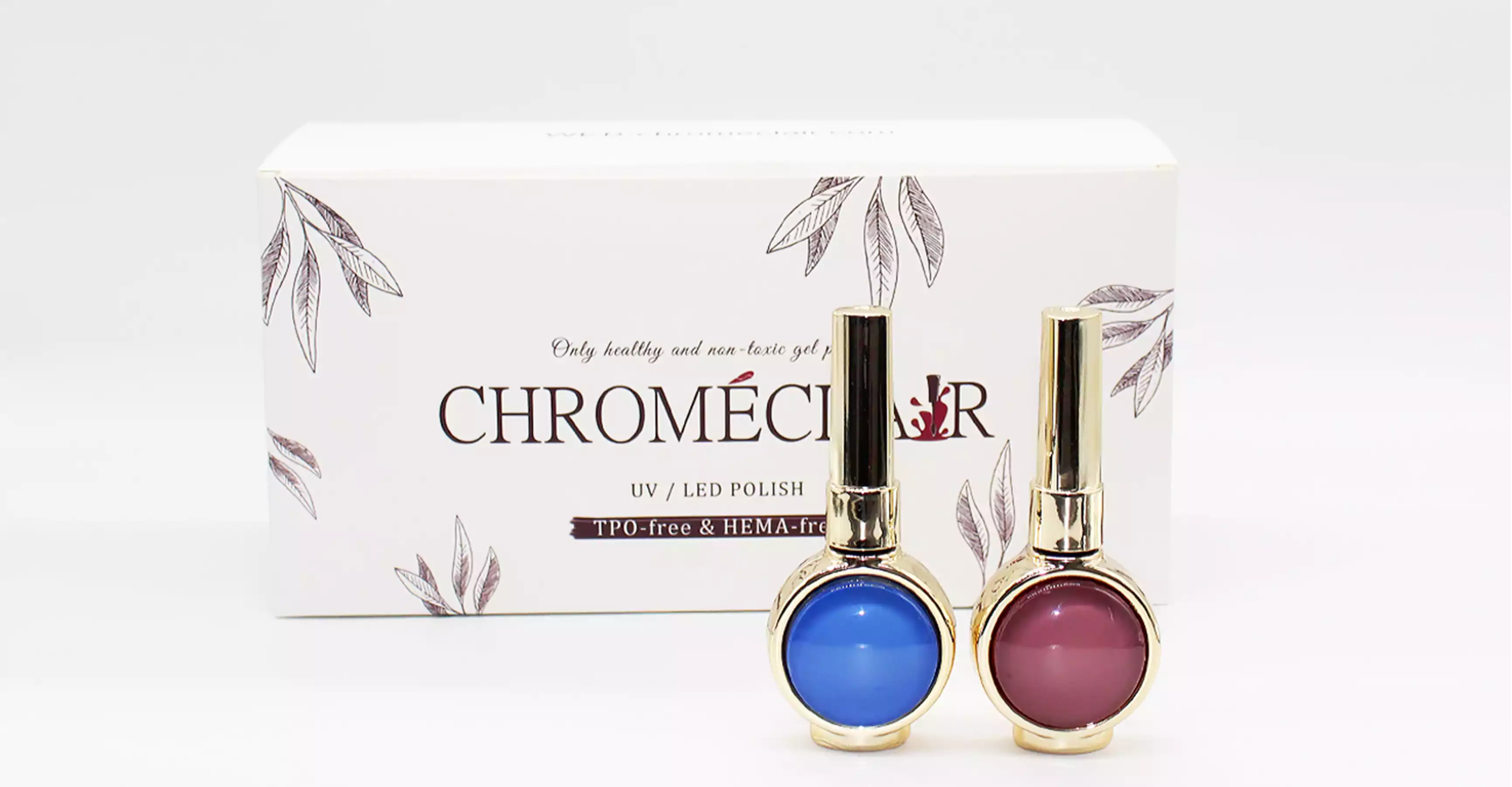 Their website also features nail art tutorials, such as:
How to Do the Plush Nail Art at Home?
Get a Autumn & Winter Manicure At-Home Manicure in 4 Easy Steps
Related product references: For formulation review or sourcing comparison, see CHLUMIUV 360 and CHLUMIUV UV-1577.