
颜料和食用色素一样吗?
Never confuse pigments with edible colorants! Hello everyone! I’m a star employee at 克拉克莱尔的一个品牌 无hema啫喱油品牌艺术颜料强调色彩表现力和附着力,而食用色素则必须经过严格的食品安全认证。 主要区别如下:01 设计目的和用途
艺术颜料 Used for creating art or decoration on non-food surfaces. Common uses include:- 在纸张、画布、木材、陶瓷、织物、墙壁等上绘画。
- 手工艺品制作和模型绘画。
- 某些专用类型可用于人体彩绘(但必须明确标注为 "人体彩绘专用 pi
 食用色素
Specifically designed for adding to food and beverages to alter their color.
Common uses include:
– Baking (cakes, cookies, frosting, fondant)
– Making candies and chocolates.
– Coloring beverages (such as cocktails, milkshakes).
– Decorating plates (requires use of food coloring that meets standards).
食用色素
Specifically designed for adding to food and beverages to alter their color.
Common uses include:
– Baking (cakes, cookies, frosting, fondant)
– Making candies and chocolates.
– Coloring beverages (such as cocktails, milkshakes).
– Decorating plates (requires use of food coloring that meets standards).
02 成分与安全
艺术颜料 * 成分复杂。 通常由颜料粉末(无机或有机)、粘合剂(如丙烯酸树脂、阿拉伯树胶、油)、溶剂(水、油、酒精等)、填料和各种可能的添加剂(如防腐剂、增稠剂、匀染剂)组成。 * 含有非食用物质和潜在有毒物质。 为了达到色彩鲜艳、遮盖力强、附着力好、耐光性和耐候性好的效果,颜料中可能会含有重金属(如铅、镉、铬,尽管现代产品已将这些物质的含量降至最低)、化学溶剂、合成树脂和其他非食品级化学品。即使是标有 "对儿童无毒 "的水彩颜料/手指画颜料,也只表明在正常使用情况下急性毒性风险较低(如皮肤接触、误食少量)。这并不意味着它们可以食用或符合食品安全标准。 * 安全标准。 主要符合艺术材料的安全标准(如 ASTM D-4236、EN 71 等),这些标准的重点是与长期使用或偶尔意外摄入(如重金属沥滤水平)相关的健康风险,而不评估其作为食品的安全性。 食用色素 * 严格的成分要求: Only colorants approved for food use by national or regional authorities (e.g., FDA, EFSA, China’s National Health Commission) may be used. These colorants may be: 天然着色剂 从植物、动物或矿物质中提取(如甜菜根红、姜黄素、焦糖色、胭脂虫红、螺旋藻蓝、二氧化钛)。 合成着色剂 经过严格安全评估的人工合成染料(如酒石酸、日落黄、亮蓝 FCF、Allura 红 AC)。即使是人工合成着色剂,也必须在许可清单上,并在安全范围内使用。 * 不含非食品级添加剂: 载体和添加剂也必须是食品级的(如水、甘油、丙二醇、糖等)。 * 安全标准:必须符合严格的食品安全法规和标准(如 FDA 21 CFR、欧盟法规 (EC) No 1333/2008、GB 2760 等)。这些法规规定了允许使用的颜料类型、纯度要求、最大使用量以及允许的食品应用领域。 03 食用性
* 艺术颜料:
绝对不可食用!摄入艺术颜料可能会导致中毒、肠胃不适或过敏反应。长期或过量食用含有重金属的颜料可能会导致严重的健康损害(如神经损伤或器官损伤)。即使标注 "无毒",也仅指符合艺术材料安全标准,而非食品安全标准。
*食用色素:
Designed for safe consumption. When used within specified types and quantities, it is considered safe. Of course, excessive intake of anything—including food coloring—carries potential risks, and some individuals may have allergies to specific dyes.
By the way, paint pigments often taste bitter—we strongly advise against tasting them!
⚠ 重要提醒!
* Under no circumstances should body paint pigments be used as edible food coloring! This is extremely dangerous.
* Even for decorative items that come into contact with food (such as figurines or toppers for cake decorations), if there is any possibility of contact with the food itself, food-grade pigments must be used, or it must be ensured that the painted areas do not come into direct contact with food and do not migrate.
* Body painting must use specialized body paint pigments. Regular art pigments and edible food coloring are unsuitable for direct, large-area, prolonged skin contact (especially on sensitive skin or children). Edible food coloring is only guaranteed to be relatively safe when ingested; it does not imply safety or comfort when applied to skin.
 03 食用性
 使用天然染色剂的注意事项
1 合规第一:
→ Must comply with local regulations; usage must not exceed permitted ranges or quantities.
→ Example: Gardenia blue is restricted to candy and pastry decoration; it cannot be used in meat products.
2 稳定性问题:
→ Most natural colorants are sensitive to pH, light exposure, temperature, and metal ions (e.g., anthocyanins appear red in acidic conditions and blue in alkaline conditions).
→ Solutions: Add color stabilizers (e.g., vitamin C), use light-blocking packaging, control processing temperatures.
3 异味和杂质
→ Some pigments carry raw material odors (e.g., spirulina’s fishy smell, chili’s pungency) requiring deodorization.
→ Select high-purity products to prevent flavor interference.
4 过敏风险:
→ 胭脂虫红(从昆虫中提取)和某些植物色素可能会引起过敏;要求标注(如 "含胭脂虫红")。
使用天然染色剂的注意事项
1 合规第一:
→ Must comply with local regulations; usage must not exceed permitted ranges or quantities.
→ Example: Gardenia blue is restricted to candy and pastry decoration; it cannot be used in meat products.
2 稳定性问题:
→ Most natural colorants are sensitive to pH, light exposure, temperature, and metal ions (e.g., anthocyanins appear red in acidic conditions and blue in alkaline conditions).
→ Solutions: Add color stabilizers (e.g., vitamin C), use light-blocking packaging, control processing temperatures.
3 异味和杂质
→ Some pigments carry raw material odors (e.g., spirulina’s fishy smell, chili’s pungency) requiring deodorization.
→ Select high-purity products to prevent flavor interference.
4 过敏风险:
→ 胭脂虫红(从昆虫中提取)和某些植物色素可能会引起过敏;要求标注(如 "含胭脂虫红")。

建议用于家庭/小规模使用(安全且易于获取)
| 天然成分 | 天然成分 | 天然成分 |
| 菠菜/抹茶粉 | 榨汁或直接使用 | 黄油面团(绿色) |
| 紫甘蓝汁 | 果汁(加醋会变成粉红色) | 饮料、糖霜(高 pH 值变色乐趣) |
| 火龙果汁 | 榨汁和过滤 | 面团,慕斯(玫瑰红) |
| 南瓜泥 | 蒸煮和捣碎 | 面包、饼干(橙黄色) |
| 蝴蝶豌豆花茶 | 在热水中浸泡 | 饮料(蓝色,遇柠檬变紫) |
- "天然"≠"无毒、无限制": 即使是天然色素,使用过量也会对健康造成危害(例如,大量姜黄素会刺激肠胃)。
- 购买经认证的产品:选择具有**SC 生产许可证**的食品级着色剂,避免使用工业或艺术级染料。
- 特殊人群慎用: 孕妇和婴儿应尽量减少食物中的复合色素,优先选择天然成分作为色素。
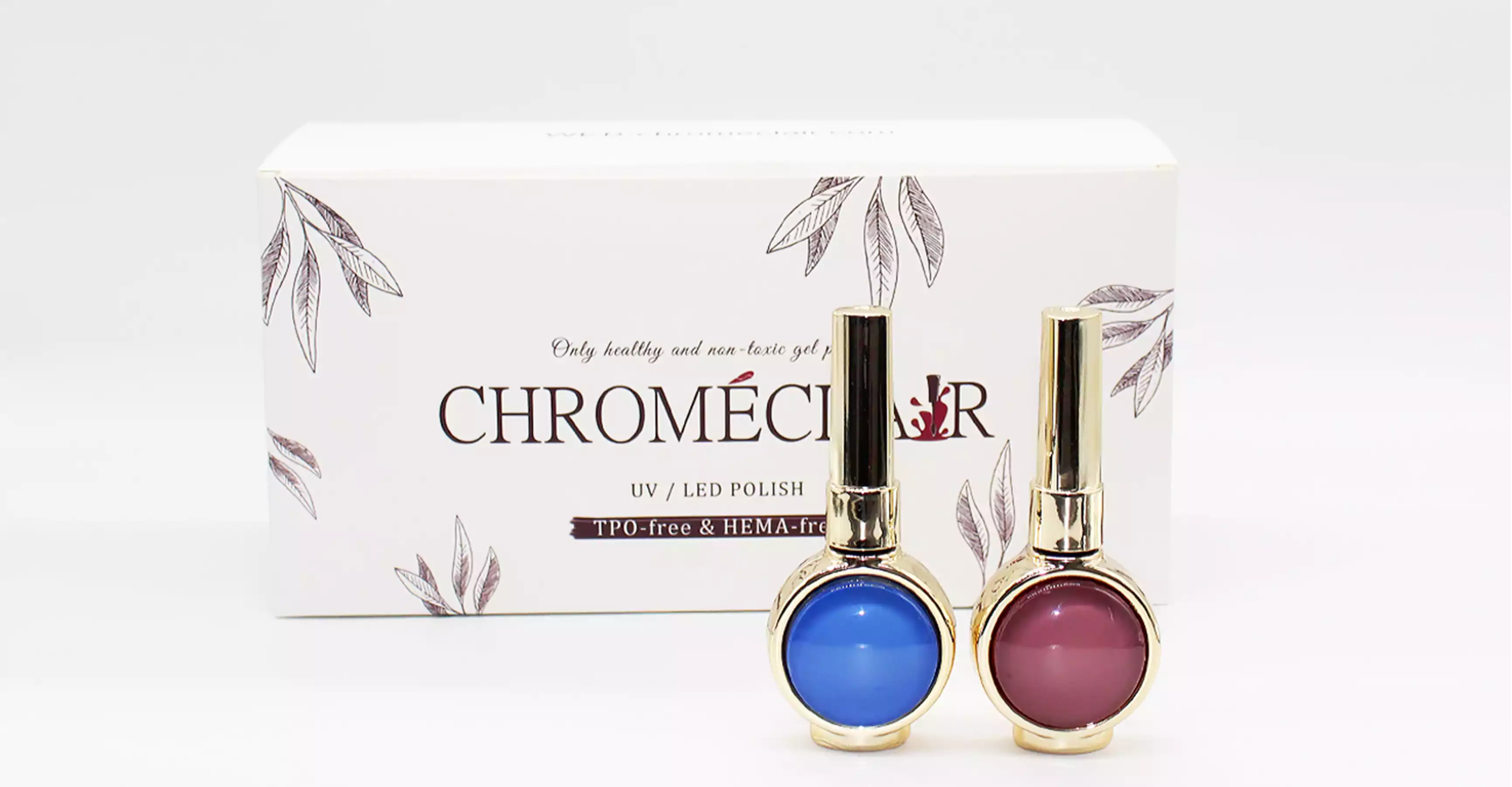 他们的网站还提供美甲教程,例如
Related product references: For formulation review or sourcing comparison, see CHLUMIUV 360 和 CHLUMIUV UV-1577.