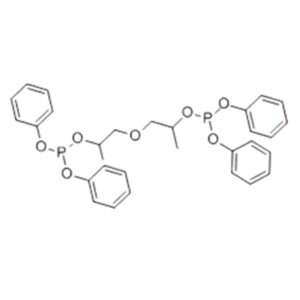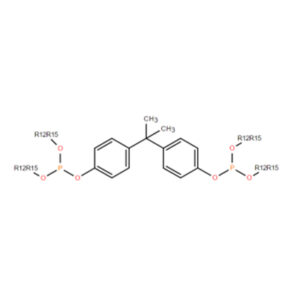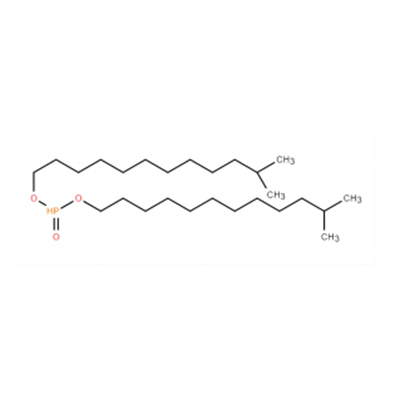
1. Polyolefin (PP/PE) Processing and Long-Term Stabilization:
In PP and PE, it synergistically works with hindered phenols (such as Irganox 1010) to inhibit thermo-oxidative degradation during high-temperature extrusion/injection molding, protecting molecular weight and mechanical properties. Suitable for food packaging films, thin-walled injection molded parts, automotive bumpers, etc. Addition amount: 0.1%–0.3%, compliant with FDA food contact standards.
2. PVC Heat Stabilization and Anti-Yellowing:
Suitable for rigid PVC (pipes, profiles, sheets) and flexible PVC (films, artificial leather, cable materials), it inhibits HCl release and thermal decomposition during high-temperature processing, reducing yellowing and embrittlement. Combined with metal soaps and epoxy stabilizers, it can improve long-term heat resistance and weather resistance. Addition amount: 0.1%–0.3%.
3. Engineering Plastics Thermo-Oxidative Aging Reinforcement:
Compatible with elastomers and engineering plastics such as ABS, PC/ABS, SBS, and SBR, it prevents thermo-oxidative aging and metal ion-catalyzed degradation, improving product toughness and crack resistance. Often used in synergy with hindered phenolic antioxidants in automotive interior parts, appliance housings, and sporting goods, with an addition level of 0.2%–0.4%.
4. Polyurethane (PU) Full-Chain Antioxidant Protection:
Used in PU flexible/rigid foams, elastomers, adhesives, and coatings, it inhibits the formation of polyol peroxides, preventing foaming core burning and product yellowing, improving processing thermal stability and long-term aging resistance. Addition level is 0.2%–0.4%. Suitable for automotive seats, insulation boards, and shoe materials when combined with hindered phenolic antioxidants.
5. Anti-aging Protection for Elastomers and Rubber:
Used in EPDM, NBR, neoprene rubber, etc., as an antioxidant and metal passivator, preventing thermo-oxidative aging and catalytic degradation by metals such as copper and iron. Improves the fatigue resistance and service life of outdoor/high-temperature products such as sealing strips, hoses, and tires. Additive dosage: 0.3%–0.6%.
6. Long-term Protection for Wire and Cable Insulation Materials:
Chelates metal ions, inhibiting their catalytic oxidation of cross-linked PE, PVC, EVA, and other insulation layers. Suitable for power cables, communication cables, and automotive wiring harnesses, improving long-term aging resistance and insulation reliability, especially suitable for copper core cables and high-temperature applications. Additive dosage: 0.2%–0.4%.
7. Stabilizes Coating and Adhesive Systems:
Prevents pre-crosslinking of solvent-based/water-based coatings and UV-curing adhesives during storage and curing, improves the weather resistance of alkyd resins and acrylic coatings, avoids coating delamination and gelation, suitable for outdoor architectural coatings, automotive refinish paints, industrial adhesives, etc., with an addition amount of 0.1%–0.3%.
8. Synergistic Blending of Polymer Anti-aging Systems:
Synergistically combines with hindered phenols, thioether antioxidants, and light stabilizers to construct a highly efficient anti-aging system, improving the material’s weather resistance, heat resistance, and yellowing resistance. Suitable for harsh environments such as outdoor building materials (plastic doors and windows, railings), automotive exterior parts, etc. The blending ratio is optimized according to the material and application scenario.
9. Food Contact Material Compliance and Stability:
Low toxicity properties comply with FDA and other relevant standards. Used in food contact grade PVC, PP, PE, PU, and other materials, such as food packaging films, seals, and containers, ensuring no harmful substance migration during processing and use. Addition levels are strictly controlled within 0.1%–0.3%.
10. Auxiliary Applications in Fine Chemical Synthesis:
Used as a peroxide scavenger, reducing agent, or catalyst ligand in organic synthesis, participating in selective reactions of pharmaceutical intermediates and specialty chemicals, reducing side reactions, ensuring the purity and yield of target products, and suitable for synthesis scenarios requiring strict control of oxidative impurities.