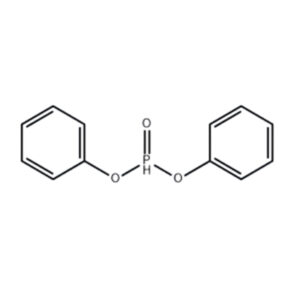
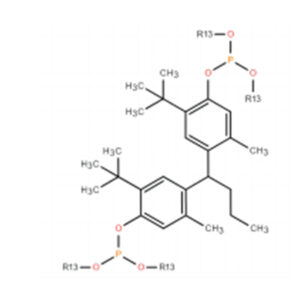
CLUMIAO® PDP CAS 80584-86-7

Poli (dipropilenglicole) fenilfosfito

N. CAS : 80584-86-7

Peso molecolare: ~2100

Istruzioni per l'applicazione

Antiossidante polimerico a base di esteri fosforici ad alto peso molecolare e ad alto contenuto di fosforo, adatto a polimeri multiuso, tra cui PVC, ABS, poliuretano, policarbonato e rivestimenti. Può migliorare la stabilità termica e la stabilità a lungo termine dei prodotti durante la lavorazione e l'applicazione. Come antiossidante ausiliario e agente chelante, può essere utilizzato nei prodotti in PVC rigido o flessibile, consentendo al PVC di mantenere un colore più brillante e duraturo e migliorandone la stabilità termica. Applicato nei materiali poliuretanici, ha un significativo effetto inibitorio sull'ingiallimento fenolico e sull'ingiallimento NOX, migliorandone la stabilità termica e a lungo termine. Quantità di aggiunta consigliata: 0,1-2,0%

Descrizione

Indice di qualità

Aspetto del prodotto: Liquido incolore e trasparente
Cromaticità (Pt-Co) : ≤50
Densità (25℃, g/cm ³) : 1.130-1.250
Indice di rifrazione (a 25℃, η25): 1,5340-1,5380

Specifiche di imballaggio

Fusto di ferro da 200 kg

Applicazione

PVC, ABS, PU

Contattateci ora!

Se avete bisogno di Price, inserite i vostri dati di contatto nel modulo sottostante; di solito vi contatteremo entro 24 ore. Potete anche inviarmi un'e-mail info@changhongchemical.com durante l'orario di lavoro (dalle 8:30 alle 18:00 UTC+8 lun.-sab.) o utilizzare la live chat del sito web per ottenere una risposta immediata.


Fosfiti a bassa impurità
CHLUMIAO® DPOP CAS 15647-08-2 2-etilesil difenilfosfito
CLUMIAO® 8621 CAS 68123-00-2 Antiossidante 8621
CHLUMIAO® DPDP CAS 26544-23-0 Antiossidante DPDP
CHLUMIAO® PDDP CAS 25550-98-5 Antiossidante PDDP
CHLUMIAO® PDOP CAS 3164-60-1 Antiossidante PDOP
CHLUMIAO® TPP CAS 101-02-0 Antiossidante TPP
CHLUMIAO® Poli(diciclopentadiene-co-p-cresolo) CAS 68610-51-5 Poli(diciclopentadiene-co-p-cresolo)
CHLUMIAO® SEME CAS 42774-15-2 Semi antiossidanti / Omnistab LS 5519 / Stabilizzatore di luce 856
Antiossidanti fenolici inibiti
CHLUMIAO® 264 CAS 128-37-0 Antiossidante 264 / Idrossitoluene butilato
CHLUMIAO® 2,6-Di-terz-butilfenolo CAS 128-39-2 2,6-di-terz-butilfenolo
CHLUMIAO® 300 CAS 96-69-5 Irganox 300 / Antiossidante 300
CHLUMIAO® 2246 CAS 119-47-1 Irganox 2246 / BNX 2246
CHLUMIAO® 1222 CAS 976-56-7 Antiossidante 1222 / Irganox 1222
CHLUMIAO® 702 CAS 118-82-1 Irganox 702 / Antiossidante 702 / Ethanox 702
CHLUMIAO® DBHQ CAS 88-58-4 Antiossidante DTBHQ
CHLUMIAO® MTBHQ CAS 1948-33-0 2-terz-butilidrochinone聽 Grado industriale
CHLUMIAO® 1076 CAS 2082-79-3 Irganox 1076 / Antiossidante 1076
CHLUMIAO® 1010 CAS 6683-19-8 Irganox 1010 / Antiossidante 1010
CHLUMIAO® 1330 CAS 1709-70-2 Irganox 1330 / Ethanox 330
CHLUMIAO® 1520 CAS 110553-27-0 Irganox 1520 / Antiossidante 1520
Fosfiti liberi da fenoli Antiossidanti
CHLUMIAO® 8608 CAS 26544-27-4 Antiossidante AO DPD / Everaox 202
CHLUMIAO® 430 CAS 36788-39-3 Antiossidante 430 / WESTON 430
CLUMIAO® 8608T CAS 1334238-11-7, 69439-68-5 Antiossidante 8608T
CHLUMIAO® 8627 CAS 68610-62-8 Antiossidante 8627
CHLUMIAO® TDP CAS 25448-25-3 Antiossidante TDP
CHLUMIAO® TLP CAS 3076-63-9 Antiossidante TLP
CHLUMIAO® TOP CAS 301-13-3 Antiossidante TOP
CHLUMIAO® TTDP CAS 77745-66-5 Antiossidante TTDP
Esteri tiolici Antiossidanti
CHLUMIAO® DLTDP CAS 123-28-4 Dilauril tiodipropionato
CHLUMIAO® DSTDP CAS 693-36-7 istearil tiodipropionato/ Antiossidante DSTDP
Antiossidanti aminici
CHLUMIAO® 3114 CAS 27676-62-6 Irganox 3114 / Antiossidante 3114
CHLUMIAO® 4,4′-bifenolo CAS 92-88-6

4,4′-bifenolo

Disattivatori di metalli Antiossidanti
CHLUMIAO® 1098 CAS 23128-74-7 Irganox 1098 / Antiossidante 1098

Antioxidant PDP Application scenarios

1. Polyvinyl Chloride (PVC) Processing:

As an auxiliary antioxidant and chelating agent, it is suitable for rigid or flexible PVC. It inhibits thermal degradation and discoloration during processing, maintaining the bright and long-lasting color of products and improving thermal stability. It is especially suitable for PVC products with high requirements for color stability, such as pipes, profiles, and films.

2. ABS Resin Modification:

Used in ABS production and processing, it effectively prevents thermal oxidative degradation during high-temperature processing, reduces yellowing and mechanical property decline, improves the appearance and long-term stability of products, and is suitable for applications such as electronic casings and automotive interiors.

3. Polyurethane (PU) Material Protection:

It has a significant inhibitory effect on phenolic yellowing and NOₓ yellowing of polyurethane, while improving the thermal stability and long-term anti-aging properties of PU. It is widely used in polyurethane foams, elastomers, adhesives, coatings, etc., such as furniture foam, automotive seats, and sealants.

4. Polycarbonate (PC) Stabilization:

Used in combination with primary antioxidants, it can improve the thermal stability of PC during processing and use, inhibit hydrolysis and oxidative degradation, and extend product life. Suitable for products requiring high transparency and stability, such as optical lenses and electronic appliance housings.

5. Coatings and Adhesives Industry:

Added to various coatings and adhesives systems, it can enhance the weather resistance and heat resistance of coatings and adhesive layers, prevent oxidative yellowing and chalking during storage and use, and improve product durability. Suitable for automotive coatings, industrial anti-corrosion coatings, and structural adhesives.

6. Other Polymer Processing:

It can also be used in various polymer materials such as polyester, polystyrene (PS), and polyamide (PA) as an auxiliary antioxidant and heat stabilizer, improving processing performance and extending product life. Suitable for textile fibers, engineering plastics, and other fields.

7. Synergistic Stabilizing System:

When used in combination with hindered phenolic main antioxidants and ultraviolet absorbers, it can produce a synergistic effect, significantly improving the overall anti-aging effect. The addition amount can be adjusted according to different polymer systems, and the recommended addition amount is generally 0.1% – 2.0%.

Contatto

Italian