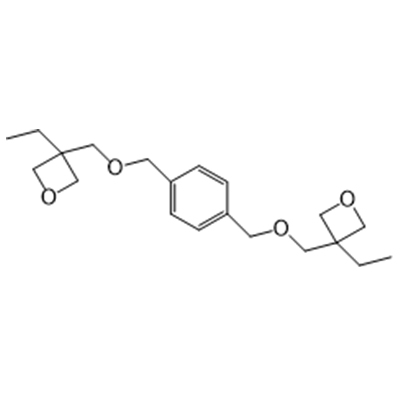
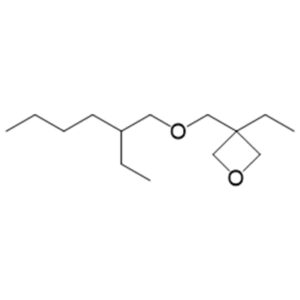
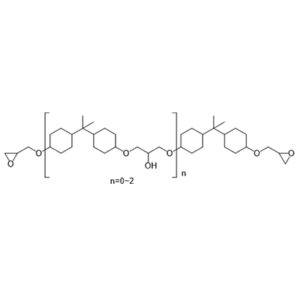
1. Kationische UV/Thermisch härtende Beschichtungen:
Als vernetzendes Monomer oder reaktives Verdünnungsmittel in kationischen UV-/thermisch härtenden Beschichtungssystemen verringert es die Viskosität und erhöht die Vernetzungsdichte des gehärteten Produkts. Die ausgehärtete Beschichtung weist eine ausgezeichnete chemische Beständigkeit, Witterungsbeständigkeit und Haftung auf und eignet sich daher für den industriellen Schutz und die Dekoration von Substraten wie Metallen, Kunststoffen und Holz, insbesondere für Beschichtungen, die eine hohe Witterungsbeständigkeit und geringe Vergilbung erfordern.
2. Elektronische Materialien und Leiterplattenherstellung:
Das ausgehärtete Material, das in Lötmaskentinten für Leiterplatten, Verkapselungsmaterialien für elektronische Bauteile und Isolierbeschichtungen verwendet wird, weist stabile dielektrische Eigenschaften, eine hervorragende Isolierung und Beständigkeit gegen Feuchtigkeit und Hitze auf und gewährleistet den stabilen Betrieb elektronischer Geräte unter komplexen Arbeitsbedingungen. Es eignet sich für mikroelektronische Verpackungen und die Präzisionsbearbeitung von Leiterplatten.
3. Vorbereitung des optischen Materials:
In Bereichen wie optischen Filmen und optischen Klebstoffen reduziert es die Schrumpfung des Aushärtungsvolumens, verbessert die Dimensionsstabilität und die Lichtdurchlässigkeit optischer Komponenten und erfüllt die Anforderungen an hohe Präzision und Transparenz von optischen Linsen und Anzeigegeräten.
4. Photoresists und mikroelektronische Verarbeitung:
Als Vernetzungskomponente oder Harzmatrix für Fotolacke ist es mit i-line-, KrF- und anderen Fotolithografieverfahren kompatibel und erleichtert die Herstellung von hochauflösenden Mustern. Es eignet sich für die Präzisionsbearbeitung von Halbleiterchips und mikroelektronischen Geräten und verbessert die Integration und Zuverlässigkeit der Geräte.
5. Spezialklebstoffe und Dichtstoffe:
Es wird bei der Herstellung von kationisch härtenden Kleb- und Dichtstoffen verwendet und verbessert die Fließfähigkeit und Benetzbarkeit des Produkts, wodurch die Klebekraft und die Dichtwirkung auf Substraten wie Metallen, Keramik und technischen Kunststoffen erhöht werden. Es eignet sich für strukturelle Verklebungen und Abdichtungen in anspruchsvollen Industriebereichen wie der Luft- und Raumfahrt und der Automobilherstellung.
6. Verbundwerkstoff Matrixharze:
In Kombination mit Glasfasern, Kohlenstofffasern usw. wird es zur Herstellung von Hochleistungs-Verbundwerkstoffen verwendet und verbessert die mechanische Festigkeit, die Alterungsbeständigkeit und die Verarbeitungsfähigkeit der Materialien. Es eignet sich für die Herstellung von Strukturbauteilen in der Luft- und Raumfahrt, im Schienenverkehr und in anderen Bereichen mit hohen Anforderungen an die Leistungsfähigkeit des Materials.
7. Modifizierung und Synthese von Harzen:
Es kann als modifizierendes Monomer bei der Synthese und Modifizierung von Epoxidharzen, Polyesterharzen usw. verwendet werden, wodurch die Systemviskosität verringert und die Flexibilität, Witterungsbeständigkeit und chemische Beständigkeit des ausgehärteten Produkts verbessert wird. Es ist geeignet für die Entwicklung von Harzsystemen mit hohen Leistungsanforderungen.