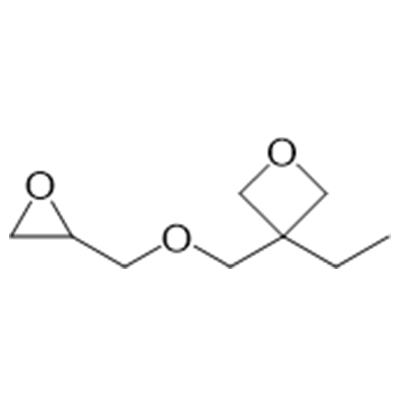
1. Cationic UV/Thermal Curing Coatings:
Used as a reactive diluent or crosslinking monomer in cationic UV/thermal curing coating systems, reducing viscosity and increasing crosslinking density. The cured coating exhibits excellent chemical resistance, adhesion, and weatherability, suitable for industrial protection and decoration of substrates such as metals, plastics, and wood, especially for coatings requiring high weather resistance and low yellowing.
2. Electronic Materials and Packaging:
Used in PCB solder mask inks, electronic component encapsulation materials, and insulating coatings. The cured material exhibits stable dielectric properties, excellent insulation, and resistance to humidity and heat, ensuring the stable operation of electronic devices under complex working conditions. Suitable for microelectronic packaging and precision processing of circuit boards.
3. Optical Material Preparation:
Applied in optical films, optical adhesives, and other fields, it reduces curing volume shrinkage, improves the dimensional stability and light transmittance of optical components, meeting the high precision and high transparency requirements of optical lenses and display devices.
4. Photoresists and Microelectronic Processing:
Used as a crosslinking component or resin matrix in photoresists, compatible with i-line, KrF, and other photolithography processes, facilitating the preparation of high-resolution patterns. Suitable for the precision processing of semiconductor chips and microelectronic devices, improving device integration and reliability.
5. Specialty Adhesives and Sealants:
Used in the preparation of cationic curing adhesives and sealants, improving product fluidity and wettability, and enhancing the bonding strength and sealing effect on substrates such as metals, ceramics, and engineering plastics. Suitable for structural bonding and sealing in high-end industrial fields such as aerospace and automotive manufacturing.
6. Composite Material Matrix Resins:
Combined with glass fibers, carbon fibers, and other materials to prepare high-performance composite materials, improving the mechanical strength, aging resistance, and processing fluidity of the materials. Suitable for the preparation of structural components with stringent requirements for overall material performance in aerospace and rail transit.
7. Resin Modification and Synthesis:
Used as a modifying monomer in the synthesis and modification of epoxy resins, polyester resins, etc., reducing system viscosity and improving the flexibility, weather resistance, and chemical resistance of the cured product. Suitable for the development of resin systems with high performance requirements.