
Description
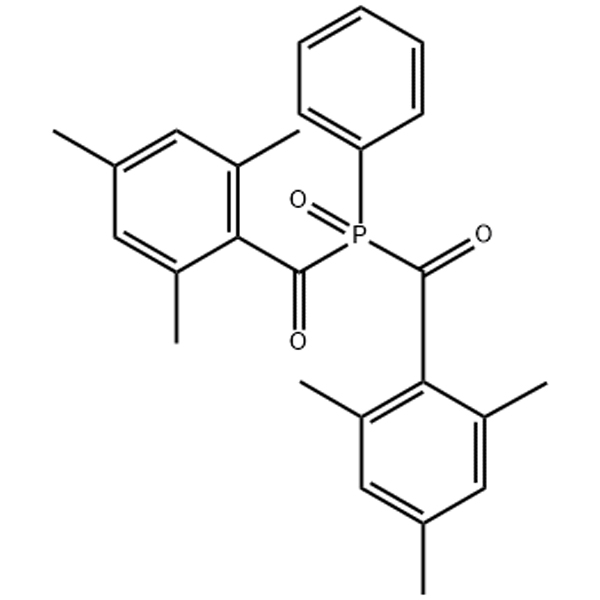
Photoinitiator 819 / Irgacure 819 / Omnirad 819 / Speedcure BPO CAS 162881-26-7
Chemical Name:Phenyl bis(2,4,6-trimethylbenzoyl)-phosphine oxide
Synonym: 819;Omnirad 808;Omnirad 819; 819;Photoinitiator BAPO;Speedcure BPO;CGI 819;Chivacure 789;GENOCURE BAPO;Photoinitiator 920; 920
Cas No.: 162881-26-7
Standard:
| Items | Specifications |
| Appearance | Pale yellow powder |
| Assay (HPLC) | ≥99.0% |
| Melting point | 129~133°C |
| Volatiles | ≤0.2% |
| Acid value(Mg KOH/g) | ≤0.2 |
| Ash | ≤0.1% |
Function & Applications:
In the early days, traditional curing methods were unable to cope with the complex material and process requirements. The emergence of UV light curing technology was like a ray of light in the darkness. The birth of photoinitiator 819 has given this technology a powerful impetus. Its unique properties have enabled UV light curing to break through many limitations and advance towards a wider range of applications.
The unique feature of photoinitiator 819 is its extraordinary “control” of light. It is like a master at precisely capturing light energy, with a strong ability to absorb long-wave ultraviolet light (such as 365 nm and 405 nm) and some visible light. This ability is not simply a physical phenomenon, but has a profound chemical rationale behind it. This special ability to absorb light makes photoinitiator 819 work wonders in thicker coatings or deep areas, achieving excellent curing results.
In practical applications in the field of UV light curing, photoinitiator 819 has performed amazingly.
Let’s look at the field of light curing of thick film coatings. While traditional photoinitiators often “run out of steam” when faced with thick coatings and thick film curing applications, 819 comes forward like a superhero. Its amazingly high absorption efficiency and excellent deep penetration are its magic weapons. Take thick film coatings on wood, plastic and metal surfaces, for example. Achieving even curing on these materials is a real challenge. However, 819 can handle it with ease. It penetrates deep into the coating, promoting simultaneous curing of the inner layers and the surface, and achieving even curing results. This is like building a tall building. It not only ensures that the facade is strong and beautiful, but also that the internal structure is equally solid and stable, ensuring the quality of the entire building.
Photocure 819 also has a unique advantage when it comes to opaque or colored coatings. Here, the absorption and utilization of visible light is key. 819’s absorption capacity in the visible light range is like opening a new door. Take colored inks and opaque coatings as examples. These materials often interfere with the effect of photoinitiators, but 819 can still initiate the polymerization reaction in such a complex environment and achieve good curing results. It is like a ship navigating through a fog, using special navigation equipment (the visible light absorption ability of 819) to find the right direction and successfully reach its destination (curing).
Photoinitiator 819 also shines in the application of UV adhesives. UV-curing adhesives play an important role in modern industry and life in general for bonding glass, ceramics, plastics and metals. 819 is the glue’s “smart brain”, enabling it to cure quickly under UV light and with amazing yellowing resistance. This is crucial for bonding applications that require long-term aesthetics and transparency. For example, in the assembly of high-end electronic products, the bonding of glass screens to plastic bezels or metal parts using UV adhesives containing 819 not only ensures a strong bond, but also maintains transparency after long-term use, without affecting the appearance and performance of the product due to yellowing. It is as if the bond has been given eternal youth.
Photoinitiator 819 also demonstrates its unparalleled value in the field of 3D printing photoresin. In this field full of innovation and challenges, high-precision printing results are the goal. 819’s initiation efficiency and deep curing ability are like the “secret weapon” of 3D printing. Especially when dealing with printing tasks that are thicker or have complex structures, it can quickly take effect and achieve rapid curing. This is like a skilled sculptor, when shaping complex works of art, 819 can help resin materials to quickly take shape, and ensure that every detail is accurate, promoting the wide application of 3D printing technology in industrial design, medical model manufacturing and other fields.
Photoinitiator 819 also performs excellently in LED curing applications. As technology develops, low-energy LED curing equipment is gradually becoming the mainstream. 819’s characteristic of being able to effectively absorb long-wave UV and some visible light makes it a perfect match for LED light sources such as 365nm or 405nm LEDs. This good compatibility is like two tacit partners, working together to contribute to a low-energy, high-efficiency curing system. Today, when environmental protection and energy conservation are becoming increasingly important, the advantages of 819 in LED curing applications are particularly prominent, providing strong support for green manufacturing.
In addition, photoinitiator 819 has a clever application strategy, which is to be used in combination with other initiators (such as 184, TPO, etc.). It’s like forming a super team, where each member has its own specialty and they collaborate and complement each other. By using this mixture, the curing speed and material properties can be optimized, thus taking photocuring to a new level. Behind this is the complex principle of chemical synergy. The ratio and interaction between them is like a mysterious formula, which brings more possibilities to UV light curing technology.
Reference dosage:
| ▶Clear acrylic and unsaturated polyester/styrene coatings |
| 0.1- 0.2% 819 + 1-2% 184 |
| ▶White acrylic and unsaturated polyester/styrene coatings |
| 0.5-1% 819 + 1-2% 184 |
| ▶Colored acrylic formulations |
| 0.5-1% 819 + 1-2% 184 |
| ▶White screen printing inks |
| 0.5-1.5% 819 + 1-2% 184 |
| ▶Fiberglass reinforced unsaturated polyester/styrene prepregs |
| 0.1- 0.2% 819 |
Packaging and Shipping:
Packing:20kg/carton box.
Delivery:with in 5-7 working days.
Storage:
Stored in a cool dry place out of direct sunlight.
Contact Us Now!
If you need Price, please fill in your contact information in the form below, we will usually contact you within 24 hours. You could also email me info@changhongchemical.com during working hours ( 8:30 am to 6:00 pm UTC+8 Mon.~Sat. ) or use the website live chat to get prompt reply.
| CHLUMINIT®TCDM | Photoinitiator TCDM | CAS 100486-97-3 |
| CHLUMINIT®PASA | Photoinitiator PASA | CAS 71512-90-8 |
| CHLUMINIT®PAC-TPPA | Photoinitiator PAC-TPPA | CAS 137902-98-8 |
| CHLUMINIT®P198 | Photoinitiator P198 | CAS 925246-00-0 |
| CHLUMINIT®BCIM | Photoinitiator BCIM | CAS 7189-82-4 |
| CHLUMINIT®820 | 2,2′-Bis(trifluoromethyl)benzidine | Supplier | CAS 60665-88-0 |
| CHLUMINIT®6992 | Photoinitiator 6992 | CAS 61856-13-8 |
| CHLUMINIT®6976L | Photoinitiator 6976L | CAS 71449-78-0 (monomer) and 89452-37-9 (dimer) |
| CHLUMINIT®6976 | Photoinitiator 6976 | CAS 71449-78-0 |
| CHLUMINIT®4HBP | Photoinitiator 4HBP | CAS 31127-54-5 |
| CHLUMINIT®4215 | Photoinitiator 4215 | CAS 107761-81-9 |
| CHLUMINIT®3HBP | Photoinitiator 3HBP | CAS 1143-72-2 |
| CHLUMINIT®3215 | Photoinitiator 3215 | CAS 68510-93-0 |
| CHLUMINIT®2959 | Photoinitiator 2959 | CAS 106797-53-9 |
| CHLUMINIT®215S | Photoinitiator 215S | CAS 2657-00-3 |
| CHLUMINIT®2074 | Photoinitiator 2074 | CAS 178233-72-2 |
| CHLUMINIT®127 | Photoinitiator 127 | CAS 474510-57-1 |
| CHLUMINIT®1212 | Photoinitiator 1212 | CAS 86428-83-3 |
| CHLUMINIT® TMO | Photoinitiator TMO | CAS 270586-78-2 |
| CHLUMINIT® MBZ | Photoinitiator MBZ | CAS 134-84-9 |
| CHLUMINIT® DMBI | Photoinitiator DMBI | CAS 21245-01-2 |
| CHLUMINIT® Diazo-22S | Photoinitiator Diazo-22S | CAS 41432-19-3 |
| CHLUMINIT® Diazo-11 | Photoinitiator Diazo-11 | CAS 4477-28-5 |
| CHLUMINIT® DBA | Photoinitiator DBA | CAS 76275-14-4 |
| CHLUMINIT® CH-triazine D | Photoinitiator CH-triazine D | CAS 42573-57-9 |
| CHLUMINIT® CH-SS286 | Photoinitiator CH-SS286 | CAS 347841-51-4 |
| CHLUMINIT® CH-SS282 | Photoinitiator CH-SS282 | CAS 425670-97-9 |
| CHLUMINIT® CH-SS281 | Photoinitiator CH-SS281 | CAS 227199-92-0 |
| CHLUMINIT® CH-PAG-2 | Photoinitiator CH-PAG-2 | CAS 2270831-00-8 |
| CHLUMINIT® CH-IS227 | Photoinitiator CH-IS227 | CAS 229325-98-8 |
| CHLUMINIT® CH-IS225 | Photoinitiator CH-IS225 | CAS 61358-23-4 |
| CHLUMINIT® CH-IS224 | Photoinitiator CH-IS224 | CAS 460731-32-2 |
| CHLUMINIT® CH-IS223 | Photoinitiator CH-IS223 | CAS 198641-40-6 |
| CHLUMINIT® CH-IS222 | Photoinitiator CH-IS222 | CAS 131725-16-1 |
| CHLUMINIT® 9388 | Photoinitiator 9388 | |
| CHLUMINIT® 752 | Photoinitiator 752 | |
| CHLUMINIT® 250 | Photoinitiator 250 | |
| CHLUMINIT® 215C | Photoinitiator 215C | CAS 3770-97-6 |
| CHLUMINIT® 2022 | Photoinitiator 2022 | |
| CHLUMINIT® 1211 | Photoinitiator 1211 | CAS 34701-98-9 |
| CHLUMINIT® CH-IS221 | Photoinitiator CH-IS221 | CAS 193345-23-2 |
| CHLUMINIT®CH-SS056 | Photoinitiator CH-SS056 | CAS 75482-18-7 |
| CHLUMINIT®202S | Photoinitiator 202S | CAS 74227-35-3 |
| CHLUMINIT® Photoinitiator 1176 | Photoinitiator 1176 | CAS 89452-37-9 |
| CHLUMINIT® PBZ | Photoinitiator PBZ / Omnirad 4pbz / Genocure PBZ / Speedcure PBZ | CAS 2128-93-0 |
| CHLUMINIT® OXE-02 | Photoinitiator OXE-02 | CAS 478556-66-0 |
| CHLUMINIT® OMBB | Photoinitiator OMBB / Speedcure MBB | CAS 606-28-0 |
| CHLUMINIT® MBP | Photoinitiator MBP | CAS 134-84-9 |
| CHLUMINIT® LAP | Photoinitiator LAP / Lithium phenyl-2,4,6-trimethylbenzoylphosphinate | CAS 85073-19-4 |
| CHLUMINIT® EMK | Photoinitiator EMK / Omnirad EMK / Speedcure EMK | CAS 90-93-7 |
| CHLUMINIT® EHA | Photoinitiator EHA / Omnirad EHA / Speedcure EHA | CAS 21245-02-3 |
| CHLUMINIT® EDP | Photoinitiator EDB / Omnirad EDB / Speedcure EDAB | CAS 10287-53-3 |
| CHLUMINIT® CH-SS992 | Photoinitiator CH-SS992 | CAS 75482-18-7 & 74227-35-3 |
| CHLUMINIT® CH-SS976 | Photoinitiator CH-SS976 | CAS 71449-78-0 & 89452-37-9 |
| CHLUMINIT® CH-SS066 | Photoinitiator CH-SS066 | CAS 591773-90-9 |
| CHLUMINIT® CH-SS059 | Photoinitiator CH-SS059 | CAS 71449-78-0 & 89452-37-9 |
| CHLUMINIT® CH-IS054 | Photoinitiator CH-IS054 | CAS 61358-25-6 |
| CHLUMINIT® CH-IS053 | Photoinitiator CH-IS053 | CAS 121239-75-6 |
| CHLUMINIT® CH-IS052 | Photoinitiator CH-IS052 | CAS 71786-70-4 |
| CHLUMINIT® CH-IS051 | Photoinitiator CH-IS051 | CAS 344562-80-7 |
| CHLUMINIT® CH-262 | Photoinitiator CH-262 | CAS 100011-37-8 |
| CHLUMINIT® CBP | Photoinitiator CBP | CAS 134-85-0 |
| CHLUMINIT® 938 | Photoinitiator 938 / Speedcure 938 | CAS 61358-25-6 |
| CHLuminit® 6993 | Photoinitiator 6993 | CAS 71449-78-0 & 89452-37-9 |
| CHLUMINIT® 6976 | Photoinitiator 6976 | CAS 71449-78-0 89452-37-9 108-32-7 |
| CHLUMINIT® 550 | Omnicat 550 | CAS 591773-92-1 |
| CHLUMINIT® 397 | Photoinitiator 379 / irgacure 379 / Omnirad 379 | CAS 119344-86-4 |
| CHLUMINIT® 369 | Photoinitiator 369 / irgacure 369 / Omnirad 369 | CAS 119313-12-1 |
| CHLUMINIT® 30408 | Photoinitiator 30408 | CAS 178233-72-2 |
| CHLUMINIT® 30301P | Photoinitiator 30301P | CAS 344562-80-7, 108-32-7 |
| CHLUMINIT® 30201P | Photoinitiator 30201P | CAS 61358-25-6, 108-32-7 |
| CHLUMINIT® 30201 | Photoinitiator 30201P | CAS 61358-25-6 |
| CHLUMINIT® 30101 | Photoinitiator 30101 | CAS 60565-88-0 |
| CHLUMINIT® 261 | Photoinitiator 261 | CAS 32760-80-8 |
| CHLUMINIT® 202 | Photoinitiator 202 | CAS 75482-18-7, 74227-35-3, 108-32-7 |
| CHLUMINIT® 202 | Photoinitiator 202 | CAS 68156-13-8 |
| CHLUMINIT® 201S | Photoinitiator 201S | CAS 89452-37-9, 71449-78-0 |
| CHLUMINIT® 20108 | Photoinitiator 20108 | CAS 203573-06-2 |
| CHLUMINIT® 20102P | Photoinitiator 20102P | CAS 71449-78-0, 108-32-7 |
| CHLUMINIT® 201 | Photoinitiator 201 | CAS 89452-37-9, 71449-78-0, 108-32-7 |
| CHLUMINIT® 1173 | Photoinitiator 1173 / irgacure 1173 / Omnirad 1173 | CAS 7473-98-5 |
| CHLUMINIT® 1206 | Photoinitiator 1206 | |
| CHLuminit® 160 | Photoinitiator 160 / ESACURE KIP 160 | CAS 71868-15-0 |
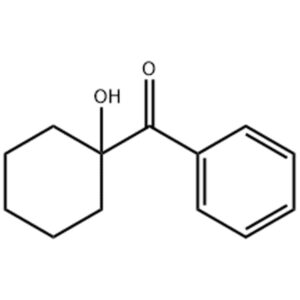
| CHLUMINIT® 184 | Photoinitiator 184 / irgacure 184 / Omnirad 184 | CAS 947-19-3 |
| CHLUMINIT® 250 | Photoinitiator 250 | CAS 344562-80-7 108-32-7 |
| CHLUMINIT® 754 | Photoinitiator 754 | CAS 211510-16-6 442536-99-4 |
| CHLUMINIT® 784 | Photoinitiator 784 / Omnirad784 | CAS 125051-32-3 |
| CHLUMINIT® 819 | Photoinitiator 819 / Irgacure 819 / Omnirad 819 / Speedcure BPO | CAS 162881-26-7 |
| CHLUMINIT® 819DW | Photoinitiator 819 DW / Omnirad 819 DW | CAS 162881-26-7 |
| CHLUMINIT® 907 | Photoinitiator 819 DW / Omnirad 819 DW | CAS 71868-10-5 |
| CHLUMINIT® BDK | Photoinitiator BDK / irgacure BDK / Omnirad BDK | CAS 24650-42-8 |
| CHLUMINIT® BMS | Photoinitiator BMS / SPEEDCURE BMS | CAS 83846-85-9 |
| CHLuminit® BP | Photoinitiator BP / Benzophenone | CAS 119-61-9 |
| CHLuminit® DETX | Photoinitiator DETX / Omnirad DETX / Speedcure DETX | CAS 82799-44-8 |
| CHLUMINIT® MPBZ(6012) | Photoinitiator MPBZ (6012) | CAS 86428-83-3 |
| CHLUMINIT® OXE-01 | Photoinitiator OXE-01 | CAS 253585-83-0 |
| CHLUMINIT® PD-01 | Photoinitiator PD-01 | CAS 579-07-7 |
| CHLUMINIT® Photoinitiator ITX | Photoinitiator ITX / 2-Isopropylthioxanthone | CAS 5495-84-1 |
| CHLUMINIT® TPO | Photoinitiator TPO / Irgacure TPO / SpeedCure TPO / Omnirad TPO | CAS 75980-60-8 |
| CHLUMINIT® TPO-L | Photoinitiator TPO-L / irgacure TPO-L | CAS 84434-11-7 |
| Photoinitiator CQ | Photoinitiator CQ/Camphorquinone | CAS 10373-78-1 |
| Photoinitiator DEAP | Photoinitiator DEAP |


Reviews
There are no reviews yet.