

Description
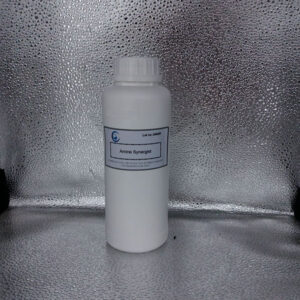
Photoinitiator 184 / irgacure 184 / Omnirad 184 CAS 947-19-3
Chemical Name: 1-Hydroxycyclohexyl phenyl ketone
Synonym: 184;Omnirad 184;Photoinitiator CPK;DOUBLECURE 184;Speedcure 184
CAS No.: 947-19-3
MF: C13H16O2
Standard
| Item | Specifications |
| Appearance | Whitecrystalline |
| Assay | ≥99.0% |
| Melting Point | 46.0~50.0℃ |
| Loss on Drying | ≤0.1% |
| Ash | ≤0.2% |
| Color | ≤50 hazen |
Usage:
Irgacure 184 is a free radical type I photoinitiator. This small molecule plays a vital role in the grand arena of light curing. Like a skilled craftsman, it performs unique magic in the wonderful world of UV light.
A review of the development of light curing technology is a magnificent epic intertwined with human ingenuity and technology. In the early days, people in the field of material surface treatment and processing were always looking for more efficient and higher quality methods. Traditional processes were limited in many ways, and the advent of UV light curing technology was like a ray of light, bringing unprecedented possibilities. Irgacure 184 also entered the historical stage and became one of the key factors driving the development of this technology.
The magic of Irgacure 184 lies in its extremely high absorption efficiency for UV light. When exposed to UV light with a wavelength of around 365 nm, it acts like a precise energy catcher, greedily absorbing light energy and producing free radicals. These free radicals are like energetic little particles that quickly trigger the polymerization reaction. This ability makes it perfect for low to medium-thickness coatings, inks and glues, where it achieves rapid curing, as if giving these materials the magical power of instant solidification.
Irgacure 184 excels in many UV-curing applications.
It is extremely versatile in the field of light-curing coatings. Irgacure 184 excels whether it is used on the rustic textured surface of wood, the hard textured surface of metal or the smooth surface finish of plastic. Take furniture manufacturing, for example, where the surface of the wood needs to be coated with a protective and decorative layer. Using UV-curing coatings containing Irgacure 184, the coating cures quickly under UV light. This not only increases the hardness of the coating, making the furniture more resistant to scratches during daily use, like a strong armor, but also greatly enhances its wear resistance. At the same time, it decomposes quickly and does not cause yellowing problems. For coatings that require high transparency, such as the glass surface coatings of high-end display cabinets, it ensures that the coating remains clear and transparent, maintaining the perfect display effect of the exhibits.
Irgacure 184 is also indispensable for UV-curable inks. It is an excellent commander that leads the curing process of inks, especially in ink systems with lighter colors such as transparent and white. Take high-quality printed products as an example, such as exquisite art albums or high-end cosmetic label printing. The advantages of UV-curable inks containing Irgacure 184 in terms of curing speed and efficiency are fully demonstrated. The ink dries quickly and cures quickly, with greatly enhanced adhesion, so that it does not easily peel off the printed material. Furthermore, the improved abrasion and water resistance ensures that the printed matter retains its bright colors and clear patterns for a long time, even after being used or exposed to moisture, as if a durable protective film has been applied to the printed content.
Irgacure 184 has unique advantages for UV adhesives. It is the undisputed star in the field of bonding transparent materials. Imagine the bonding of glass lenses in the production of high-end optical devices, which requires extremely high precision and transparency. UV adhesives containing Irgacure 184 cure quickly under UV light, and after curing, they do not yellow and have extremely high transparency. It is like building an invisible but strong bridge between the lenses, ensuring that the optical properties of the optical device are not affected and providing a strong guarantee for accurate optical imaging.
Irgacure 184 also shows great strength in the field of 3D printing photoresins. It can be used as one of the main initiators for 3D printing photoresins, especially for those printing parts that require fine structures and high transparency. For example, in medical model printing, for some human organ models that need to observe the internal structure, high transparency and fine detail reproduction are essential. Irgacure 184’s efficient curing properties can greatly shorten the curing time, making the printing process more efficient. At the same time, it ensures that the details of the printed product are perfectly reproduced, with every tiny blood vessel or tissue texture clearly visible, providing an accurate model for medical diagnosis and teaching.
Irgacure 184 is also irreplaceable in the field of electronic material coatings. Its low yellowing and low odor properties are particularly important in applications such as optical fiber coatings and protective films for electronic components. Optical fibers are a key component of modern communications, and their coatings need to ensure that the optical properties of the fibers are not affected. The use of Irgacure 184 allows the optical fiber coating to maintain transparency while improving stability, ensuring the stable transmission of optical signals in the optical fiber. For the protective film of electronic components, it not only protects the components from the external environment, but also does not affect the performance of electronic equipment due to odor or yellowing, providing a guarantee for the stable operation of electronic equipment.
It is worth mentioning that the photoinitiator Irgacure 184 is often used in combination with other initiators, such as TPO or 1173. It is like a wonderful ensemble, each initiator has its own unique tone. They work together to optimize the curing speed and physical properties of the product. There are complex chemical principles at work behind this mixture. The synergistic effect of the different initiators can compensate for each other’s shortcomings and exert a stronger curing ability, just like creating a universal key that can open the door to more types of light-curing material applications.
Let’s make a new hypothesis: if in the future the manufacture of virtual reality (VR) and augmented reality (AR) devices requires the light-curing treatment of some special optical lenses and display materials, will Irgacure 184 be able to play a greater role? These devices have extremely high requirements for material transparency, refractive index and optical stability. Irgacure 184’s low yellowing and high transparency properties may be able to meet these demanding conditions through further improvement and combination with new initiators. This may lead to new breakthroughs in the performance of VR and AR devices, such as improving display clarity and reducing image distortion, thereby providing users with a more immersive experience and promoting the development of this cutting-edge technology.
Package: 20kg/carton.
Storage:
Being kept in dry, clean warehouse with well ventilation.
Avoid exposing to light and heating.
Protecting the product from leakage, rain and insolation during transportation.
Contact Us Now!
If you need Price, please fill in your contact information in the form below, we will usually contact you within 24 hours. You could also email me info@changhongchemical.com during working hours ( 8:30 am to 6:00 pm UTC+8 Mon.~Sat. ) or use the website live chat to get prompt reply.
| CHLUMINIT®TCDM | Photoinitiator TCDM | CAS 100486-97-3 |
| CHLUMINIT®PASA | Photoinitiator PASA | CAS 71512-90-8 |
| CHLUMINIT®PAC-TPPA | Photoinitiator PAC-TPPA | CAS 137902-98-8 |
| CHLUMINIT®P198 | Photoinitiator P198 | CAS 925246-00-0 |
| CHLUMINIT®BCIM | Photoinitiator BCIM | CAS 7189-82-4 |
| CHLUMINIT®820 | 2,2′-Bis(trifluoromethyl)benzidine | Supplier | CAS 60665-88-0 |
| CHLUMINIT®6992 | Photoinitiator 6992 | CAS 61856-13-8 |
| CHLUMINIT®6976L | Photoinitiator 6976L | CAS 71449-78-0 (monomer) and 89452-37-9 (dimer) |
| CHLUMINIT®6976 | Photoinitiator 6976 | CAS 71449-78-0 |
| CHLUMINIT®4HBP | Photoinitiator 4HBP | CAS 31127-54-5 |
| CHLUMINIT®4215 | Photoinitiator 4215 | CAS 107761-81-9 |
| CHLUMINIT®3HBP | Photoinitiator 3HBP | CAS 1143-72-2 |
| CHLUMINIT®3215 | Photoinitiator 3215 | CAS 68510-93-0 |
| CHLUMINIT®2959 | Photoinitiator 2959 | CAS 106797-53-9 |
| CHLUMINIT®215S | Photoinitiator 215S | CAS 2657-00-3 |
| CHLUMINIT®2074 | Photoinitiator 2074 | CAS 178233-72-2 |
| CHLUMINIT®127 | Photoinitiator 127 | CAS 474510-57-1 |
| CHLUMINIT®1212 | Photoinitiator 1212 | CAS 86428-83-3 |
| CHLUMINIT® TMO | Photoinitiator TMO | CAS 270586-78-2 |
| CHLUMINIT® MBZ | Photoinitiator MBZ | CAS 134-84-9 |
| CHLUMINIT® DMBI | Photoinitiator DMBI | CAS 21245-01-2 |
| CHLUMINIT® Diazo-22S | Photoinitiator Diazo-22S | CAS 41432-19-3 |
| CHLUMINIT® Diazo-11 | Photoinitiator Diazo-11 | CAS 4477-28-5 |
| CHLUMINIT® DBA | Photoinitiator DBA | CAS 76275-14-4 |
| CHLUMINIT® CH-triazine D | Photoinitiator CH-triazine D | CAS 42573-57-9 |
| CHLUMINIT® CH-SS286 | Photoinitiator CH-SS286 | CAS 347841-51-4 |
| CHLUMINIT® CH-SS282 | Photoinitiator CH-SS282 | CAS 425670-97-9 |
| CHLUMINIT® CH-SS281 | Photoinitiator CH-SS281 | CAS 227199-92-0 |
| CHLUMINIT® CH-PAG-2 | Photoinitiator CH-PAG-2 | CAS 2270831-00-8 |
| CHLUMINIT® CH-IS227 | Photoinitiator CH-IS227 | CAS 229325-98-8 |
| CHLUMINIT® CH-IS225 | Photoinitiator CH-IS225 | CAS 61358-23-4 |
| CHLUMINIT® CH-IS224 | Photoinitiator CH-IS224 | CAS 460731-32-2 |
| CHLUMINIT® CH-IS223 | Photoinitiator CH-IS223 | CAS 198641-40-6 |
| CHLUMINIT® CH-IS222 | Photoinitiator CH-IS222 | CAS 131725-16-1 |
| CHLUMINIT® 9388 | Photoinitiator 9388 | |
| CHLUMINIT® 752 | Photoinitiator 752 | |
| CHLUMINIT® 250 | Photoinitiator 250 | |
| CHLUMINIT® 215C | Photoinitiator 215C | CAS 3770-97-6 |
| CHLUMINIT® 2022 | Photoinitiator 2022 | |
| CHLUMINIT® 1211 | Photoinitiator 1211 | CAS 34701-98-9 |
| CHLUMINIT® CH-IS221 | Photoinitiator CH-IS221 | CAS 193345-23-2 |
| CHLUMINIT®CH-SS056 | Photoinitiator CH-SS056 | CAS 75482-18-7 |
| CHLUMINIT®202S | Photoinitiator 202S | CAS 74227-35-3 |
| CHLUMINIT® Photoinitiator 1176 | Photoinitiator 1176 | CAS 89452-37-9 |
| CHLUMINIT® PBZ | Photoinitiator PBZ / Omnirad 4pbz / Genocure PBZ / Speedcure PBZ | CAS 2128-93-0 |
| CHLUMINIT® OXE-02 | Photoinitiator OXE-02 | CAS 478556-66-0 |
| CHLUMINIT® OMBB | Photoinitiator OMBB / Speedcure MBB | CAS 606-28-0 |
| CHLUMINIT® MBP | Photoinitiator MBP | CAS 134-84-9 |
| CHLUMINIT® LAP | Photoinitiator LAP / Lithium phenyl-2,4,6-trimethylbenzoylphosphinate | CAS 85073-19-4 |
| CHLUMINIT® EMK | Photoinitiator EMK / Omnirad EMK / Speedcure EMK | CAS 90-93-7 |
| CHLUMINIT® EHA | Photoinitiator EHA / Omnirad EHA / Speedcure EHA | CAS 21245-02-3 |
| CHLUMINIT® EDP | Photoinitiator EDB / Omnirad EDB / Speedcure EDAB | CAS 10287-53-3 |
| CHLUMINIT® CH-SS992 | Photoinitiator CH-SS992 | CAS 75482-18-7 & 74227-35-3 |
| CHLUMINIT® CH-SS976 | Photoinitiator CH-SS976 | CAS 71449-78-0 & 89452-37-9 |
| CHLUMINIT® CH-SS066 | Photoinitiator CH-SS066 | CAS 591773-90-9 |
| CHLUMINIT® CH-SS059 | Photoinitiator CH-SS059 | CAS 71449-78-0 & 89452-37-9 |
| CHLUMINIT® CH-IS054 | Photoinitiator CH-IS054 | CAS 61358-25-6 |
| CHLUMINIT® CH-IS053 | Photoinitiator CH-IS053 | CAS 121239-75-6 |
| CHLUMINIT® CH-IS052 | Photoinitiator CH-IS052 | CAS 71786-70-4 |
| CHLUMINIT® CH-IS051 | Photoinitiator CH-IS051 | CAS 344562-80-7 |
| CHLUMINIT® CH-262 | Photoinitiator CH-262 | CAS 100011-37-8 |
| CHLUMINIT® CBP | Photoinitiator CBP | CAS 134-85-0 |
| CHLUMINIT® 938 | Photoinitiator 938 / Speedcure 938 | CAS 61358-25-6 |
| CHLuminit® 6993 | Photoinitiator 6993 | CAS 71449-78-0 & 89452-37-9 |
| CHLUMINIT® 6976 | Photoinitiator 6976 | CAS 71449-78-0 89452-37-9 108-32-7 |
| CHLUMINIT® 550 | Omnicat 550 | CAS 591773-92-1 |
| CHLUMINIT® 397 | Photoinitiator 379 / irgacure 379 / Omnirad 379 | CAS 119344-86-4 |
| CHLUMINIT® 369 | Photoinitiator 369 / irgacure 369 / Omnirad 369 | CAS 119313-12-1 |
| CHLUMINIT® 30408 | Photoinitiator 30408 | CAS 178233-72-2 |
| CHLUMINIT® 30301P | Photoinitiator 30301P | CAS 344562-80-7, 108-32-7 |
| CHLUMINIT® 30201P | Photoinitiator 30201P | CAS 61358-25-6, 108-32-7 |
| CHLUMINIT® 30201 | Photoinitiator 30201P | CAS 61358-25-6 |
| CHLUMINIT® 30101 | Photoinitiator 30101 | CAS 60565-88-0 |
| CHLUMINIT® 261 | Photoinitiator 261 | CAS 32760-80-8 |
| CHLUMINIT® 202 | Photoinitiator 202 | CAS 75482-18-7, 74227-35-3, 108-32-7 |
| CHLUMINIT® 202 | Photoinitiator 202 | CAS 68156-13-8 |
| CHLUMINIT® 201S | Photoinitiator 201S | CAS 89452-37-9, 71449-78-0 |
| CHLUMINIT® 20108 | Photoinitiator 20108 | CAS 203573-06-2 |
| CHLUMINIT® 20102P | Photoinitiator 20102P | CAS 71449-78-0, 108-32-7 |
| CHLUMINIT® 201 | Photoinitiator 201 | CAS 89452-37-9, 71449-78-0, 108-32-7 |
| CHLUMINIT® 1173 | Photoinitiator 1173 / irgacure 1173 / Omnirad 1173 | CAS 7473-98-5 |
| CHLUMINIT® 1206 | Photoinitiator 1206 | |
| CHLuminit® 160 | Photoinitiator 160 / ESACURE KIP 160 | CAS 71868-15-0 |
| CHLUMINIT® 184 | Photoinitiator 184 / irgacure 184 / Omnirad 184 | CAS 947-19-3 |
| CHLUMINIT® 250 | Photoinitiator 250 | CAS 344562-80-7 108-32-7 |
| CHLUMINIT® 754 | Photoinitiator 754 | CAS 211510-16-6 442536-99-4 |
| CHLUMINIT® 784 | Photoinitiator 784 / Omnirad784 | CAS 125051-32-3 |
| CHLUMINIT® 819 | Photoinitiator 819 / Irgacure 819 / Omnirad 819 / Speedcure BPO | CAS 162881-26-7 |
| CHLUMINIT® 819DW | Photoinitiator 819 DW / Omnirad 819 DW | CAS 162881-26-7 |
| CHLUMINIT® 907 | Photoinitiator 819 DW / Omnirad 819 DW | CAS 71868-10-5 |
| CHLUMINIT® BDK | Photoinitiator BDK / irgacure BDK / Omnirad BDK | CAS 24650-42-8 |
| CHLUMINIT® BMS | Photoinitiator BMS / SPEEDCURE BMS | CAS 83846-85-9 |
| CHLuminit® BP | Photoinitiator BP / Benzophenone | CAS 119-61-9 |
| CHLuminit® DETX | Photoinitiator DETX / Omnirad DETX / Speedcure DETX | CAS 82799-44-8 |
| CHLUMINIT® MPBZ(6012) | Photoinitiator MPBZ (6012) | CAS 86428-83-3 |
| CHLUMINIT® OXE-01 | Photoinitiator OXE-01 | CAS 253585-83-0 |
| CHLUMINIT® PD-01 | Photoinitiator PD-01 | CAS 579-07-7 |
| CHLUMINIT® Photoinitiator ITX | Photoinitiator ITX / 2-Isopropylthioxanthone | CAS 5495-84-1 |
| CHLUMINIT® TPO | Photoinitiator TPO / Irgacure TPO / SpeedCure TPO / Omnirad TPO | CAS 75980-60-8 |
| CHLUMINIT® TPO-L | Photoinitiator TPO-L / irgacure TPO-L | CAS 84434-11-7 |
| Photoinitiator CQ | Photoinitiator CQ/Camphorquinone | CAS 10373-78-1 |
| Photoinitiator DEAP | Photoinitiator DEAP |



Reviews
There are no reviews yet.