Description
| Appearance | Colorless to Light yellow clear liquid |
| Purity(GC) | min. 98.0 % |
| Flash point | 74 °C |
| Specific Gravity (20/20) | 0.95 |
Applications: Photoresist monomer
Packaging and Shipping:
Packing:drum
Delivery:with in 5-7 working days.
Storage:
Being kept in dry, clean warehouse with well ventilation.
Avoid exposing to light and heating.
Protecting the product from leakage, rain and insolation during transportation.
Contact Us Now!
If you need Price and Sample Testing, please fill in your contact information in the form below, we will usually contact you within 24 hours. You could also email me info@changhongchemical.com during working hours ( 8:30 am to 6:00 pm UTC+8 Mon.~Sat. ) or use the website live chat to get prompt reply.
| CHLUMICRYL® AAEM Monomer | CAS 21282-97-3 | Acetylacetoxyethyl methacrylate |
| CHLUMICRYL® ADAMA Monomer | CAS 16887-36-8 | 1-Adamantyl Methacrylate |
| CHLUMICRYL® AMA Monomer | CAS 96-05-9 | Allyl methacrylate |
| CHLUMICRYL® BDDMA | CAS 2082-81-7 | 1,4-Butanedioldimethacrylate |
| CHLUMICRYL® BDDMP Monomer | CAS 92140-97-1 | 1,4-Butanediol Di(3-mercaptopropionate) |
| CHLUMICRYL® Bis-GMA Monomer | CAS 1565-94-2 | Bisphenol A Glycidyl Methacrylate |
| CHLUMICRYL® BZA Monomer | CAS 2495-35-4 | benzyl prop-2-enoate |
| CHLUMICRYL® BZMA Monomer | CAS 2495-37-6 | Benzyl methacrylate |
| CHLUMICRYL® CHA Monomer | CAS 3066-71-5 | cyclohexyl prop-2-enoate |
| CHLUMICRYL® CHMA | CAS 101-43-9 | Cyclohexyl methacrylate |
| CHLUMICRYL® DCPA Monomer | CAS 12542-30-2 | Dihydrodicyclopentadienyl Acrylate |
| CHLUMICRYL® DCPEMA Monomer | CAS 68586-19-6 | Dicyclopentenyloxyethyl Methacrylate |
| CHLUMICRYL® DCPMA Monomer | CAS 30798-39-1 | Dihydrodicyclopentadienyl methacrylate |
| CHLUMICRYL® DEAEA Monomer | CAS 2426-54-2 | 2-(diethylamino)ethyl prop-2-enoate |
| CHLUMICRYL® DEAM Monomer | CAS 105-16-8 | Diethylaminoethyl methacrylate |
| CHLUMICRYL® DMAEA Monomer | CAS 2439-35-2 | Dimethylaminoethyl acrylate |
| CHLUMICRYL® DMAEMA | CAS 2867-47-2 | N,M-Dimethylaminoethyl methacrylate |
| CHLUMICRYL® DMES | CAS 3570-55-6 | 2,2′-Thiodiethanethiol/Bis(2-mercaptoethyl) sulfide/Dimercapto diethyl sulfide/THIOCURE DMDS/Polythiol DMDS/Mercaptan DMDS |
| CHLUMICRYL® DMPT | CAS 131538-00-6 | THIOCURE DMPT |
| CHLUMICRYL® ECPMA Monomer | CAS 266308-58-1 | 1-Ethylcyclopentyl Methacrylate |
| CHLUMICRYL® EEMA | CAS 2370-63-0 | 2-ethoxyethyl 2-methylprop-2-enoate |
| CHLUMICRYL® EGDMA Monomer | CAS 97-90-5 | Ethylene glycol dimethacrylate |
| CHLUMICRYL® EGDMP Monomer | CAS 22504-50-3 | Ethylene glycol Bis(3-mercaptopropionate) |
| CHLUMICRYL® EHMA | CAS 688-84-6 | 2-Ethylhexyl methacrylate |
| CHLUMICRYL® EMA Monomer | CAS 97-63-2 | Ethyl methacrylate |
| CHLUMICRYL® EO10-BPADA Monomer | CAS 64401-02-1 | ethoxylated bisphenol A diacrylate |
| CHLUMICRYL® EO4-BPADA Monomer | CAS 64401-02-1 | ethoxylated bisphenol A diacrylate |
| CHLUMICRYL® HDCPA Monomer | CAS 79637-74-4 | Dicyclopentenyl acrylate (hydrogenation) |
| CHLUMICRYL® IBA Monomer | CAS 106-63-8 | Isobutyl acrylate |
| CHLUMICRYL® i-BMA | CAS 97-86-9 | Isobutyl methacrylate |
| CHLUMICRYL® MCPMA Monomer | CAS 178889-45-7 | 1-Methylcyclopentyl Methacrylate |
| CHLUMICRYL® MEMA | CAS 6976-93-8 | 2-Methoxyethyl Methacrylate |
| CHLUMICRYL® MPEG Monomer | CAS 26915-72-0 | MPEG Monomer |
| CHLUMICRYL® Muscomer Tricyclodecanedimethanol | CAS 26896-48-0 | Muscomer Tricyclodecanedimethanol |
| CHLUMICRYL® N,N-Dimethyl Acrylamide | CAS 2680-03-7 | N,N-Dimethyl Acrylamide |
| CHLUMICRYL® n-BMA | CAS 97-88-1 | n-Butyl methacrylate |
| CHLUMICRYL® PETMP Monomer | CAS 7575-23-7 | PETMP Monomer |
| CHLUMICRYL® Polythiol PM839 | CAS 72244-98-5 | Polythiol PM839 |
| CHLUMICRYL® TBAEMA | CAS 3775-90-4 | 2-(Tert-butylamino)ethyl methacrylate |
| CHLUMICRYL® THFMA Monomer | CAS 2455-24-5 | Tetrahydrofurfuryl methacrylate |
| CHLUMICRYL® ACMO Monomer | CAS 5117-12-4 | 4-acryloylmorpholine |
| CHLUMICRYL® DCPEOA Monomer | CAS 65983-31-5 | Dicyclopentenyloxyethyl Acrylate |
| CHLUMICRYL® DI-TMPTA Monomer | CAS 94108-97-1 | DI(TRIMETHYLOLPROPANE) TETRAACRYLATE |
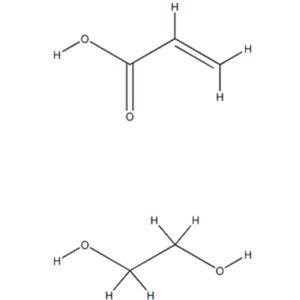
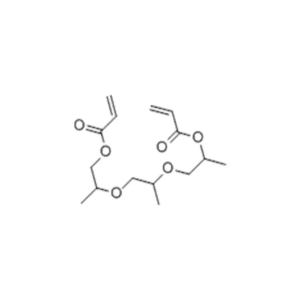
| CHLUMICRYL® DPGDA Monomer | CAS 57472-68-1 | Dipropylene Glycol Dienoate |
| CHLUMICRYL® DPHA Monomer | CAS 29570-58-9 | Dipentaerythritol hexaacrylate |
| CHLUMICRYL® EO3-TMPTA Monomer | CAS 28961-43-5 | Ethoxylated trimethylolpropane triacrylate |
| CHLUMICRYL® EOEOEA Monomer | CAS 7328-17-8 | 2-(2-Ethoxyethoxy)ethyl acrylate |
| CHLUMICRYL® GPTA ( G3POTA ) Monomer | CAS 52408-84-1 | GLYCERYL PROPOXY TRIACRYLATE |
| CHLUMICRYL® HDDA Monomer | CAS 13048-33-4 | Hexamethylene Diacrylate |
| CHLUMICRYL® HEMA Monomer | CAS 868-77-9 | 2-hydroxyethyl methacrylate |
| CHLUMICRYL® HPMA Monomer | CAS 27813-02-1 | 2-Hydroxypropyl methacrylate |
| CHLUMICRYL® IBOA Monomer | CAS 5888-33-5 | Isobornyl acrylate |
| CHLUMICRYL® IBOMA | CAS 7534-94-3 | Isobornyl methacrylate |
| CHLUMICRYL® IDA Monomer | CAS 1330-61-6 | Isodecyl acrylate |
| CHLUMICRYL® IPAMA Monomer | CAS 297156-50-4 | 2-isopropyl-2-adamantyl methacrylate |
| CHLUMICRYL® LMA Monomer | CAS 142-90-5 | Lauryl methacrylate |
| CHLUMICRYL® NP-4EA Monomer | CAS 50974-47-5 | (4) ethoxylated nonylphenol |
| CHLUMICRYL® NPGDA Monomer | CAS 2223-82-7 | Neopentyl glycol diacrylate |
| CHLUMICRYL® PDDA | Phthalate diethylene glycol diacrylate | |
| CHLUMICRYL® PEGDA Monomer | CAS 26570-48-9 | Polyethylene Glycol Diacrylate |
| CHLUMICRYL® PEGDMA Monomer | CAS 25852-47-5 | Poly(ethylene glycol) dimethacrylate |
| CHLUMICRYL® PETA Monomer | CAS 3524-68-3 | PETA; 2-(Hydroxymethyl)-2-[[(1-oxoallyl)oxy]methyl]-1,3-propanediyl diacrylate; 3-(acryloyloxy)-2-[(acryloyloxy)methyl]-2-(hydroxymethyl)propyl acrylate |
| CHLUMICRYL® PHEA Monomer | CAS 48145-04-6 | 2-PHENOXYETHYL ACRYLATE |
| CHLUMICRYL® PO2-NPGDA | CAS 84170-74-1 | |
| CHLUMICRYL® TEGDMA Monomer | CAS 109-16-0 | Triethylene glycol dimethacrylate |
| CHLUMICRYL® THFA Monomer | CAS 2399-48-6 | Tetrahydrofurfuryl acrylate |
| CHLUMICRYL® TMPTA Monomer | CAS 15625-89-5 | Trimethylolpropane triacrylate |
| CHLUMICRYL® TMPTMA Monomer | CAS 3290-92-4 | Trimethylolpropane trimethacrylate |
| CHLUMICRYL® TPGDA Monomer | CAS 42978-66-5 | Tripropylene glycol diacrylate |
| CHLUMICRYL® UV Functional Monomers | Acrylic Monomers |
The future development trend of acrylic polyurethane coatings
Today’s coatings industry is in full swing, a variety of new coatings are widely used, although acrylic polyurethane topcoat was just applied to the construction market at the beginning of the performance of such as weather resistance, water resistance and other non-sense, but acrylic polyurethane topcoat as a healthy coating materials still quickly gained a large number of loyal users, the surface of the surface coated with acrylic polyurethane topcoat of the metal structure of the service life of the structure has also been greatly improved, the main building also plays a good role in protecting the building. The service life of metal structures coated with acrylic polyurethane topcoat is also greatly improved, and the main body of the building is also well protected.
Acrylic polyurethane topcoat is based on epoxy resin, with the characteristics of zero VOC, beautiful coating film, easy recycling of spraying, and saving of production cost, and it has become the most popular coating material for manufacturers and users immediately after it was first applied in the automobile manufacturing industry.
Of course the coating capacity structure of the embodiment of the many different aspects of a very good application capacity. Ship pipeline anticorrosive appearance materials need to be solvent-free, powder form of the spray material, in order to facilitate the construction and appearance of protection, and acrylic polyurethane coatings as a kind of can spray and can be melted into a film of new coatings, can be very good to meet the needs of this project. Metals used in marine vessels are usually subjected to more UV irradiation and seawater erosion than other industrial objects, and degradation is extremely fast, while acrylic polyurethane coatings are extremely poor in weathering performance, abrasion and corrosion resistance, as well as light and colour retention, all of which provide good maintenance and cost control for the production and use of ships.
Acrylic polyurethane coatings have a wide range of applications in pipelines, tanks and a variety of metal components in petroleum, chemical, refining, gas, municipal construction, water conservancy and other heavy industries. It can effectively reduce the corrosion of various media and environment on storage tanks and pipelines, etc., and prolong the service life, and low cost, good air-drying, convenient construction, to reduce environmental pollution, saving investment plays a significant economic and social benefits.
The future structure of the global coating capacity is also reflected in the application of marine anti-corrosion. Ship steel pipe almost universal ship each structure system, such as seawater pipelines, steam and waste water pipelines, fuel oil pipelines, sewage pipelines, etc., to understand the acrylic polyurethane coatings powder coating and easy to recycle the characteristics of non-depletion so that compared with other coatings are more suitable for the coating and protection of ship steel pipe. With the improvement of anti-corrosion technology and optimisation of performance achieved by acrylic polyurethane coatings, the acrylic polyurethane coatings market will also occupy a considerable share in the future application of marine systems.