
화학 물질이 차세대 비철금속으로 간주되는 이유는 무엇인가요?
요즘 많은 친구들이 저에게 물어보곤 합니다: 화학 부문을 쫓아가는 것이 여전히 안전한가요? 사실입니다. 화학 물질 have surged sharply over the past six months, with the entire sector up roughly 70% and countless stocks doubling. But the stronger the rally, the more anxious people become: afraid of buying at the top, yet also scared of missing out. As someone with 소재 산업에서 15년 - 2016년 공급 측면 개혁을 겪으며 수많은 사이클을 목격했던 저는 이 화학적 상승의 근본적인 논리를 분석해보고자 합니다. 제 목표는 한 가지 중요한 질문에 답하는 데 도움을 드리는 것입니다: 왜 화학 제품 가격이 보합이거나 하락할 때에도 주가가 두 배로 뛰는 이유는 무엇인가요?명백한 모순: 주가는 치솟는데 제품 가격은 움직이지 않는 현상
Let’s start with a striking observation. From May last year to now, the chemical sector has performed extremely well. But looking back at our lab’s purchasing records:- PTA2026년 1월에는 톤당 약 5,200위안으로 2025년 5월과 거의 동일합니다.
- 소다회은 톤당 1,300위안에서 1,200위안으로 하락하며 약세를 보였습니다.
- MDI, TDI및 기타 주요 화학 물질이 역사적 최저치에 근접해 있습니다.
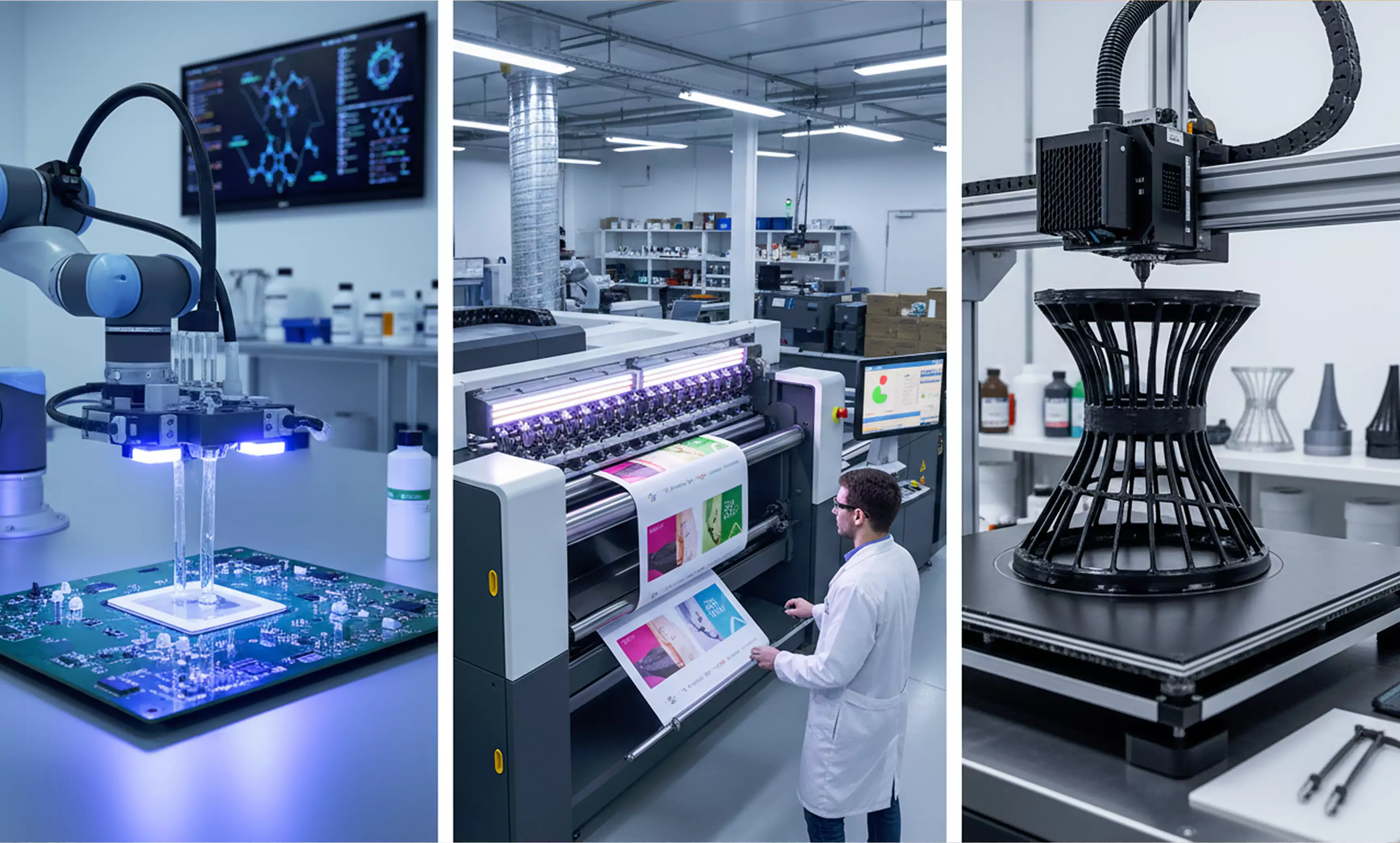
오늘을 이해하려면 2016년을 이해해야 합니다.
이 집회를 이해하려면 먼저 다음에서 무슨 일이 일어났는지 이해해야 합니다. 2016. When I entered the industry in 2010, chemical plants operated under a brutal logic: “Whoever expands capacity dies, but whoever doesn’t expand dies faster.” Take one example. In 2014, we worked with a PTA producer running at only 60% capacity, yet they kept producing at a loss. Why? Because shutting down meant losing customers and market share. Everyone thought the same way, creating a vicious cycle of industry-wide losses. The 2016년 공급 측면 개혁 broke this deadlock. I know the National Bureau of Statistics figures by heart:From 2016 to 2020, the chemical industry eliminated more than 30%의 오래된 용량하지만 더 중요한 것은: 신규 용량 확장이 사실상 제한됨. Starting in 2017, I led environmental impact assessment (EIA) applications for several new projects. I personally experienced how difficult approval became: layers of checks for environmental protection, safety, and energy consumption. A small project often took two years to approve — let alone large-scale facilities. Then, from 2022 to 2025, the chemical industry suffered consecutive years of losses. The result?2026~2027년에는 사실상 주요 신규 용량이 온라인 상태가 될 예정이 없습니다. 이것은 무엇을 의미하나요?화학 산업 전반의 공급은 앞으로 몇 년간 사실상 중단될 것입니다.기대가 현실보다 먼저 움직이는 이유는 무엇인가요?
You might ask: I get that supply is constrained, but demand is still weak. Why are stocks rising first? Let me share a story. In 2016, shortly after I joined my current company, I led a technical upgrade on an old plant. A neighboring chemical factory had closed, and its equipment was being scrapped and sold as scrap metal. My boss at the time — a 30-year industry veteran — looked out the window and said something I still remember: “When prices rise later, we’ll be the ones calling the shots.” I didn’t fully understand it then. Now I know he was right. When only a few major players remain on the supply side, 가격 책정 권한이 완전히 바뀌다기존 로직은 다음과 같습니다: 가격을 인하하지 않으면 다른 누군가가 인하할 것입니다.새로운 로직은 다음과 같습니다: 가격을 올리면 다른 사람들도 따라 올릴 것입니다.This isn’t monopoly; it’s a natural evolution of market structure. Smart money doesn’t wait for prices to rise before buying.가격 반등이 불가피하다고 판단되면 매수합니다. 그렇기 때문에 현실보다 앞서가는 기대. Take soda ash as a real-world example. At 1,200 yuan per ton, it’s clearly at a low level. But think about this:If supply is locked, even a 수요의 완만한 회복 could trigger a sharp price jump. Chemicals have a U-shaped cost curve. The cost of marginal capacity is extremely high. Once demand picks up, prices can jump sharply above marginal cost. 기관들은 "한 번"에 베팅하고 있습니다.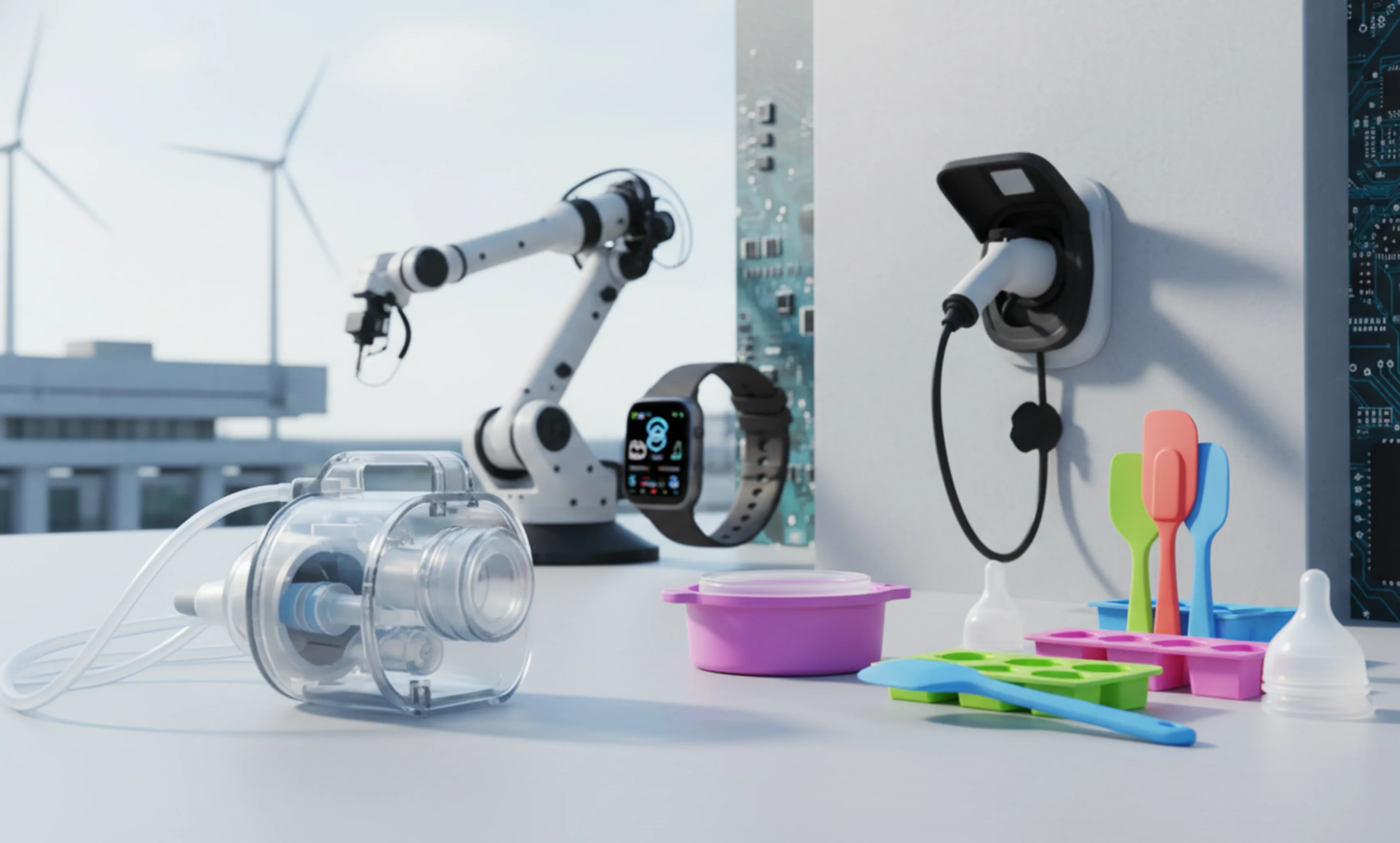
화학 물질
현재 리듬을 읽는 방법
지금쯤이면 제가 맹목적으로 낙관적이라고 생각할 수도 있습니다. 그렇지 않습니다. 장기적인 논리와 단기적인 가격 움직임은 서로 다른 두 가지입니다. In my experience, cyclical sectors like chemicals never move straight up. They advance two steps, retreat one — sometimes even one up, two down. Why? When expectations become too unanimous, some investors rush in early, while others take profits. I saw a similar script in 2017. After supply-side reform was announced, optimism exploded and stocks surged. Then the 2018 trade war crushed demand expectations, and prices gave back most of their gains. But by 2019–2020, companies with real cost advantages and technical barriers hit new highs. Here’s my current approach:- I 추격하지 않습니다.두 배로 올랐지만 여전히 손실로 운영되는 주식.
- 대신 다음 사항에 집중합니다. 용량이 완전히 비워진 구간향후 2년간 신규 공급이 없고 플레이어가 비용 또는 기술적 해자를 가지고 있는 곳입니다.
- MDI: 글로벌 생산업체는 소수에 불과하고 신규 생산능력은 거의 없어 수요가 회복되면 큰 상승 여력이 있습니다.
- 특정 특수 정밀 화학 제품: 시가총액은 작지만 기술 장벽이 높아 새로운 경쟁자를 차단합니다.
생각을 자극하는 가설
Finally, I’d like to propose a potentially bold hypothesis. Viewing this rally only as a “cyclical reversal from locked supply + recovering demand” may be too simplistic. 화학 산업의 가치 평가 프레임워크가 완전히 재편될 수 있을까요? 과거에는 화학 물질 는 순수한 경기 순환주로 취급되어 종종 10배 정도의 주가수익비율(P/E)로 평가되었지만, 앞으로 공급이 장기적으로 제약된다면 선도 기업은 이익 변동성이 훨씬 좁아지고 현금 흐름이 안정되며 배당 여력이 강화될 것입니다. 여전히 순환주일까요?Or could they gradually shift toward a valuation logic closer to utilities or consumer staples? I’ve already started allocating part of my holdings based on this view. Of course, this is only a hypothesis — time will tell if it proves correct.Related product references: For formulation review or sourcing comparison, see CHLUMIAO HO-17/17EH 및 CHLUMIAO HS-502/503/504/603/605/608/101.