
안료 착색 기법
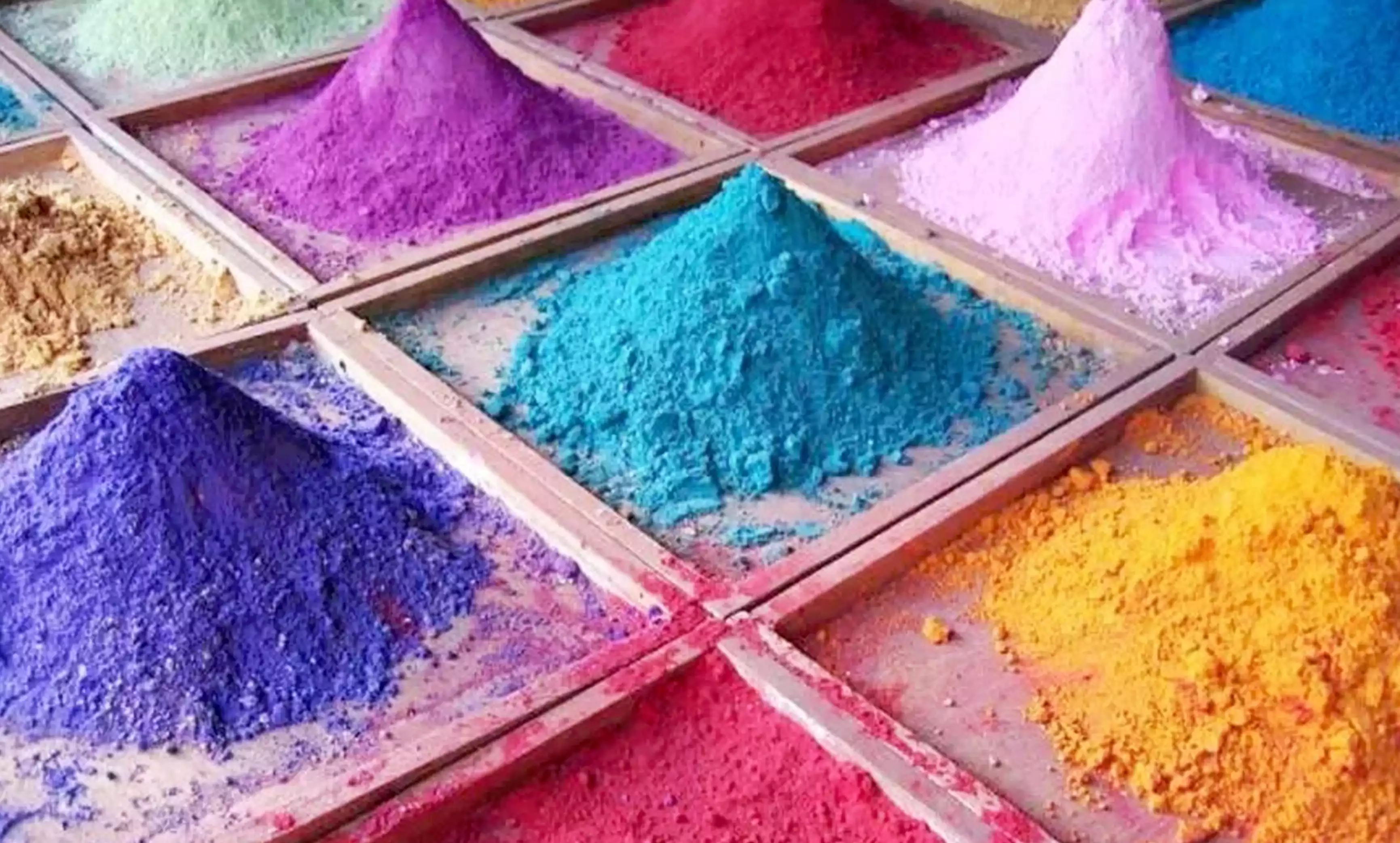
색상의 기능은 시각적 즐거움을 넘어 감정을 불러일으키고 분위기를 전달하며 제품 포지셔닝과 소비자 선호도에 직접적인 영향을 미칠 수 있습니다. 동시에 색상은 젤 광택 제품의 외관에 영향을 미칠 뿐만 아니라 성능, 적용 기술 및 비용에도 큰 영향을 미치는 화학적 변수입니다. 젤 광택제에 색을 입힐 때 제조업체는 재료 내 색의 분산 메커니즘을 이해해야 할 뿐만 아니라 숙련된 색상 공급업체가 제공하는 기술 지원을 효과적으로 활용해야 합니다. 크로메클레어의 예를 들어 보겠습니다. 헤마 프리 젤 광택제 를 예로 들 수 있습니다. 이 브랜드는 손톱 건강을 부드럽게 가꾸어주는 저자극 친환경 포뮬러를 제공하여 안전을 우선시합니다. 또한 현대적인 미학에 부합하는 광범위한 색상 범위를 제공하여 전반적인 사용자 경험이 뛰어납니다.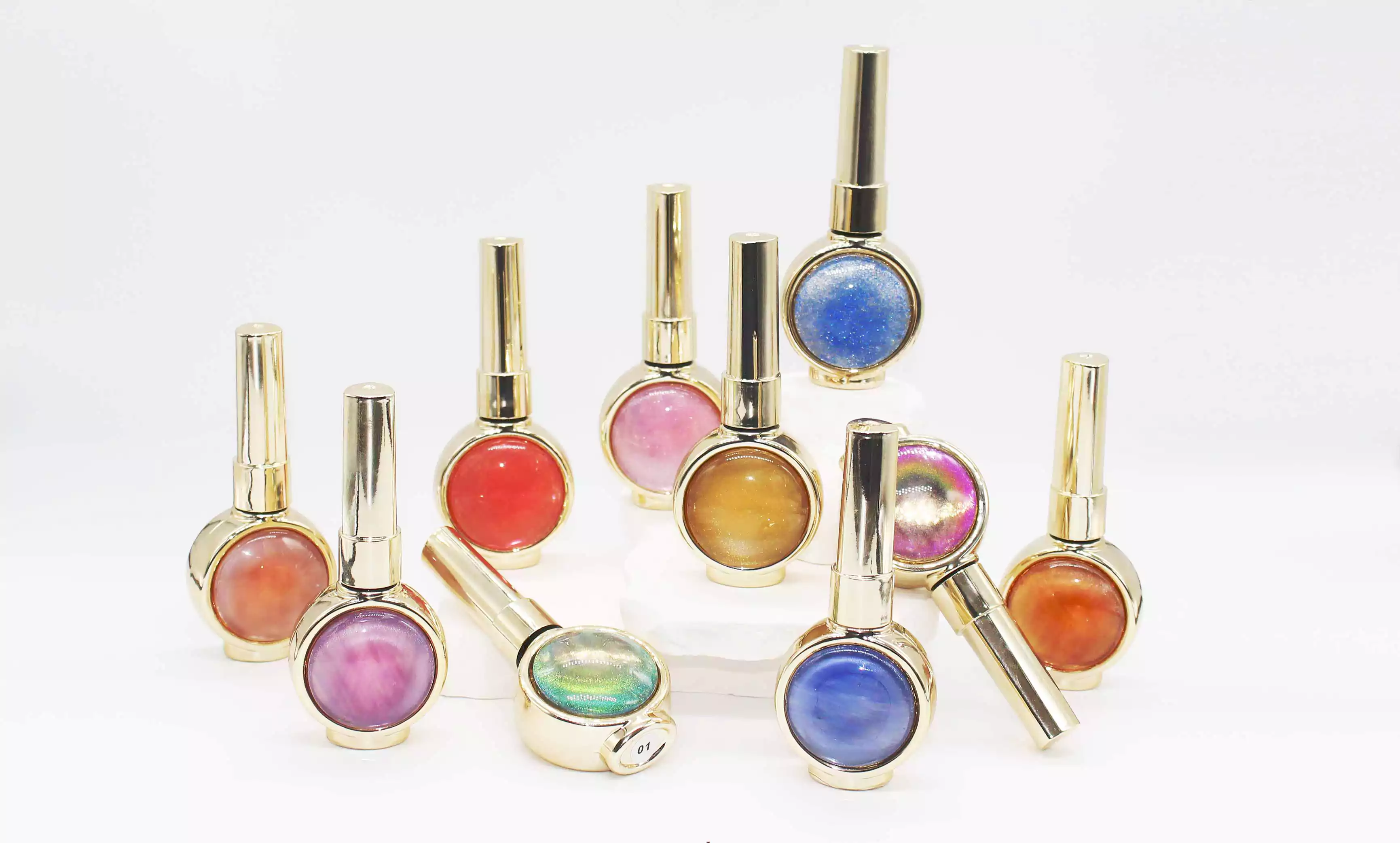 기본적인 색채 화학 지식을 습득하는 것이 중요합니다. 컬러리스트는 뜨거운 물에 녹는 설탕처럼 분자 수준에서 레진 시스템 내에서 균일하게 용해 및 분산되는 염료를 선택하거나 기본 안료에 녹지 않는 고체 입자를 선택할 수 있습니다. 염료는 더 밝고 투명한 색상 효과를 내며 특히 투명한 젤 광택제를 색칠하는 데 적합합니다. 그러나 고체 안료는 채도가 높거나 반투명 또는 불투명한 색상 톤을 구현하는 데 더 적합합니다.
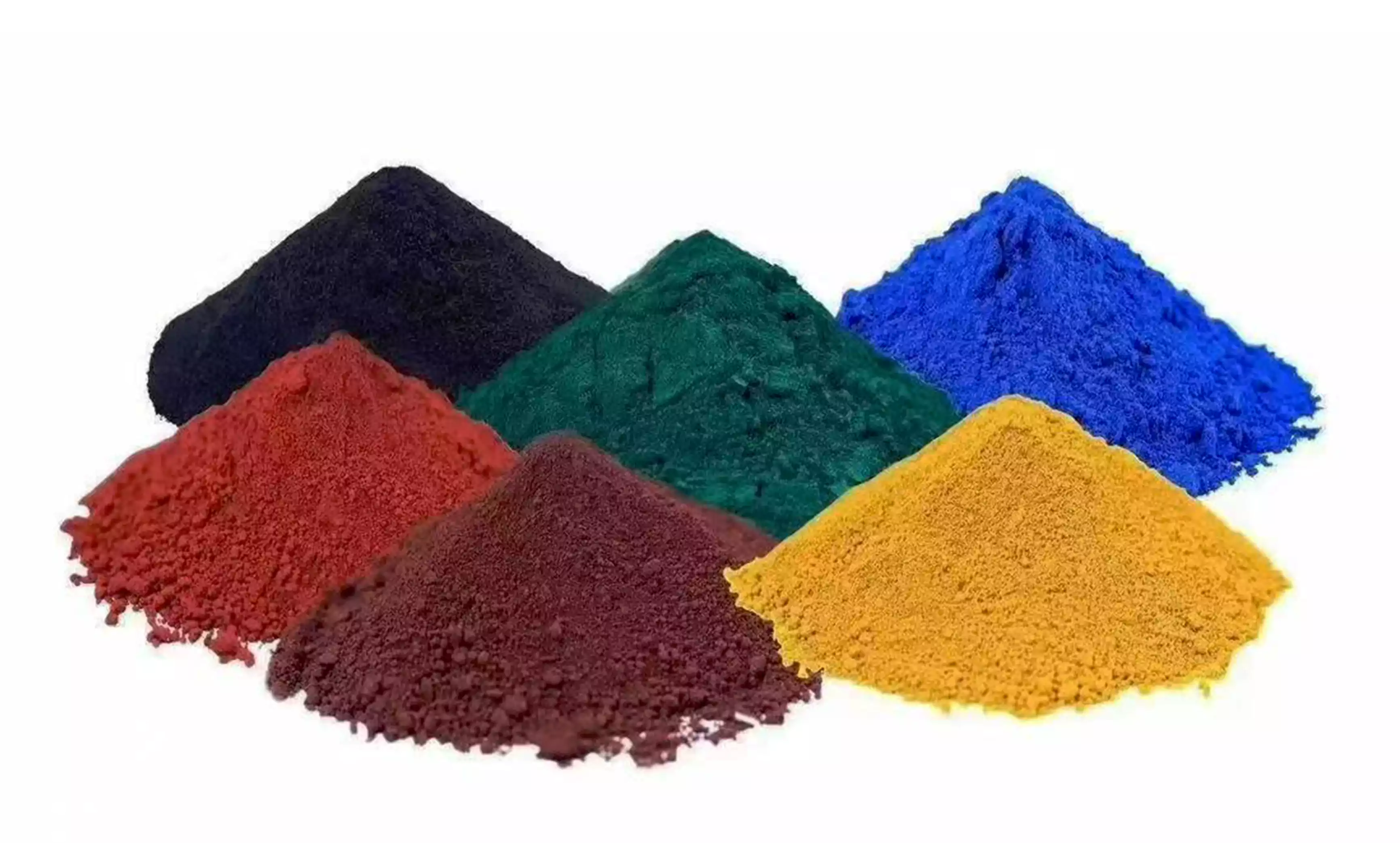
 최근에는 특정 금속 성분에 대한 제한으로 인해 유기 염료나 안료를 선호하는 사용자가 늘고 있는 반면 무기 안료의 사용 비율은 감소하고 있습니다. 무기 안료는 일반적으로 미세하게 분쇄된 금속 화합물로 내광성이 뛰어나지만 색상 강도, 착색 강도 및 밝기는 일반적으로 유기 안료에 미치지 못합니다. 일반적인 무기 안료에는 철, 티타늄, 코발트 등의 금속 산화물과 군청색, 황화아연, 황산 바륨 등의 무기 염이 포함됩니다. 반면 유기 안료는 원자로에서 유기 분자 미세 분말로 합성되며, 화학 구조와 작용기에 따라 광학적 특성과 열 안정성이 크게 달라집니다. 유기 안료는 다양하고 폭넓은 색상 선택이 가능하며, 대부분 높은 밝기와 착색 강도를 자랑합니다. 입자 크기도 성능에 영향을 미치는데, 입자가 작을수록 투명도와 착색 강도가 높아지는 반면 입자가 클수록 투명도가 떨어지고 착색 강도가 감소합니다.
 When selecting pigment types suitable for gel polish, the primary consideration is the chemical structure of the base resin. Even resins with similar chemical compositions—such as those from different manufacturers or origins—may react differently to colorants due to variations in synthesis pathways or purity.
Generally, highly transparent color effects are more commonly observed in non-crystalline (or amorphous) resin systems. For certain resins with crystallization tendencies, a significant amount of energy (heat) must be absorbed during curing to induce a phase transition and convert them into a low-viscosity flow state. Consequently, pigments used with such resins require higher thermal stability. This also explains why color differences often occur when recycled material is mixed with new resin—pigments in recycled material degrade due to their longer thermal history. In contrast, amorphous resins possess greater free volume, making them more capable of accommodating dye molecules and maintaining a solution state. This reduces the likelihood of surface precipitation or mold fouling.
When selecting pigment types suitable for gel polish, the primary consideration is the chemical structure of the base resin. Even resins with similar chemical compositions—such as those from different manufacturers or origins—may react differently to colorants due to variations in synthesis pathways or purity.
Generally, highly transparent color effects are more commonly observed in non-crystalline (or amorphous) resin systems. For certain resins with crystallization tendencies, a significant amount of energy (heat) must be absorbed during curing to induce a phase transition and convert them into a low-viscosity flow state. Consequently, pigments used with such resins require higher thermal stability. This also explains why color differences often occur when recycled material is mixed with new resin—pigments in recycled material degrade due to their longer thermal history. In contrast, amorphous resins possess greater free volume, making them more capable of accommodating dye molecules and maintaining a solution state. This reduces the likelihood of surface precipitation or mold fouling.
 The choice of colorants also depends on whether the gel polish resin is a homopolymer or a copolymer. Homopolymers can be crystalline or amorphous, and suitable colorants can still be uniformly distributed. However, copolymers—especially block copolymers or crosslinked rubber particles found in acrylic-modified systems—may exhibit microphase separation structures that hinder colorant penetration into the rubber phase. This can result in uneven coloration or a whitish appearance.
When using dyes to color gel polish, their compatibility with the resin is particularly crucial. The refractive index of the resin is another factor to consider, as it affects the path light takes through the material. For example, aliphatic resins (such as certain acrylics) have a lower refractive index, while aromatic resins (such as some modified epoxies or polyurethanes) have a higher refractive index. When resins with different refractive indices are blended, light scattering increases, potentially causing the material to appear milky or translucent.
Additionally, colorants may also affect the curing properties and final physical characteristics of gel polish. Certain pigments can significantly reduce the material’s light stability or thermal stability. For example, titanium dioxide may affect the thermal stability of polyester and polyurethane systems, while iron-based pigments may reduce the stability of chlorinated resins. Inappropriate titanium dioxide selection may even weaken the gel polish’s UV resistance. Similarly, the chemical reactivity of resin end groups may alter the chemical state of certain colorants, causing color changes.
The choice of colorants also depends on whether the gel polish resin is a homopolymer or a copolymer. Homopolymers can be crystalline or amorphous, and suitable colorants can still be uniformly distributed. However, copolymers—especially block copolymers or crosslinked rubber particles found in acrylic-modified systems—may exhibit microphase separation structures that hinder colorant penetration into the rubber phase. This can result in uneven coloration or a whitish appearance.
When using dyes to color gel polish, their compatibility with the resin is particularly crucial. The refractive index of the resin is another factor to consider, as it affects the path light takes through the material. For example, aliphatic resins (such as certain acrylics) have a lower refractive index, while aromatic resins (such as some modified epoxies or polyurethanes) have a higher refractive index. When resins with different refractive indices are blended, light scattering increases, potentially causing the material to appear milky or translucent.
Additionally, colorants may also affect the curing properties and final physical characteristics of gel polish. Certain pigments can significantly reduce the material’s light stability or thermal stability. For example, titanium dioxide may affect the thermal stability of polyester and polyurethane systems, while iron-based pigments may reduce the stability of chlorinated resins. Inappropriate titanium dioxide selection may even weaken the gel polish’s UV resistance. Similarly, the chemical reactivity of resin end groups may alter the chemical state of certain colorants, causing color changes.
 In all cases, the functional performance of the gel polish should be prioritized, with color design tailored to specific application requirements. Colorants may also impact the physical properties of the gel polish coating: pigment particles can act as stress concentration points, reducing the material’s tensile strength, elongation, and impact resistance—particularly critical in flexible gel polish applications demanding high resilience. Appropriate pigment and formulation design can mitigate these negative effects, typically limiting performance degradation to within 10%.
Certain pigment-dye-resin combinations may also induce “photo-softening,” where products gradually lose strength and toughness under sunlight exposure. For instance, using uncoated titanium dioxide or iron-based pigments in certain UV-curable resins, or specific metal complex pigments in polyurethane acrylates, presents significant formulation challenges. Resins with sensitive thermal stability may also be affected by trace metals—commonly found in metal complex dyes, lake pigments, and non-synthetic inorganic pigments.
For optimal formulations, prioritize light and thermal stability requirements before addressing color matching. Consider the rheological behavior of colorants early in development, as later adjustments incur higher costs. For instance, high-load pigments like carbon black and calcium carbonate may increase system viscosity, while solvent-based dyes or certain liquid pigment carriers may reduce it. Any colorant or additive that may cause polymer degradation will also lead to viscosity reduction.
Generally, lower-cost pigments often exhibit poorer stability, meaning the lowest-cost formulation isn’t necessarily the most stable choice—any savings in raw material costs may be offset by reduced product yield. Multiple pigments also influence shrinkage and warping behavior in gel polish. For example, commonly used phthalocyanine green and blue may affect semi-crystalline behavior due to their nucleation effects, causing uneven shrinkage. Computer simulations of rheological behavior can predict such outcomes, aiding in formulation adjustments prior to production.
In all cases, the functional performance of the gel polish should be prioritized, with color design tailored to specific application requirements. Colorants may also impact the physical properties of the gel polish coating: pigment particles can act as stress concentration points, reducing the material’s tensile strength, elongation, and impact resistance—particularly critical in flexible gel polish applications demanding high resilience. Appropriate pigment and formulation design can mitigate these negative effects, typically limiting performance degradation to within 10%.
Certain pigment-dye-resin combinations may also induce “photo-softening,” where products gradually lose strength and toughness under sunlight exposure. For instance, using uncoated titanium dioxide or iron-based pigments in certain UV-curable resins, or specific metal complex pigments in polyurethane acrylates, presents significant formulation challenges. Resins with sensitive thermal stability may also be affected by trace metals—commonly found in metal complex dyes, lake pigments, and non-synthetic inorganic pigments.
For optimal formulations, prioritize light and thermal stability requirements before addressing color matching. Consider the rheological behavior of colorants early in development, as later adjustments incur higher costs. For instance, high-load pigments like carbon black and calcium carbonate may increase system viscosity, while solvent-based dyes or certain liquid pigment carriers may reduce it. Any colorant or additive that may cause polymer degradation will also lead to viscosity reduction.
Generally, lower-cost pigments often exhibit poorer stability, meaning the lowest-cost formulation isn’t necessarily the most stable choice—any savings in raw material costs may be offset by reduced product yield. Multiple pigments also influence shrinkage and warping behavior in gel polish. For example, commonly used phthalocyanine green and blue may affect semi-crystalline behavior due to their nucleation effects, causing uneven shrinkage. Computer simulations of rheological behavior can predict such outcomes, aiding in formulation adjustments prior to production.
 Pigments also influence the light-curing response characteristics, heat absorption, and conduction patterns of gel polish. For instance, carbon black rapidly absorbs and conducts heat, while ceramic pigments may retain heat longer. Specially formulated aluminum powders can reflect heat. These thermal behaviors directly impact curing time, coating dimensional stability, and the effectiveness of subsequent processes such as inlay decoration or splicing. Relying solely on curing parameters for uncolored gel polish during production may lead to efficiency losses or even production failures due to thermal cond uctivity changes introduced by colorants.
Addressing color considerations late in product development significantly increases costs. Failing to integrate color and additive systems early in the design and material selection phase hinders maximizing gel polish product value. Attempting to cut costs by simply selecting low-cost colorants often creates process obstacles and performance risks. Conversely, close collaboration with experienced color suppliers facilitates smoother formulation optimization, achieving harmony between color effects and functional stability.
Therefore, nail polish gel manufacturers and their clients are advised to actively leverage color consultation services offered by major color suppliers. Through laboratory analysis, rheological simulation, and performance testing, potential risks can be identified before large-scale production, enabling the development of more robust, cost-effective, and market-responsive color solutions.
Pigments also influence the light-curing response characteristics, heat absorption, and conduction patterns of gel polish. For instance, carbon black rapidly absorbs and conducts heat, while ceramic pigments may retain heat longer. Specially formulated aluminum powders can reflect heat. These thermal behaviors directly impact curing time, coating dimensional stability, and the effectiveness of subsequent processes such as inlay decoration or splicing. Relying solely on curing parameters for uncolored gel polish during production may lead to efficiency losses or even production failures due to thermal cond uctivity changes introduced by colorants.
Addressing color considerations late in product development significantly increases costs. Failing to integrate color and additive systems early in the design and material selection phase hinders maximizing gel polish product value. Attempting to cut costs by simply selecting low-cost colorants often creates process obstacles and performance risks. Conversely, close collaboration with experienced color suppliers facilitates smoother formulation optimization, achieving harmony between color effects and functional stability.
Therefore, nail polish gel manufacturers and their clients are advised to actively leverage color consultation services offered by major color suppliers. Through laboratory analysis, rheological simulation, and performance testing, potential risks can be identified before large-scale production, enabling the development of more robust, cost-effective, and market-responsive color solutions.
Related product references: For formulation review or sourcing comparison, see CHROMÉCLAIR HEMA-free & TPO-free Gel Polish 및 CHLUMINIT TMO.