
Tecniche di colorazione a pigmento
La funzione del colore va ben oltre il piacere visivo; può evocare emozioni, trasmettere stati d'animo e influenzare direttamente il posizionamento del prodotto e le preferenze dei consumatori. Allo stesso tempo, il colore è una variabile chimica che non solo influisce sull'aspetto dei prodotti per smalto gel, ma ha anche un impatto significativo sulle loro prestazioni, sulle tecniche di applicazione e sui costi. Quando colorano lo smalto gel, i produttori devono non solo comprendere i meccanismi di dispersione del colore all'interno del materiale, ma anche sfruttare efficacemente il supporto tecnico fornito da fornitori di colori esperti. Prendiamo ad esempio i prodotti CHROMÉCLAIR Smalto gel senza HEMA come esempio. Questo marchio dà priorità alla sicurezza, offrendo formule ecologiche e a bassa irritazione che curano delicatamente la salute delle unghie. Offre inoltre un'ampia gamma di colori in linea con l'estetica contemporanea, che si traduce in un'eccellente esperienza d'uso complessiva.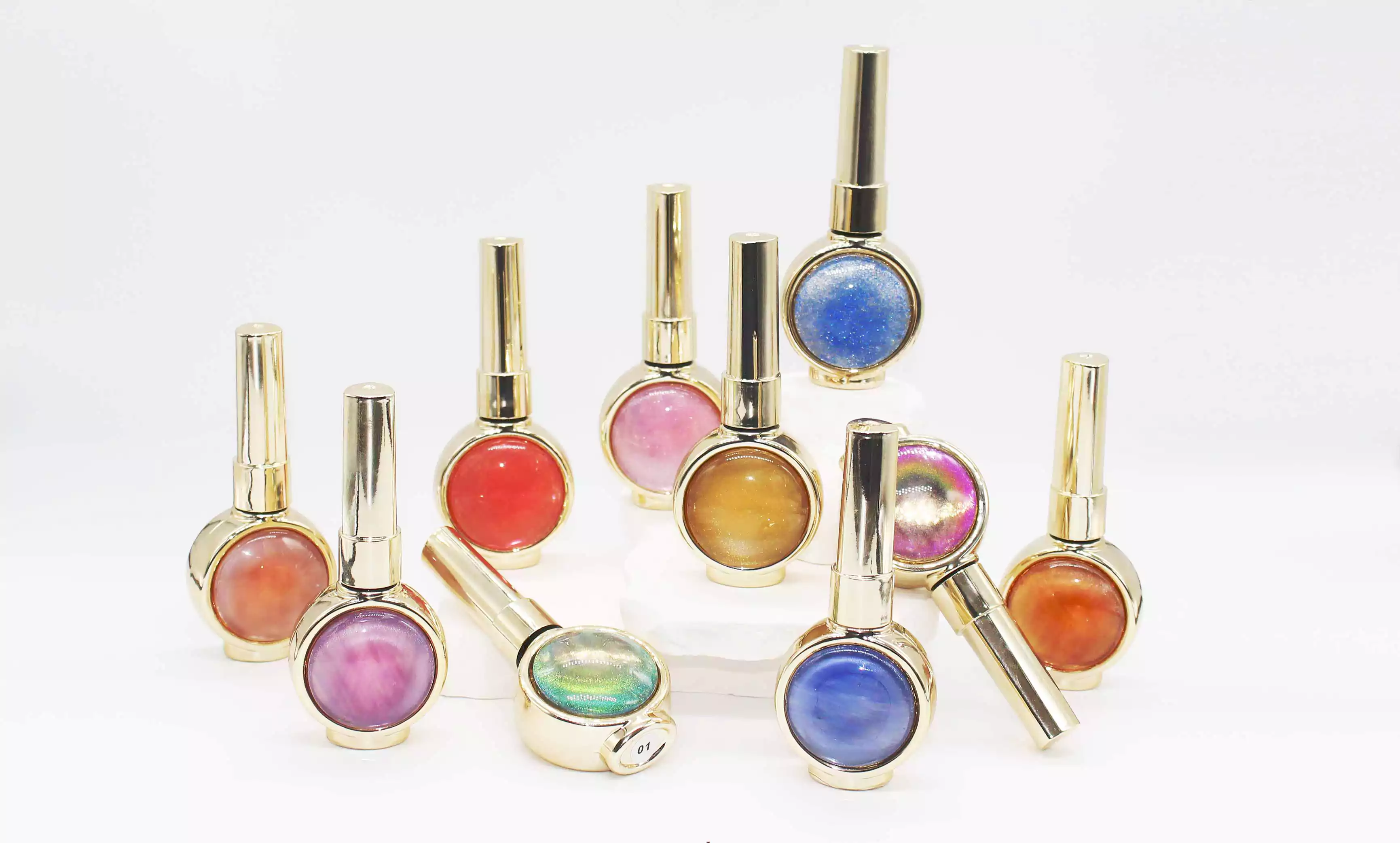 La padronanza delle nozioni fondamentali di chimica del colore è fondamentale. I coloristi possono scegliere coloranti che si sciolgono e si disperdono uniformemente nel sistema di resina a livello molecolare (come lo zucchero che si scioglie nell'acqua calda), oppure optare per particelle solide insolubili nei pigmenti di base. I coloranti producono effetti cromatici più brillanti e trasparenti e sono particolarmente adatti per colorare gli smalti in gel trasparenti. I pigmenti solidi, invece, sono più indicati per ottenere toni di colore altamente saturi, semitrasparenti o opachi.
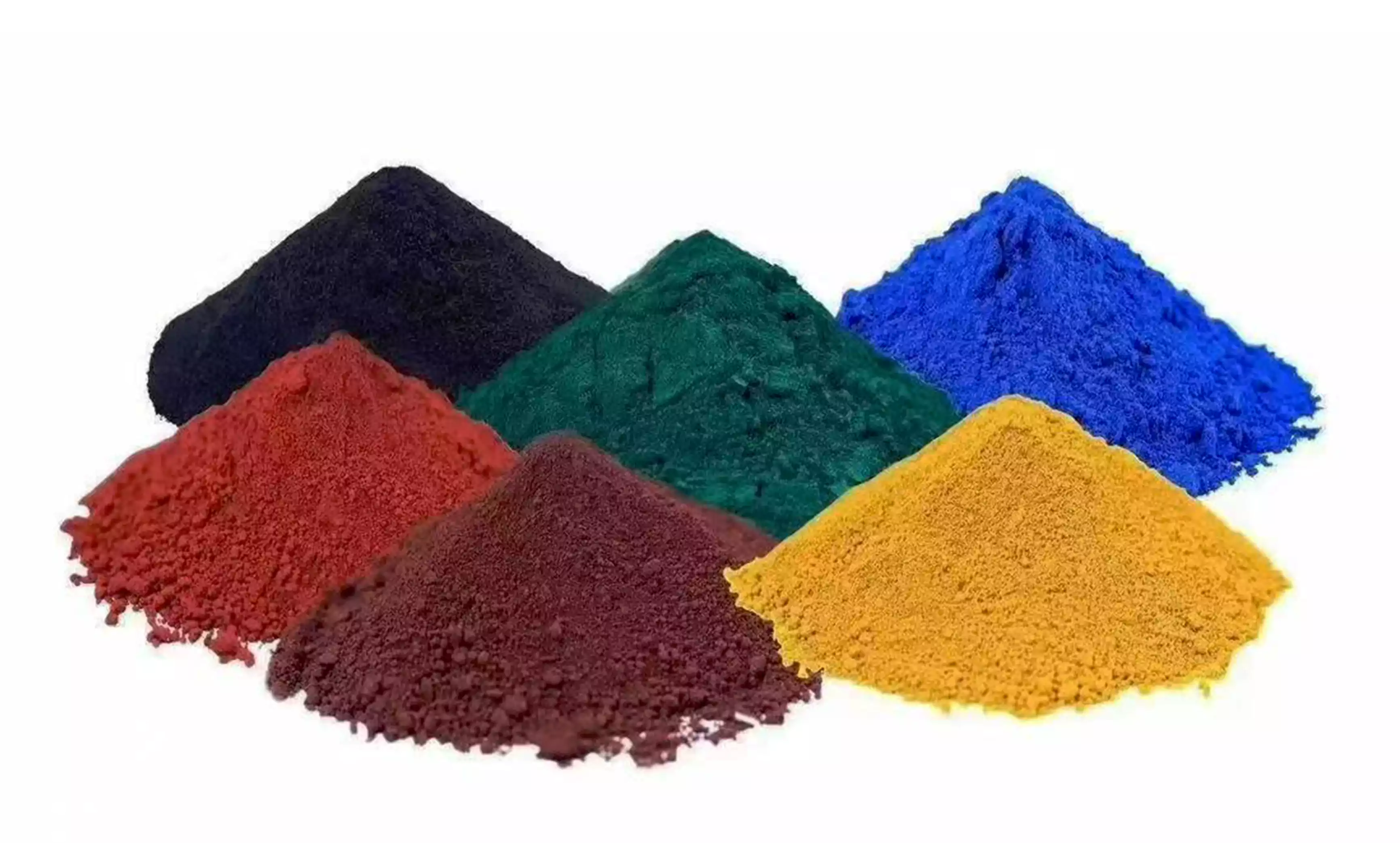
 Negli ultimi anni, a causa delle restrizioni su alcuni componenti metallici, un numero crescente di utilizzatori ha preferito coloranti o pigmenti organici, mentre la percentuale di pigmenti inorganici è diminuita. I pigmenti inorganici sono in genere composti metallici finemente macinati che offrono un'eccellente resistenza alla luce, anche se la loro intensità cromatica, la forza colorante e la luminosità sono generalmente inferiori a quelle dei pigmenti organici. I pigmenti inorganici più comuni includono ossidi metallici come ferro, titanio e cobalto, nonché sali inorganici come il blu oltremare, il solfuro di zinco e il solfato di bario. I pigmenti organici, invece, sono sintetizzati come micropolveri molecolari organiche in reattori, con proprietà ottiche e stabilità termica che variano significativamente in base alla struttura chimica e ai gruppi funzionali. I pigmenti organici offrono un'ampia varietà e una vasta scelta di colori, la maggior parte dei quali presenta un'elevata luminosità e forza colorante. Anche la dimensione delle particelle influisce sulle prestazioni: le particelle più piccole producono maggiore trasparenza e forza colorante, mentre quelle più grandi danno luogo a una trasparenza più scarsa e a una minore intensità colorante.
 When selecting pigment types suitable for gel polish, the primary consideration is the chemical structure of the base resin. Even resins with similar chemical compositions—such as those from different manufacturers or origins—may react differently to colorants due to variations in synthesis pathways or purity.
Generally, highly transparent color effects are more commonly observed in non-crystalline (or amorphous) resin systems. For certain resins with crystallization tendencies, a significant amount of energy (heat) must be absorbed during curing to induce a phase transition and convert them into a low-viscosity flow state. Consequently, pigments used with such resins require higher thermal stability. This also explains why color differences often occur when recycled material is mixed with new resin—pigments in recycled material degrade due to their longer thermal history. In contrast, amorphous resins possess greater free volume, making them more capable of accommodating dye molecules and maintaining a solution state. This reduces the likelihood of surface precipitation or mold fouling.
When selecting pigment types suitable for gel polish, the primary consideration is the chemical structure of the base resin. Even resins with similar chemical compositions—such as those from different manufacturers or origins—may react differently to colorants due to variations in synthesis pathways or purity.
Generally, highly transparent color effects are more commonly observed in non-crystalline (or amorphous) resin systems. For certain resins with crystallization tendencies, a significant amount of energy (heat) must be absorbed during curing to induce a phase transition and convert them into a low-viscosity flow state. Consequently, pigments used with such resins require higher thermal stability. This also explains why color differences often occur when recycled material is mixed with new resin—pigments in recycled material degrade due to their longer thermal history. In contrast, amorphous resins possess greater free volume, making them more capable of accommodating dye molecules and maintaining a solution state. This reduces the likelihood of surface precipitation or mold fouling.
 The choice of colorants also depends on whether the gel polish resin is a homopolymer or a copolymer. Homopolymers can be crystalline or amorphous, and suitable colorants can still be uniformly distributed. However, copolymers—especially block copolymers or crosslinked rubber particles found in acrylic-modified systems—may exhibit microphase separation structures that hinder colorant penetration into the rubber phase. This can result in uneven coloration or a whitish appearance.
When using dyes to color gel polish, their compatibility with the resin is particularly crucial. The refractive index of the resin is another factor to consider, as it affects the path light takes through the material. For example, aliphatic resins (such as certain acrylics) have a lower refractive index, while aromatic resins (such as some modified epoxies or polyurethanes) have a higher refractive index. When resins with different refractive indices are blended, light scattering increases, potentially causing the material to appear milky or translucent.
Additionally, colorants may also affect the curing properties and final physical characteristics of gel polish. Certain pigments can significantly reduce the material’s light stability or thermal stability. For example, titanium dioxide may affect the thermal stability of polyester and polyurethane systems, while iron-based pigments may reduce the stability of chlorinated resins. Inappropriate titanium dioxide selection may even weaken the gel polish’s UV resistance. Similarly, the chemical reactivity of resin end groups may alter the chemical state of certain colorants, causing color changes.
The choice of colorants also depends on whether the gel polish resin is a homopolymer or a copolymer. Homopolymers can be crystalline or amorphous, and suitable colorants can still be uniformly distributed. However, copolymers—especially block copolymers or crosslinked rubber particles found in acrylic-modified systems—may exhibit microphase separation structures that hinder colorant penetration into the rubber phase. This can result in uneven coloration or a whitish appearance.
When using dyes to color gel polish, their compatibility with the resin is particularly crucial. The refractive index of the resin is another factor to consider, as it affects the path light takes through the material. For example, aliphatic resins (such as certain acrylics) have a lower refractive index, while aromatic resins (such as some modified epoxies or polyurethanes) have a higher refractive index. When resins with different refractive indices are blended, light scattering increases, potentially causing the material to appear milky or translucent.
Additionally, colorants may also affect the curing properties and final physical characteristics of gel polish. Certain pigments can significantly reduce the material’s light stability or thermal stability. For example, titanium dioxide may affect the thermal stability of polyester and polyurethane systems, while iron-based pigments may reduce the stability of chlorinated resins. Inappropriate titanium dioxide selection may even weaken the gel polish’s UV resistance. Similarly, the chemical reactivity of resin end groups may alter the chemical state of certain colorants, causing color changes.
 In all cases, the functional performance of the gel polish should be prioritized, with color design tailored to specific application requirements. Colorants may also impact the physical properties of the gel polish coating: pigment particles can act as stress concentration points, reducing the material’s tensile strength, elongation, and impact resistance—particularly critical in flexible gel polish applications demanding high resilience. Appropriate pigment and formulation design can mitigate these negative effects, typically limiting performance degradation to within 10%.
Certain pigment-dye-resin combinations may also induce “photo-softening,” where products gradually lose strength and toughness under sunlight exposure. For instance, using uncoated titanium dioxide or iron-based pigments in certain UV-curable resins, or specific metal complex pigments in polyurethane acrylates, presents significant formulation challenges. Resins with sensitive thermal stability may also be affected by trace metals—commonly found in metal complex dyes, lake pigments, and non-synthetic inorganic pigments.
For optimal formulations, prioritize light and thermal stability requirements before addressing color matching. Consider the rheological behavior of colorants early in development, as later adjustments incur higher costs. For instance, high-load pigments like carbon black and calcium carbonate may increase system viscosity, while solvent-based dyes or certain liquid pigment carriers may reduce it. Any colorant or additive that may cause polymer degradation will also lead to viscosity reduction.
Generally, lower-cost pigments often exhibit poorer stability, meaning the lowest-cost formulation isn’t necessarily the most stable choice—any savings in raw material costs may be offset by reduced product yield. Multiple pigments also influence shrinkage and warping behavior in gel polish. For example, commonly used phthalocyanine green and blue may affect semi-crystalline behavior due to their nucleation effects, causing uneven shrinkage. Computer simulations of rheological behavior can predict such outcomes, aiding in formulation adjustments prior to production.
In all cases, the functional performance of the gel polish should be prioritized, with color design tailored to specific application requirements. Colorants may also impact the physical properties of the gel polish coating: pigment particles can act as stress concentration points, reducing the material’s tensile strength, elongation, and impact resistance—particularly critical in flexible gel polish applications demanding high resilience. Appropriate pigment and formulation design can mitigate these negative effects, typically limiting performance degradation to within 10%.
Certain pigment-dye-resin combinations may also induce “photo-softening,” where products gradually lose strength and toughness under sunlight exposure. For instance, using uncoated titanium dioxide or iron-based pigments in certain UV-curable resins, or specific metal complex pigments in polyurethane acrylates, presents significant formulation challenges. Resins with sensitive thermal stability may also be affected by trace metals—commonly found in metal complex dyes, lake pigments, and non-synthetic inorganic pigments.
For optimal formulations, prioritize light and thermal stability requirements before addressing color matching. Consider the rheological behavior of colorants early in development, as later adjustments incur higher costs. For instance, high-load pigments like carbon black and calcium carbonate may increase system viscosity, while solvent-based dyes or certain liquid pigment carriers may reduce it. Any colorant or additive that may cause polymer degradation will also lead to viscosity reduction.
Generally, lower-cost pigments often exhibit poorer stability, meaning the lowest-cost formulation isn’t necessarily the most stable choice—any savings in raw material costs may be offset by reduced product yield. Multiple pigments also influence shrinkage and warping behavior in gel polish. For example, commonly used phthalocyanine green and blue may affect semi-crystalline behavior due to their nucleation effects, causing uneven shrinkage. Computer simulations of rheological behavior can predict such outcomes, aiding in formulation adjustments prior to production.
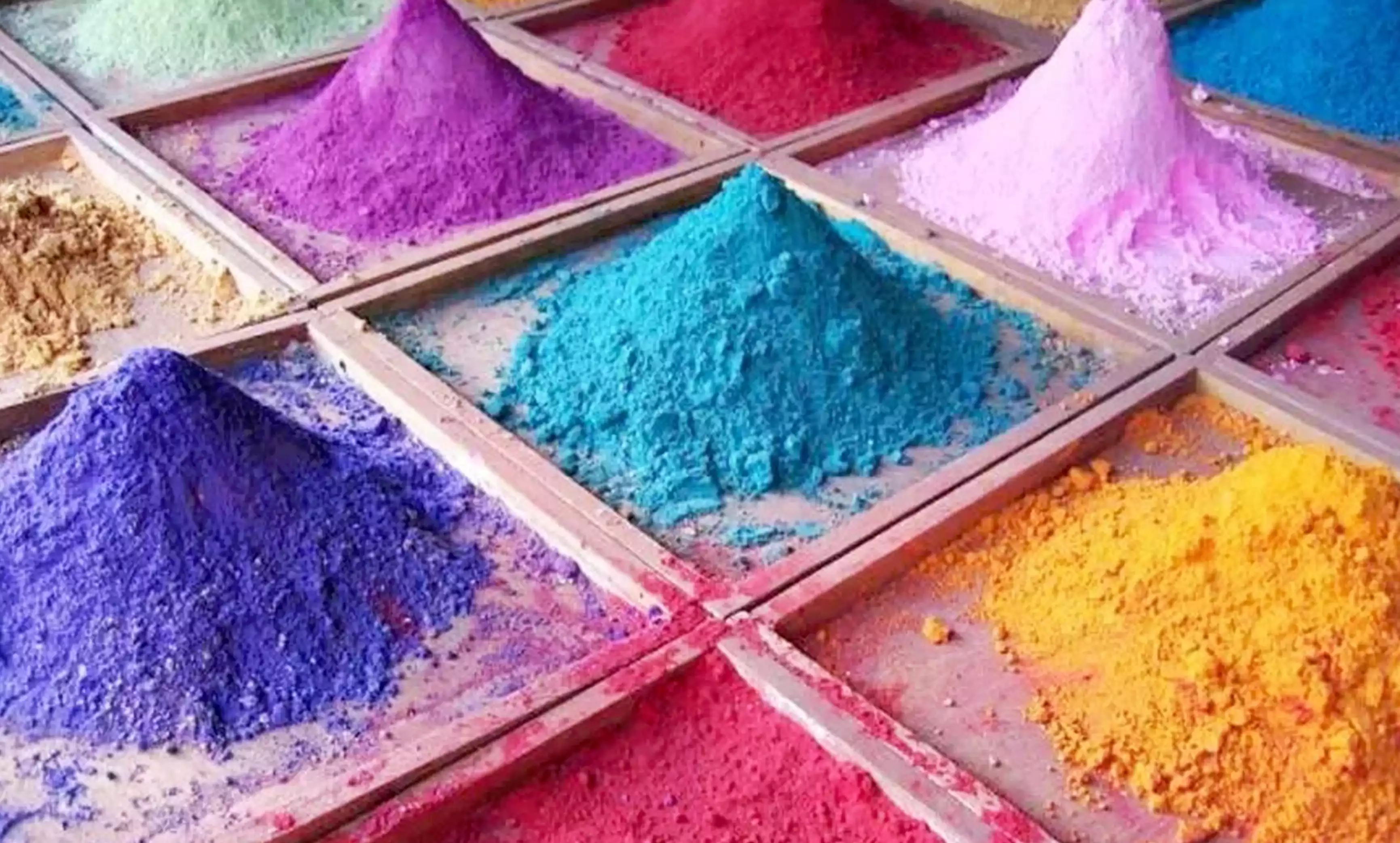 Pigments also influence the light-curing response characteristics, heat absorption, and conduction patterns of gel polish. For instance, carbon black rapidly absorbs and conducts heat, while ceramic pigments may retain heat longer. Specially formulated aluminum powders can reflect heat. These thermal behaviors directly impact curing time, coating dimensional stability, and the effectiveness of subsequent processes such as inlay decoration or splicing. Relying solely on curing parameters for uncolored gel polish during production may lead to efficiency losses or even production failures due to thermal cond uctivity changes introduced by colorants.
Addressing color considerations late in product development significantly increases costs. Failing to integrate color and additive systems early in the design and material selection phase hinders maximizing gel polish product value. Attempting to cut costs by simply selecting low-cost colorants often creates process obstacles and performance risks. Conversely, close collaboration with experienced color suppliers facilitates smoother formulation optimization, achieving harmony between color effects and functional stability.
Therefore, nail polish gel manufacturers and their clients are advised to actively leverage color consultation services offered by major color suppliers. Through laboratory analysis, rheological simulation, and performance testing, potential risks can be identified before large-scale production, enabling the development of more robust, cost-effective, and market-responsive color solutions.
Pigments also influence the light-curing response characteristics, heat absorption, and conduction patterns of gel polish. For instance, carbon black rapidly absorbs and conducts heat, while ceramic pigments may retain heat longer. Specially formulated aluminum powders can reflect heat. These thermal behaviors directly impact curing time, coating dimensional stability, and the effectiveness of subsequent processes such as inlay decoration or splicing. Relying solely on curing parameters for uncolored gel polish during production may lead to efficiency losses or even production failures due to thermal cond uctivity changes introduced by colorants.
Addressing color considerations late in product development significantly increases costs. Failing to integrate color and additive systems early in the design and material selection phase hinders maximizing gel polish product value. Attempting to cut costs by simply selecting low-cost colorants often creates process obstacles and performance risks. Conversely, close collaboration with experienced color suppliers facilitates smoother formulation optimization, achieving harmony between color effects and functional stability.
Therefore, nail polish gel manufacturers and their clients are advised to actively leverage color consultation services offered by major color suppliers. Through laboratory analysis, rheological simulation, and performance testing, potential risks can be identified before large-scale production, enabling the development of more robust, cost-effective, and market-responsive color solutions.
Related product references: For formulation review or sourcing comparison, see CHROMÉCLAIR HEMA-free & TPO-free Gel Polish e CHLUMINIT TMO.