
Techniken der Pigmentfärbung
Die Funktion der Farbe geht weit über das visuelle Vergnügen hinaus; sie kann Emotionen hervorrufen, Stimmungen vermitteln und die Produktpositionierung und die Verbraucherpräferenzen direkt beeinflussen. Gleichzeitig ist Farbe eine chemische Variable, die nicht nur das Aussehen von Gelpolish-Produkten beeinflusst, sondern auch deren Leistung, Anwendungstechniken und Kosten erheblich beeinträchtigt. Bei der Einfärbung von Gelpolish müssen die Hersteller nicht nur die Dispersionsmechanismen der Farbe im Material verstehen, sondern auch die technische Unterstützung durch erfahrene Farblieferanten effektiv nutzen. Nehmen Sie CHROMÉCLAIR's HEMA-freie Gel-Politur als Beispiel. Diese Marke legt großen Wert auf Sicherheit und bietet reizarme, umweltfreundliche Formeln, die die Gesundheit der Nägel sanft fördern. Außerdem bietet sie eine umfangreiche Farbpalette, die auf eine moderne Ästhetik abgestimmt ist, was zu einem ausgezeichneten Gesamterlebnis für die Anwender führt.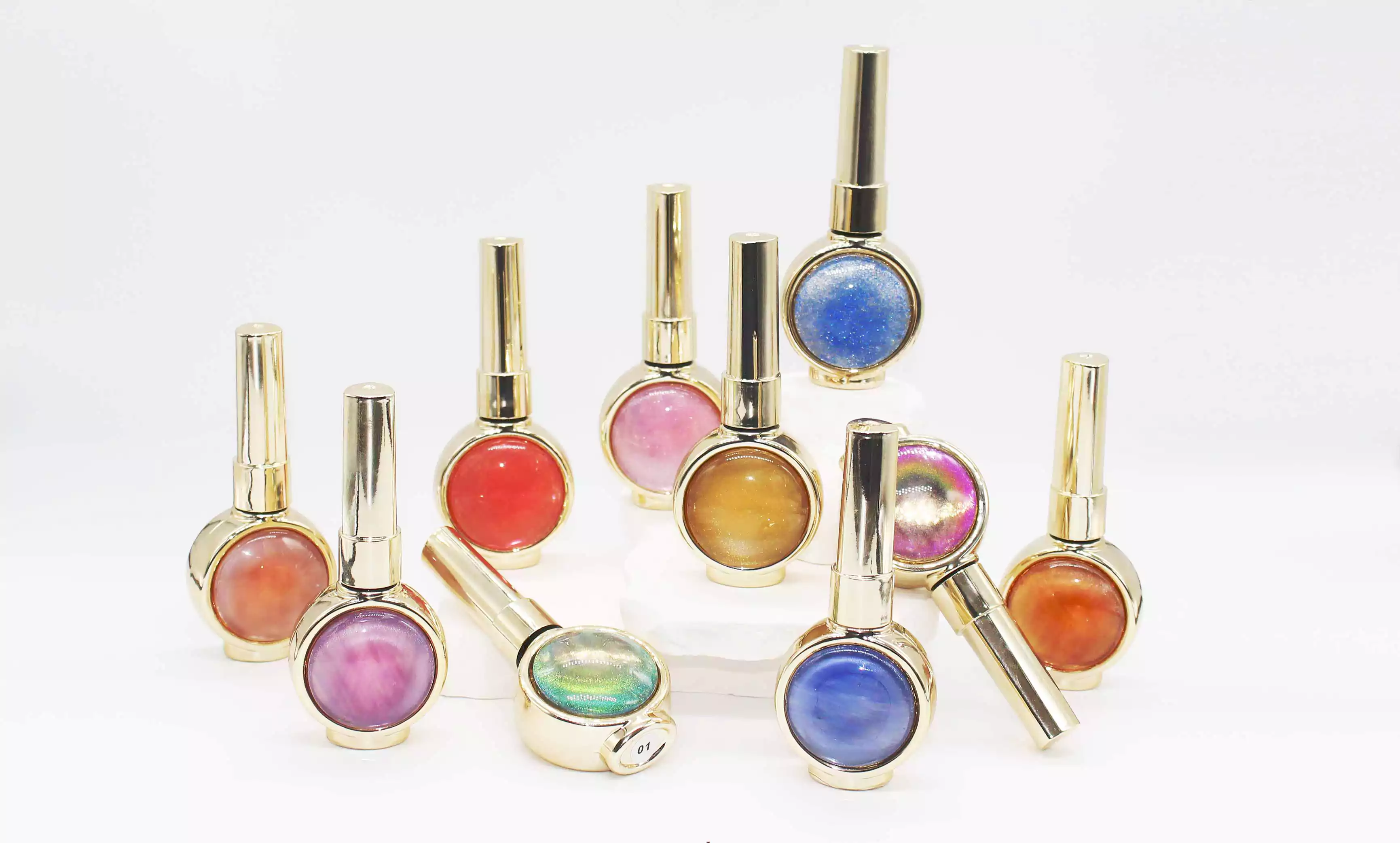 Die Beherrschung grundlegender Kenntnisse der Farbchemie ist entscheidend. Coloristen können Farbstoffe wählen, die sich im Harzsystem auf molekularer Ebene auflösen und gleichmäßig dispergieren (wie Zucker, der sich in heißem Wasser auflöst), oder sie entscheiden sich für feste Partikel, die in den Basispigmenten unlöslich sind. Farbstoffe ergeben hellere, transparente Farbeffekte und eignen sich besonders zum Einfärben transparenter Gelpolituren. Feste Pigmente hingegen sind besser geeignet, um stark gesättigte, halbtransparente oder opake Farbtöne zu erzielen.
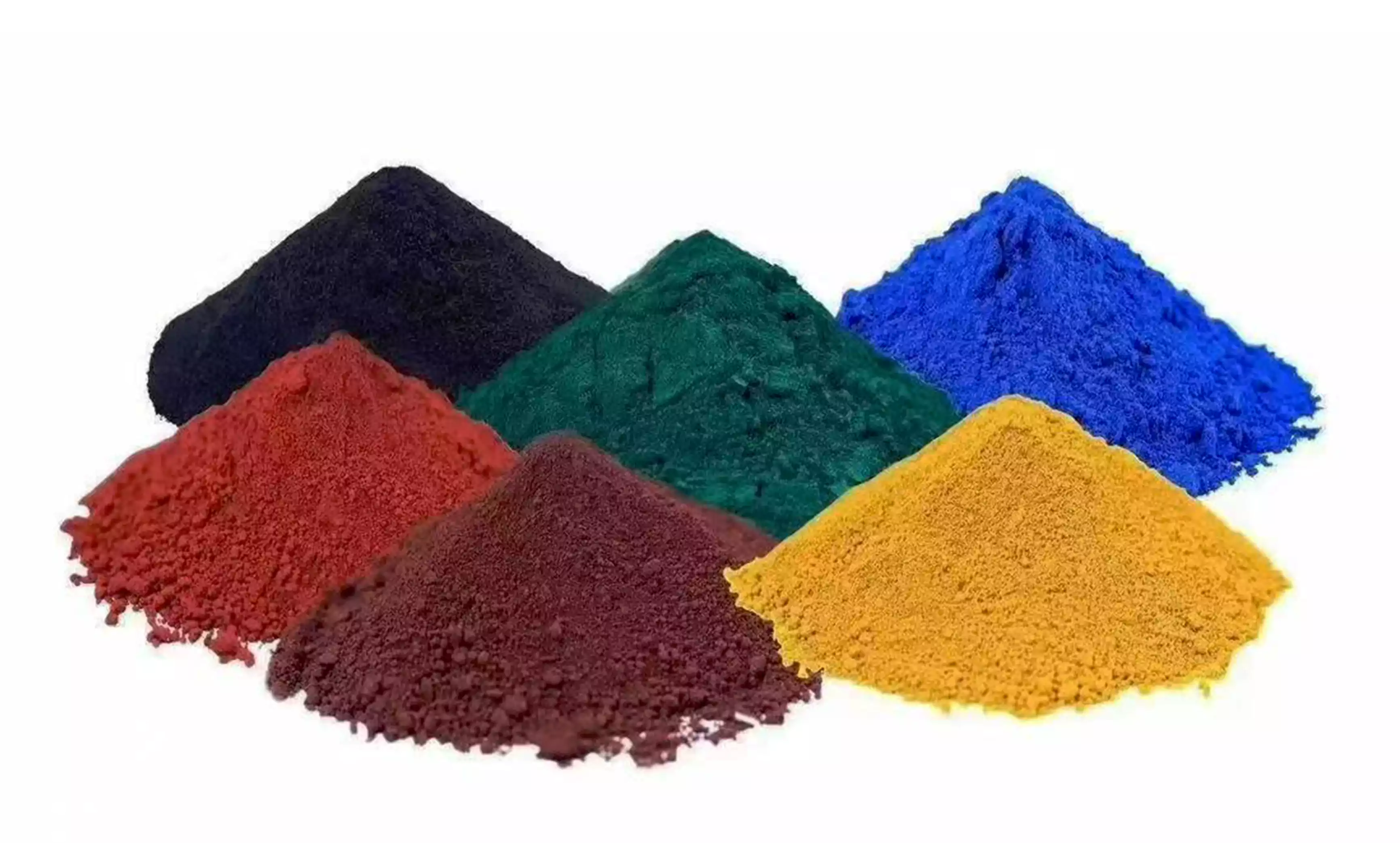
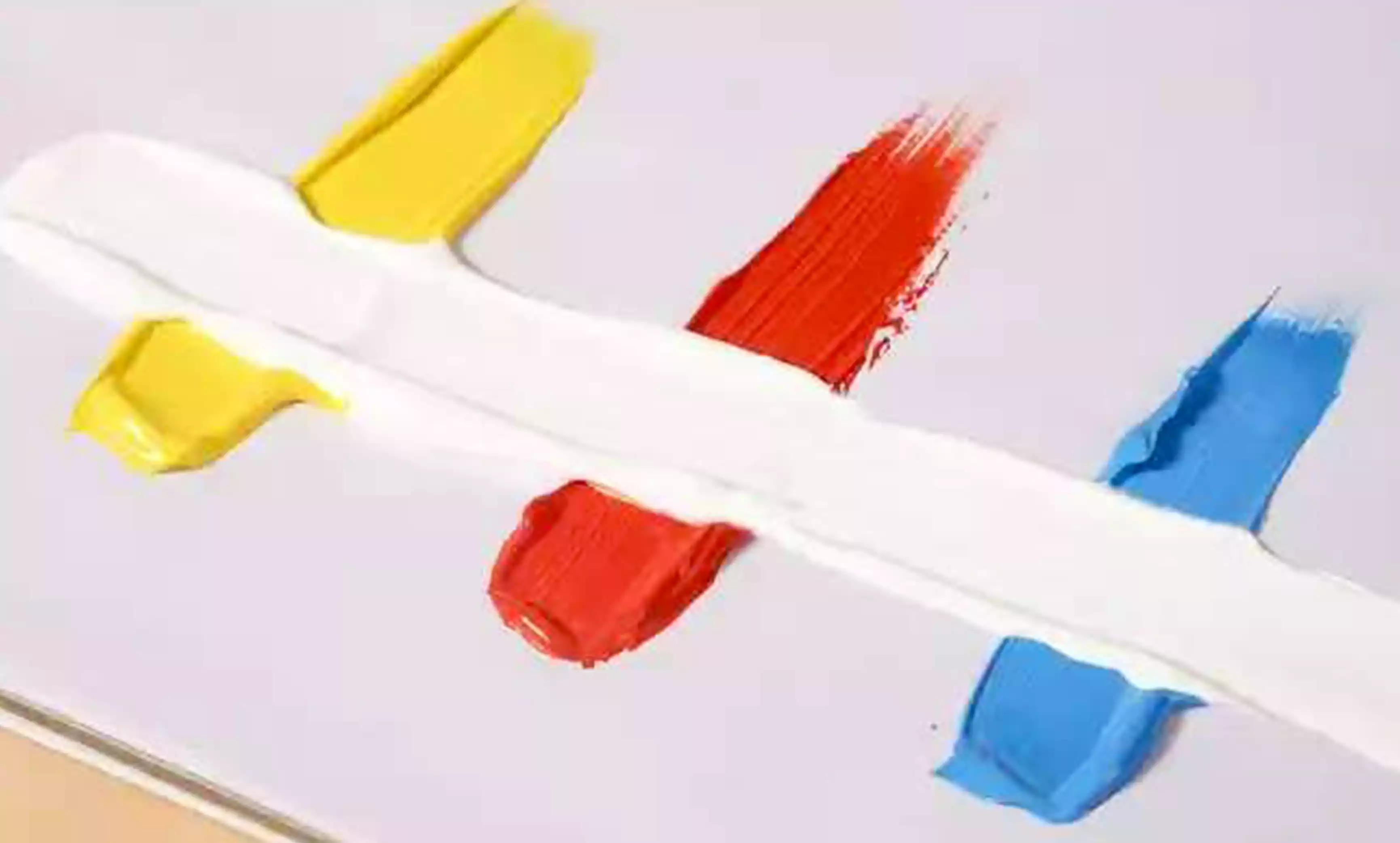 In den letzten Jahren haben aufgrund von Beschränkungen für bestimmte metallische Bestandteile immer mehr Anwender organische Farbstoffe oder Pigmente bevorzugt, während der Anteil anorganischer Pigmente zurückgegangen ist. Bei anorganischen Pigmenten handelt es sich in der Regel um fein gemahlene Metallverbindungen, die eine ausgezeichnete Lichtechtheit aufweisen, deren Farbintensität, Tönungsstärke und Helligkeit jedoch in der Regel hinter den organischen Pigmenten zurückbleibt. Zu den gängigen anorganischen Pigmenten gehören Metalloxide wie Eisen, Titan und Kobalt sowie anorganische Salze wie Ultramarinblau, Zinksulfid und Bariumsulfat. Im Gegensatz dazu werden organische Pigmente als organische molekulare Mikropulver in Reaktoren synthetisiert, wobei ihre optischen Eigenschaften und ihre thermische Stabilität je nach chemischer Struktur und funktionellen Gruppen erheblich variieren. Organische Pigmente bieten eine große Vielfalt und eine breite Farbauswahl, wobei die meisten eine hohe Helligkeit und Tönungsstärke aufweisen. Auch die Partikelgröße beeinflusst die Leistung: Kleinere Partikel ergeben eine höhere Transparenz und Farbstärke, während größere Partikel eine schlechtere Transparenz und geringere Farbintensität bewirken.
 When selecting pigment types suitable for gel polish, the primary consideration is the chemical structure of the base resin. Even resins with similar chemical compositions—such as those from different manufacturers or origins—may react differently to colorants due to variations in synthesis pathways or purity.
Generally, highly transparent color effects are more commonly observed in non-crystalline (or amorphous) resin systems. For certain resins with crystallization tendencies, a significant amount of energy (heat) must be absorbed during curing to induce a phase transition and convert them into a low-viscosity flow state. Consequently, pigments used with such resins require higher thermal stability. This also explains why color differences often occur when recycled material is mixed with new resin—pigments in recycled material degrade due to their longer thermal history. In contrast, amorphous resins possess greater free volume, making them more capable of accommodating dye molecules and maintaining a solution state. This reduces the likelihood of surface precipitation or mold fouling.
When selecting pigment types suitable for gel polish, the primary consideration is the chemical structure of the base resin. Even resins with similar chemical compositions—such as those from different manufacturers or origins—may react differently to colorants due to variations in synthesis pathways or purity.
Generally, highly transparent color effects are more commonly observed in non-crystalline (or amorphous) resin systems. For certain resins with crystallization tendencies, a significant amount of energy (heat) must be absorbed during curing to induce a phase transition and convert them into a low-viscosity flow state. Consequently, pigments used with such resins require higher thermal stability. This also explains why color differences often occur when recycled material is mixed with new resin—pigments in recycled material degrade due to their longer thermal history. In contrast, amorphous resins possess greater free volume, making them more capable of accommodating dye molecules and maintaining a solution state. This reduces the likelihood of surface precipitation or mold fouling.
 The choice of colorants also depends on whether the gel polish resin is a homopolymer or a copolymer. Homopolymers can be crystalline or amorphous, and suitable colorants can still be uniformly distributed. However, copolymers—especially block copolymers or crosslinked rubber particles found in acrylic-modified systems—may exhibit microphase separation structures that hinder colorant penetration into the rubber phase. This can result in uneven coloration or a whitish appearance.
When using dyes to color gel polish, their compatibility with the resin is particularly crucial. The refractive index of the resin is another factor to consider, as it affects the path light takes through the material. For example, aliphatic resins (such as certain acrylics) have a lower refractive index, while aromatic resins (such as some modified epoxies or polyurethanes) have a higher refractive index. When resins with different refractive indices are blended, light scattering increases, potentially causing the material to appear milky or translucent.
Additionally, colorants may also affect the curing properties and final physical characteristics of gel polish. Certain pigments can significantly reduce the material’s light stability or thermal stability. For example, titanium dioxide may affect the thermal stability of polyester and polyurethane systems, while iron-based pigments may reduce the stability of chlorinated resins. Inappropriate titanium dioxide selection may even weaken the gel polish’s UV resistance. Similarly, the chemical reactivity of resin end groups may alter the chemical state of certain colorants, causing color changes.
The choice of colorants also depends on whether the gel polish resin is a homopolymer or a copolymer. Homopolymers can be crystalline or amorphous, and suitable colorants can still be uniformly distributed. However, copolymers—especially block copolymers or crosslinked rubber particles found in acrylic-modified systems—may exhibit microphase separation structures that hinder colorant penetration into the rubber phase. This can result in uneven coloration or a whitish appearance.
When using dyes to color gel polish, their compatibility with the resin is particularly crucial. The refractive index of the resin is another factor to consider, as it affects the path light takes through the material. For example, aliphatic resins (such as certain acrylics) have a lower refractive index, while aromatic resins (such as some modified epoxies or polyurethanes) have a higher refractive index. When resins with different refractive indices are blended, light scattering increases, potentially causing the material to appear milky or translucent.
Additionally, colorants may also affect the curing properties and final physical characteristics of gel polish. Certain pigments can significantly reduce the material’s light stability or thermal stability. For example, titanium dioxide may affect the thermal stability of polyester and polyurethane systems, while iron-based pigments may reduce the stability of chlorinated resins. Inappropriate titanium dioxide selection may even weaken the gel polish’s UV resistance. Similarly, the chemical reactivity of resin end groups may alter the chemical state of certain colorants, causing color changes.
 In all cases, the functional performance of the gel polish should be prioritized, with color design tailored to specific application requirements. Colorants may also impact the physical properties of the gel polish coating: pigment particles can act as stress concentration points, reducing the material’s tensile strength, elongation, and impact resistance—particularly critical in flexible gel polish applications demanding high resilience. Appropriate pigment and formulation design can mitigate these negative effects, typically limiting performance degradation to within 10%.
Certain pigment-dye-resin combinations may also induce “photo-softening,” where products gradually lose strength and toughness under sunlight exposure. For instance, using uncoated titanium dioxide or iron-based pigments in certain UV-curable resins, or specific metal complex pigments in polyurethane acrylates, presents significant formulation challenges. Resins with sensitive thermal stability may also be affected by trace metals—commonly found in metal complex dyes, lake pigments, and non-synthetic inorganic pigments.
For optimal formulations, prioritize light and thermal stability requirements before addressing color matching. Consider the rheological behavior of colorants early in development, as later adjustments incur higher costs. For instance, high-load pigments like carbon black and calcium carbonate may increase system viscosity, while solvent-based dyes or certain liquid pigment carriers may reduce it. Any colorant or additive that may cause polymer degradation will also lead to viscosity reduction.
Generally, lower-cost pigments often exhibit poorer stability, meaning the lowest-cost formulation isn’t necessarily the most stable choice—any savings in raw material costs may be offset by reduced product yield. Multiple pigments also influence shrinkage and warping behavior in gel polish. For example, commonly used phthalocyanine green and blue may affect semi-crystalline behavior due to their nucleation effects, causing uneven shrinkage. Computer simulations of rheological behavior can predict such outcomes, aiding in formulation adjustments prior to production.
In all cases, the functional performance of the gel polish should be prioritized, with color design tailored to specific application requirements. Colorants may also impact the physical properties of the gel polish coating: pigment particles can act as stress concentration points, reducing the material’s tensile strength, elongation, and impact resistance—particularly critical in flexible gel polish applications demanding high resilience. Appropriate pigment and formulation design can mitigate these negative effects, typically limiting performance degradation to within 10%.
Certain pigment-dye-resin combinations may also induce “photo-softening,” where products gradually lose strength and toughness under sunlight exposure. For instance, using uncoated titanium dioxide or iron-based pigments in certain UV-curable resins, or specific metal complex pigments in polyurethane acrylates, presents significant formulation challenges. Resins with sensitive thermal stability may also be affected by trace metals—commonly found in metal complex dyes, lake pigments, and non-synthetic inorganic pigments.
For optimal formulations, prioritize light and thermal stability requirements before addressing color matching. Consider the rheological behavior of colorants early in development, as later adjustments incur higher costs. For instance, high-load pigments like carbon black and calcium carbonate may increase system viscosity, while solvent-based dyes or certain liquid pigment carriers may reduce it. Any colorant or additive that may cause polymer degradation will also lead to viscosity reduction.
Generally, lower-cost pigments often exhibit poorer stability, meaning the lowest-cost formulation isn’t necessarily the most stable choice—any savings in raw material costs may be offset by reduced product yield. Multiple pigments also influence shrinkage and warping behavior in gel polish. For example, commonly used phthalocyanine green and blue may affect semi-crystalline behavior due to their nucleation effects, causing uneven shrinkage. Computer simulations of rheological behavior can predict such outcomes, aiding in formulation adjustments prior to production.
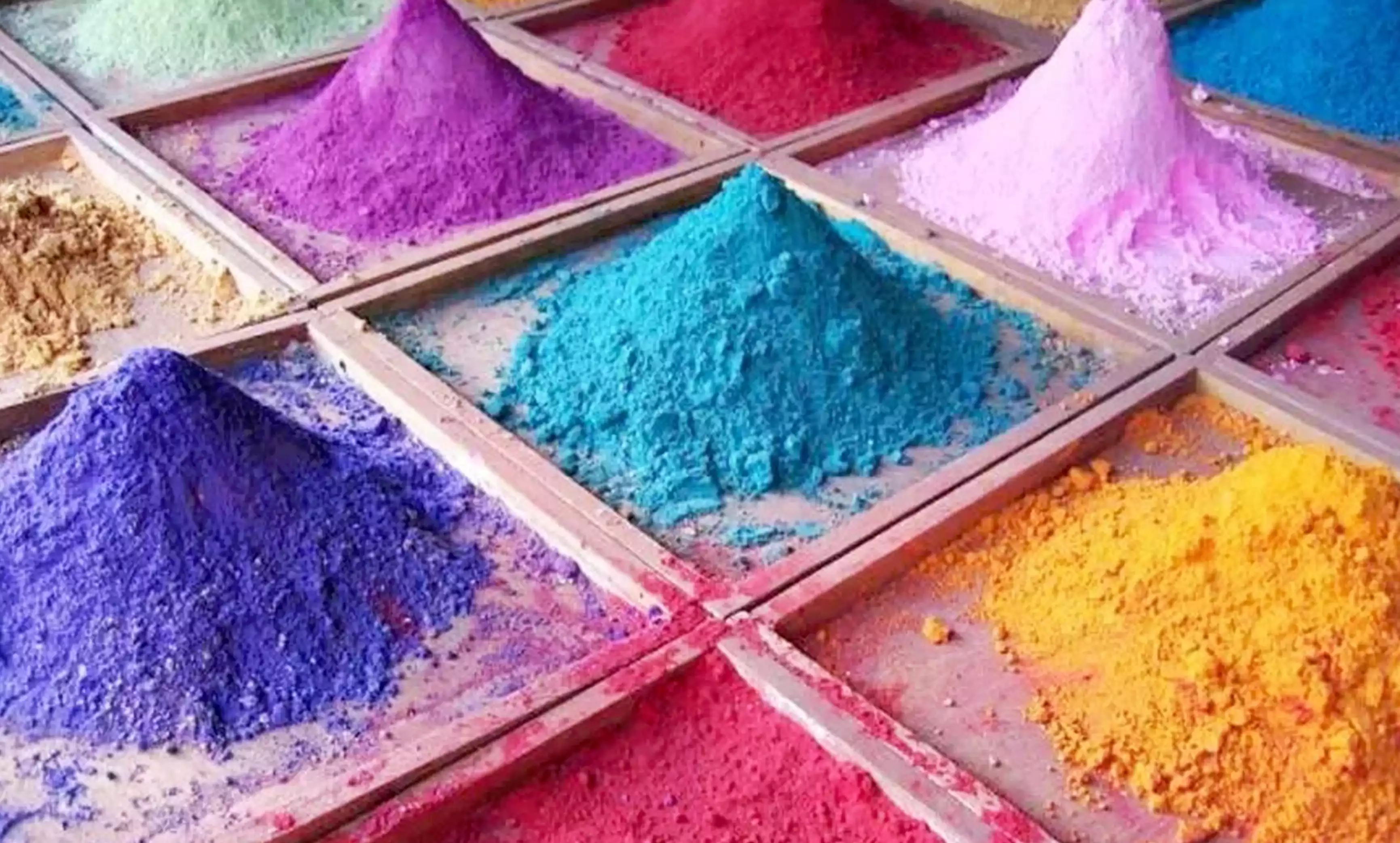 Pigments also influence the light-curing response characteristics, heat absorption, and conduction patterns of gel polish. For instance, carbon black rapidly absorbs and conducts heat, while ceramic pigments may retain heat longer. Specially formulated aluminum powders can reflect heat. These thermal behaviors directly impact curing time, coating dimensional stability, and the effectiveness of subsequent processes such as inlay decoration or splicing. Relying solely on curing parameters for uncolored gel polish during production may lead to efficiency losses or even production failures due to thermal cond uctivity changes introduced by colorants.
Addressing color considerations late in product development significantly increases costs. Failing to integrate color and additive systems early in the design and material selection phase hinders maximizing gel polish product value. Attempting to cut costs by simply selecting low-cost colorants often creates process obstacles and performance risks. Conversely, close collaboration with experienced color suppliers facilitates smoother formulation optimization, achieving harmony between color effects and functional stability.
Therefore, nail polish gel manufacturers and their clients are advised to actively leverage color consultation services offered by major color suppliers. Through laboratory analysis, rheological simulation, and performance testing, potential risks can be identified before large-scale production, enabling the development of more robust, cost-effective, and market-responsive color solutions.
Pigments also influence the light-curing response characteristics, heat absorption, and conduction patterns of gel polish. For instance, carbon black rapidly absorbs and conducts heat, while ceramic pigments may retain heat longer. Specially formulated aluminum powders can reflect heat. These thermal behaviors directly impact curing time, coating dimensional stability, and the effectiveness of subsequent processes such as inlay decoration or splicing. Relying solely on curing parameters for uncolored gel polish during production may lead to efficiency losses or even production failures due to thermal cond uctivity changes introduced by colorants.
Addressing color considerations late in product development significantly increases costs. Failing to integrate color and additive systems early in the design and material selection phase hinders maximizing gel polish product value. Attempting to cut costs by simply selecting low-cost colorants often creates process obstacles and performance risks. Conversely, close collaboration with experienced color suppliers facilitates smoother formulation optimization, achieving harmony between color effects and functional stability.
Therefore, nail polish gel manufacturers and their clients are advised to actively leverage color consultation services offered by major color suppliers. Through laboratory analysis, rheological simulation, and performance testing, potential risks can be identified before large-scale production, enabling the development of more robust, cost-effective, and market-responsive color solutions.
Related product references: For formulation review or sourcing comparison, see CHROMÉCLAIR HEMA-free & TPO-free Gel Polish und CHLUMINIT TMO.