
How do you choose paint?
Hello everyone! I’m a star employee at CHROMÉCLAIR, a brand of hema free gel polish brands.Pigments are specialized materials used to color other substances. These materials are used in a wide variety of applications in life and industry. Based on their unique chemical and physical properties, pigments are primarily divided into two categories: organic pigments and inorganic pigments. Pigment Classification and Definition
Pigments can be divided into two main categories based on their chemical composition: organic and inorganic. Organic pigments are primarily carbon-based compounds, including various carbon ring and carbon chain structures, such as naphthol, azo, and phthalocyanine. Inorganic pigments, on the other hand, are primarily composed of oxides and sulfides of metals and non-metals, such as iron oxide pigments, titanium dioxide, and various metal oxides.
Pigment Classification and Definition
Pigments can be divided into two main categories based on their chemical composition: organic and inorganic. Organic pigments are primarily carbon-based compounds, including various carbon ring and carbon chain structures, such as naphthol, azo, and phthalocyanine. Inorganic pigments, on the other hand, are primarily composed of oxides and sulfides of metals and non-metals, such as iron oxide pigments, titanium dioxide, and various metal oxides.
 Key Factors in Pigment Selection
When choosing between organic and inorganic pigments, the following key factors should be considered to ensure the pigment is suitable for the specific application requirements:
Key Factors in Pigment Selection
When choosing between organic and inorganic pigments, the following key factors should be considered to ensure the pigment is suitable for the specific application requirements:
 01
Transparency and Hiding Power
Organic pigments: They generally have high transparency and are suitable for applications requiring transparent or translucent effects.
Inorganic pigments: They generally have good hiding power and are suitable for applications requiring good coverage.
02
Dispersibility
Organic pigments: They have good dispersibility and can be evenly dispersed in a variety of media, but may require the use of an appropriate dispersant.
Inorganic pigments: They can be more difficult to disperse evenly, especially in water-based systems, and may require special handling or formulation adjustments.
03
Environmental Protection
Organic pigments: Some organic pigments may contain hazardous substances, such as residual organic solvents, and their environmental and health impacts must be considered.
Inorganic pigments: There is a higher risk of containing heavy metals, such as lead and cadmium, which may pose a threat to the environment and human health.
01
Transparency and Hiding Power
Organic pigments: They generally have high transparency and are suitable for applications requiring transparent or translucent effects.
Inorganic pigments: They generally have good hiding power and are suitable for applications requiring good coverage.
02
Dispersibility
Organic pigments: They have good dispersibility and can be evenly dispersed in a variety of media, but may require the use of an appropriate dispersant.
Inorganic pigments: They can be more difficult to disperse evenly, especially in water-based systems, and may require special handling or formulation adjustments.
03
Environmental Protection
Organic pigments: Some organic pigments may contain hazardous substances, such as residual organic solvents, and their environmental and health impacts must be considered.
Inorganic pigments: There is a higher risk of containing heavy metals, such as lead and cadmium, which may pose a threat to the environment and human health.
 04
Thermal Stability
Organic pigments generally have low thermal stability and are not suitable for use in high-temperature environments.
Inorganic pigments have high thermal stability and are suitable for applications requiring high-temperature use.
05
Acid and Alkali Resistance
Organic pigmentshave poor acid and alkali resistance and may fade or discolor in extremely acidic or alkaline environments.
Inorganic pigmentsgenerally have better acid and alkali resistance and are more suitable for use in harsh chemical environment.
06
Tinting Strength
Organic pigments: They have higher tinting strength, allowing for bright, vibrant colors to be achieved with a smaller amount.
Inorganic pigments: They generally have lower tinting strength, requiring more pigment to achieve the same color intensity.
04
Thermal Stability
Organic pigments generally have low thermal stability and are not suitable for use in high-temperature environments.
Inorganic pigments have high thermal stability and are suitable for applications requiring high-temperature use.
05
Acid and Alkali Resistance
Organic pigmentshave poor acid and alkali resistance and may fade or discolor in extremely acidic or alkaline environments.
Inorganic pigmentsgenerally have better acid and alkali resistance and are more suitable for use in harsh chemical environment.
06
Tinting Strength
Organic pigments: They have higher tinting strength, allowing for bright, vibrant colors to be achieved with a smaller amount.
Inorganic pigments: They generally have lower tinting strength, requiring more pigment to achieve the same color intensity.
 07
Pigment Interactions
Organic pigments may be more susceptible to chemical reactions when mixed with other chemicals, so formulation compatibility must be carefully considered when using them.
Inorganic pigments are generally more chemically stable and less likely to interact with other pigments or additives, but specific circumstances still require consideration.
Pigment Application Comparison
Organic pigments typically offer vibrant colors and good clarity, but they may fade quickly in the presence of light or chemicals. They are suitable for applications requiring intense color effects, such as printing and artwork.
Inorganic pigments due to their generally greater chemical and physical stability, offer good covering power and opacity, making them suitable for architectural coatings and outdoor applications, such as exterior paints and road markings.
Conclusion
Choosing the right pigment requires a comprehensive consideration of its physical and chemical properties. Understanding the advantages and disadvantages of each pigment can help users make informed choices based on their specific application needs, optimizing product performance and durability.
We hope this article will help you understand pigments more easily!
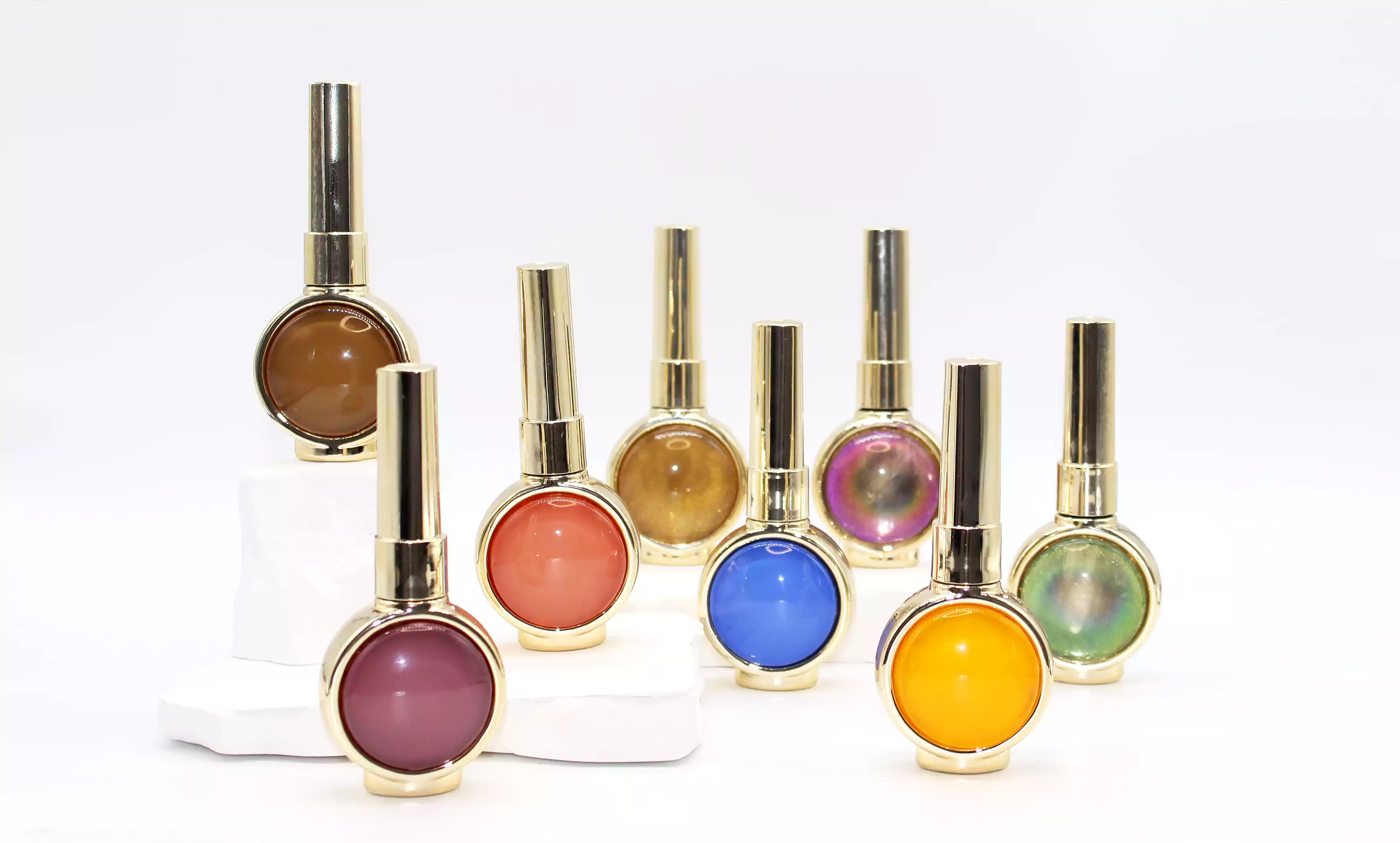
CHROMÉCLAIR offers Base coats, Top coats, solid color gel polish without HEMA, and hema free cat eye gel polish.
07
Pigment Interactions
Organic pigments may be more susceptible to chemical reactions when mixed with other chemicals, so formulation compatibility must be carefully considered when using them.
Inorganic pigments are generally more chemically stable and less likely to interact with other pigments or additives, but specific circumstances still require consideration.
Pigment Application Comparison
Organic pigments typically offer vibrant colors and good clarity, but they may fade quickly in the presence of light or chemicals. They are suitable for applications requiring intense color effects, such as printing and artwork.
Inorganic pigments due to their generally greater chemical and physical stability, offer good covering power and opacity, making them suitable for architectural coatings and outdoor applications, such as exterior paints and road markings.
Conclusion
Choosing the right pigment requires a comprehensive consideration of its physical and chemical properties. Understanding the advantages and disadvantages of each pigment can help users make informed choices based on their specific application needs, optimizing product performance and durability.
We hope this article will help you understand pigments more easily!
CHROMÉCLAIR offers Base coats, Top coats, solid color gel polish without HEMA, and hema free cat eye gel polish.
 Their website also features nail art tutorials, such as:
Get a Autumn & Winter Manicure At-Home Manicure in 4 Easy Steps
How to Do the Croixin Nail Art at Home?
Related product references: For formulation review or sourcing comparison, see CHROMÉCLAIR HEMA-free & TPO-free Gel Polish and CHLUMINIT TMO.