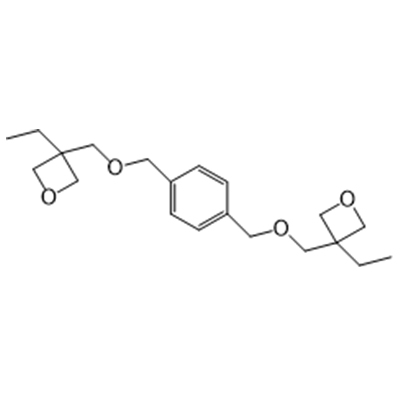
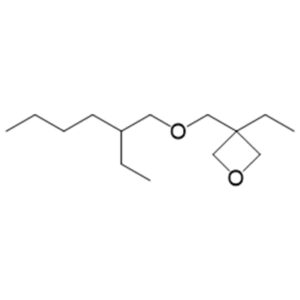
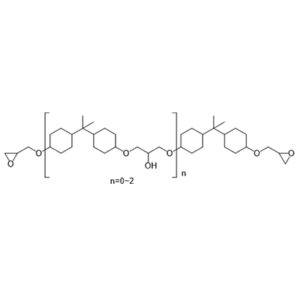
1. Revêtements cationiques à séchage UV/thermique :
Utilisé comme monomère de réticulation ou diluant réactif dans les systèmes de revêtements cationiques à séchage UV/thermique, il réduit la viscosité et augmente la densité de réticulation du produit durci. Le revêtement durci présente une excellente résistance chimique, une résistance aux intempéries et une bonne adhérence, ce qui le rend adapté à la protection industrielle et à la décoration de substrats tels que les métaux, les plastiques et le bois, en particulier pour les revêtements nécessitant une résistance élevée aux intempéries et un faible jaunissement.
2. Matériaux électroniques et fabrication de circuits imprimés :
Utilisé dans les encres pour masques de soudure de circuits imprimés, les matériaux d'encapsulation des composants électroniques et les revêtements isolants, le matériau durci présente des propriétés diélectriques stables, une excellente isolation et une résistance à l'humidité et à la chaleur, ce qui garantit le fonctionnement stable des dispositifs électroniques dans des conditions de travail complexes. Il convient à l'emballage microélectronique et au traitement de précision des cartes de circuits imprimés.
3. Préparation du matériel optique :
Appliqué dans des domaines tels que les films optiques et les adhésifs optiques, il réduit le retrait du volume de polymérisation, améliore la stabilité dimensionnelle et la transmission de la lumière des composants optiques, répondant ainsi aux exigences de haute précision et de haute transparence des lentilles optiques et des dispositifs d'affichage.
4. Photorésines et traitement microélectronique :
En tant que composant de réticulation ou matrice de résine pour les résines photosensibles, il est compatible avec les procédés de photolithographie i-line, KrF et autres, ce qui facilite la préparation de modèles à haute résolution. Il convient au traitement de précision des puces à semi-conducteurs et des dispositifs microélectroniques, améliorant ainsi l'intégration et la fiabilité des dispositifs.
5. Adhésifs et produits d'étanchéité spécialisés :
Utilisé dans la préparation d'adhésifs et de produits d'étanchéité à durcissement cationique, il améliore la fluidité et la mouillabilité du produit, renforçant la force d'adhérence et l'effet d'étanchéité sur des substrats tels que les métaux, les céramiques et les plastiques techniques. Il convient au collage structurel et à l'étanchéité dans les secteurs industriels haut de gamme tels que l'aérospatiale et l'automobile.
6. Matériaux composites Résines matricielles :
Combiné à des fibres de verre, des fibres de carbone, etc., il est utilisé pour préparer des matériaux composites de haute performance, améliorant la résistance mécanique, la résistance au vieillissement et la fluidité de traitement des matériaux. Il convient à la préparation de composants structurels dans l'aérospatiale, le transport ferroviaire et d'autres domaines où les exigences en matière de performance globale des matériaux sont strictes.
7. Modification et synthèse des résines :
Il peut être utilisé comme monomère modificateur dans la synthèse et la modification des résines époxy, des résines polyester, etc., réduisant la viscosité du système et améliorant la flexibilité, la résistance aux intempéries et la résistance chimique du produit durci. Il convient à la mise au point de systèmes de résine répondant à des exigences de performance élevées.