
Os pigmentos são tóxicos?
Olá a todos! Sou uma funcionária estrela da CHROMÉCLAIR, uma marca de esmalte em gel sem hema.Here are some questions and answers about pigments that I’ve compiled. I hope this helps you. Are pigments toxic? Generally speaking, the environmental friendliness of pigments is relative. It is evaluated based on different industry standards to determine compliance with environmental requirements. Typically, pigments are considered environmentally friendly if their harmful components—that is, their toxicity—are restricted within certain limits (meeting a specific standard), thereby posing no threat to human health or causing environmental pollution.Abaixo estão os critérios de avaliação de toxicidade para pigmentos inorgânicos/orgânicos.
- Os pigmentos são classificados principalmente como orgânicos ou inorgânicos com base em sua composição química, e sua toxicidade difere de acordo com isso. Os critérios para determinar se um pigmento é ecologicamente correto também variam.
- Para pigmentos inorgânicos, os principais indicadores de avaliação de toxicidade são oito metais pesados: antimônio, arsênico, bário, cádmio, cromo, chumbo, mercúrio e selênio.
 Há dois métodos de avaliação:
One involves testing the heavy metal content of the pigment itself, while the other assesses the leaching of heavy metals after the pigment is incorporated into a product.
Research on the toxicity of organic pigments spans multiple fields, primarily encompassing the following aspects: acute toxicity, skin and mucous membrane irritation, subacute toxicity from repeated exposure, allergenicity, mutagenicity, chronic toxicity, and carcinogenicity.
Since pigments are primarily categorized as organic or inorganic, the key toxicity evaluation metric for inorganic pigments is the content of eight major heavy metals. For organic pigments, toxicity is assessed through acute toxicity, skin and mucous membrane irritation, subacute toxicity from repeated exposure, sensitization, mutagenicity, chronic toxicity, and carcinogenicity.
 Há dois métodos de avaliação:
O que são pigmentos?
A adição de pigmentos aos revestimentos proporciona prevenção contra ferrugem, coloração e poder de cobertura. Os pigmentos reduzem a permeabilidade do filme de revestimento, protegem-no contra raios UV e intempéries e aprimoram suas propriedades mecânicas. Os revestimentos cuidadosamente formulados também podem apresentar propriedades de autolimpeza e anti-calcário. Além de proporcionar o brilho e a cor desejados para os acabamentos, os pigmentos podem controlar os níveis de brilho, pois as partículas de tamanhos variados influenciam significativamente a reflexão da luz. O aumento do tamanho das partículas de pigmento também pode melhorar a adesão aos revestimentos existentes.Tipos comuns de pigmentos
Com base na estrutura química, os pigmentos podem ser classificados em inorgânicos e orgânicos; por função, podem ser categorizados como pigmentos de coloração, pigmentos à prova de ferrugem e pigmentos extensores; e por origem, dividem-se em categorias naturais e sintéticas. Os pigmentos naturais são derivados principalmente de minerais naturais, como o cinábrio e a malaquita. Os pigmentos sintéticos são compostos químicos predominantemente inorgânicos ou orgânicos, como o vermelho de óxido de ferro, o amarelo de cromo e o vermelho de toluidina.Pigmentos orgânicos
Organic pigments possess vibrant colors and vivid hues, but they fall short of inorganic pigments in many properties. For instance, inorganic pigments exhibit greater stability under light exposure and atmospheric conditions, and they can form coating films that protect metals from corrosion. Hundreds of pigment varieties exist, with properties varying by manufacturer, production method, and numerous other factors. Although hazards to humans differ among pigments, all should be considered harmful. Appropriate safety measures must be taken to prevent ingestion or inhalation. For instance, when mixing zinc powder into inorganic zinc-rich coatings, wear a suitable respirator.Forma do pigmento
O formato do pigmento é uma característica fundamental que influencia as propriedades físicas dos revestimentos. As formas comuns incluem:Pigmentos esféricos
Na prática, os pigmentos esféricos são os mais usados. Esses pigmentos são em forma de bloco. Normalmente, são pigmentos de adição de cor (por exemplo, dióxido de titânio) ou pigmentos de sacrifício (por exemplo, zinco metálico).Pigmentos de agulha
Também conhecidos como pigmentos em forma de agulha, como óxido de zinco ou fibras de vidro, que são usados para reforçar e fortalecer o filme de revestimento e, ao mesmo tempo, fornecer cor. No passado, as fibras de amianto eram frequentemente adicionadas aos revestimentos para aumentar a resistência (coesão e alguma tixotropia). Embora não sejam mais usados atualmente, os pigmentos de amianto podem ser encontrados durante reparos de revestimentos ou na remoção de revestimentos existentes.Pigmentos escamosos
Os exemplos incluem mica, flocos de alumínio, flocos de vidro e óxido de ferro micáceo. Esses pigmentos se sobrepõem durante a secagem da tinta, aumentando a densidade do revestimento para evitar a penetração de umidade. Simultaneamente, eles refletem efetivamente os raios ultravioleta nos revestimentos superiores, aumentando a resistência do filme ao envelhecimento. Os pigmentos escamosos são um dos principais componentes de pigmento selecionados para os modernos revestimentos anticorrosivos para serviços pesados.Funções dos pigmentos
As principais funções dos pigmentos são coloração, prevenção de ferrugem e preenchimento:Pigmentos de coloração
 Pigments are the most widely used category of colorants in coatings, primarily serving to provide coverage and decoration. Beyond being insoluble in water, oil, and solvents, they must exhibit vivid and attractive colors, possess strong tinting strength and high hiding power, and demonstrate excellent stability against light and heat.
That’s all for today! I hope this article helps you grasp pigment knowledge more easily!
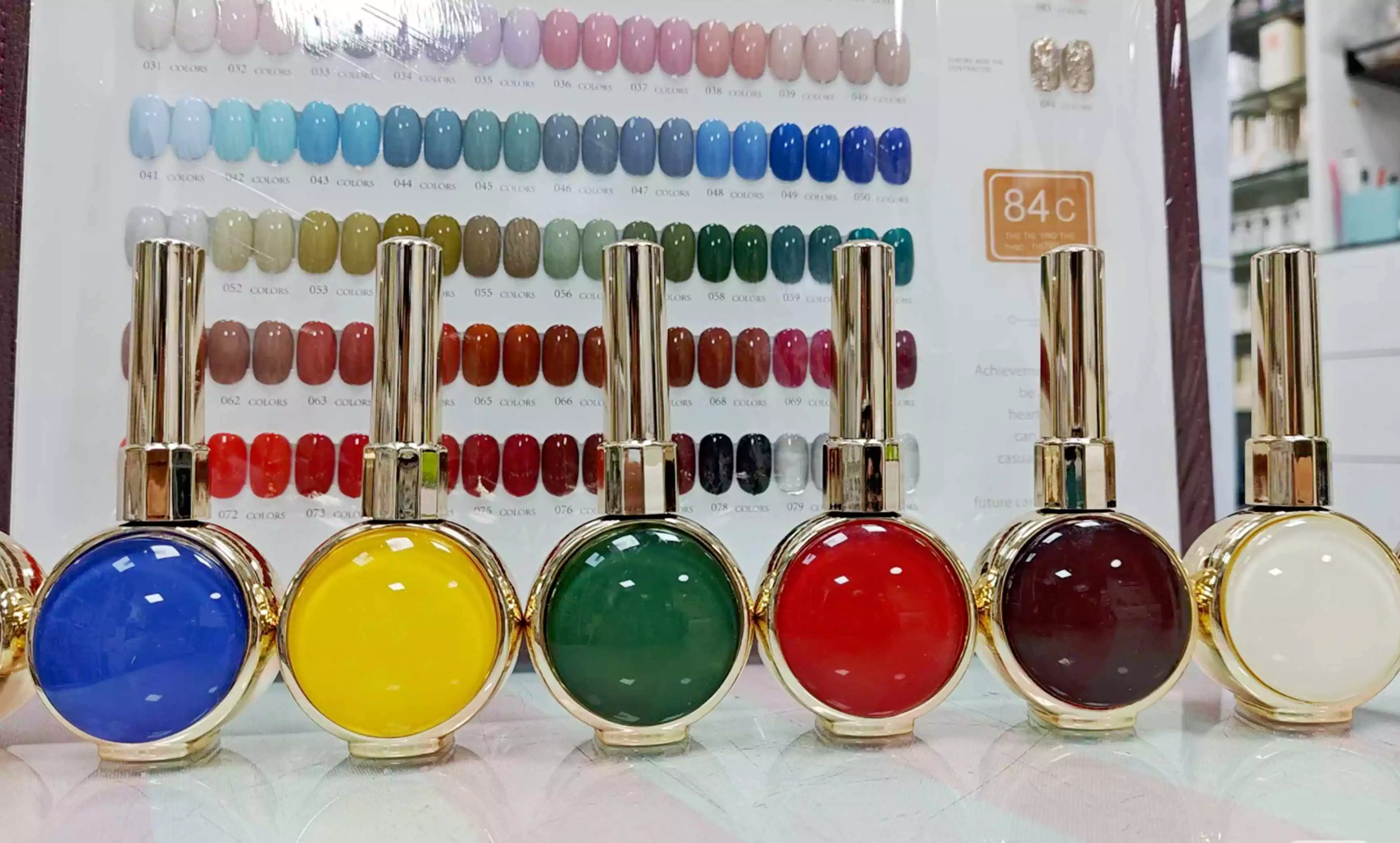
CHROMÉCLAIR offers Base coats, Top coats, solid color polimento em gel sem HEMAe esmalte em gel para olhos de gato sem hema.
Pigments are the most widely used category of colorants in coatings, primarily serving to provide coverage and decoration. Beyond being insoluble in water, oil, and solvents, they must exhibit vivid and attractive colors, possess strong tinting strength and high hiding power, and demonstrate excellent stability against light and heat.
That’s all for today! I hope this article helps you grasp pigment knowledge more easily!
CHROMÉCLAIR offers Base coats, Top coats, solid color polimento em gel sem HEMAe esmalte em gel para olhos de gato sem hema.
 Seu site também apresenta tutoriais de nail art, como:
Como fazer a arte de unhas da Magical Girl em casa?
Faça uma manicure caseira com saia de fada em 4 etapas fáceis!
Related product references: For formulation review or sourcing comparison, see CHLUMIUV 360 e CHLUMIUV UV-1577.