
Best Practices für die Auswahl kationischer Photoinitiatoren in verschiedenen Branchen
Wenn Sie den richtigen Fotoinitiator auswählen, stellen Sie sicher, dass die kationischen Fotoinitiatoren Ihren Materialanforderungen und den Branchenvorschriften entsprechen. Der beste kationische Fotoinitiator sorgt dafür, dass die Produkte besser funktionieren und dass die UV-Härtung gut funktioniert. Denken Sie an diese Dinge:
- Die Aushärtungsgeschwindigkeit beeinflusst, wie schnell etwas hergestellt wird.
- Eine gute Haftung sorgt dafür, dass Beschichtungen und Druckfarben besser funktionieren.
- Geringe Flüchtigkeit und weniger Geruch machen die Arbeit sicherer.
Neue Ideen in der kationischen Chemie, wie die duale Aushärtung und die Nanotechnologie, ermöglichen eine gute Aushärtung und bessere Produkte für viele Anwendungen.
| Art der Innovation | Beschreibung |
|---|---|
| Dual-Cure-Systeme | Die gemeinsame Verwendung von kationischen und radikalischen Fotoinitiatoren führt zu stärkeren Produkten und schnellerer Verarbeitung. |
| UV-LED-Härtungssysteme | Es wird erwartet, dass diese schnell wachsen und Energie und Geld sparen. |
| Ultra-schnell härtende Photoinitiatoren | Diese helfen bei der Herstellung flexibler Schaltungen, die auch bei Hitze stabil bleiben, für tragbare Technologie. |
| Nanotechnologische Lösungen | Diese Fotoinitiatoren helfen bei der Aushärtung kniffliger Formen im 3D-Druck und anderen neuen Herstellungsmethoden. |
Wichtigste Erkenntnisse
- Wählen Sie den besten kationischen Fotoinitiator, damit die Produkte besser funktionieren und die Regeln eingehalten werden. - Vergewissern Sie sich, dass der Fotoinitiator Absorptionswellenlänge passt Ihre UV-Lichtquelle, damit die Aushärtung gut funktioniert. - Denken Sie bei der Auswahl von Fotoinitiatoren an die Sicherheit und den Umweltschutz, um Mitarbeiter und Kunden zu schützen. - Prüfen Sie, ob sich das Produkt gut mischen lässt und mit anderen Produkten zusammenarbeitet, um Probleme wie trübe Beschichtungen und ungleichmäßige Aushärtung zu vermeiden. - Achten Sie bei Ihren Lieferanten auf gute Qualität und Hilfe, damit Ihr Produkt immer gleich gut funktioniert.
Warum die Auswahl des kationischen Photoinitiators wichtig ist
Auswirkungen auf Leistung und Qualität
Die Auswahl der rechter kationischer Photoinitiator hilft Ihrem Produkt, gut zu funktionieren. Kationische Fotoinitiatoren setzen eine Reaktion in Gang, indem sie kationische Spezies bilden. Diese Reaktion funktioniert am besten mit einigen Monomeren wie Epoxiden und Vinylethern. Sie bewirken ein geringeres Schrumpfen und ein stärkeres Verkleben, was für Dinge wie Elektronik, Fahrzeugbeschichtungen und 3D-Druck wichtig ist. Der richtige Fotoinitiator trägt dazu bei, dass Ihre Produkte schnell und gleichmäßig aushärten, was in vielen Branchen erforderlich ist.
Sie können sehen, wie kationische Fotoinitiatoren Ihre ausgehärteten Materialien verändern:
| Eigentum | Wirkung des kationischen Photoinitiators |
|---|---|
| Härte | Wird höher, weil mehr Vernetzungen entstehen |
| Zugfestigkeit | Wird durch gleichmäßige Vernetzung besser |
| Flexibilität | Wird besser, weil die Vernetzung langsamer ist |
| Haftung | Haftet besser auf anderen Oberflächen |
| Umweltresistenz | Widerstandsfähig gegen Hitze, Wasser und UV-Licht |
Bei Verpackungen für Lebensmittel und Medikamente macht der richtige kationische Fotoinitiator die UV-Härtung sicher. Er verringert die Gefahr, dass schädliche Chemikalien in das Produkt gelangen. So können Sie die Sicherheitsvorschriften einhalten und das Vertrauen der Menschen in Ihre Produkte erhalten.
Risiken bei falscher Auswahl
Wenn Sie den falschen kationischen Fotoinitiator wählen, können Sie große Probleme bekommen. Es kann zu schlechter Aushärtung, schwacher Verklebung oder sogar zum Bruch von Produkten kommen. Manchmal können Zahnfüllungen, die mit dem falschen Aushärter hergestellt wurden, in 0,08% bis 6,3% der Zeit versagen. Möglicherweise entsprechen Sie auch nicht den Anforderungen der Industrie, was Ihre Arbeit verlangsamen und mehr Geld kosten kann.
Hinweis: Einige Vorschriften können die Auswahl der zu verwendenden kationischen Fotoinitiatoren einschränken. Einige Chemikalien entsprechen möglicherweise nicht den neuen Vorschriften, Sie müssen sich also informieren. Unternehmen geben oft Geld aus, um sicherere und umweltfreundlichere Alternativen zu finden.
Wenn Ihr kationischer Fotoinitiator nicht zu Ihrer Verwendung passt, zahlen Sie möglicherweise mehr, um die Vorschriften einzuhalten, und verlieren Kunden. Prüfen Sie immer Ihre Auswahl, um diese Probleme zu vermeiden und Ihre Produkte sicher und stabil zu halten.
Wie kationische Photoinitiatoren funktionieren
Überblick über den Photoinitiator-Mechanismus
Es ist wichtig zu wissen wie kationische Photoinitiatoren funktionieren. So können Sie das beste Produkt für Ihre Arbeit auswählen. Bei der UV-Härtung starten sie eine chemische Reaktion, nachdem sie mit UV- oder sichtbarem Licht bestrahlt wurden. Durch diese Reaktion werden flüssige Monomere in feste Polymere umgewandelt. Viele Branchen nutzen dieses Verfahren, z. B. Elektronik, Beschichtungen und 3D-Druck.
Das geschieht folgendermaßen:
- Kationische Photoinitiatoren, auch Photosäuregeneratoren genannt, nehmen UV-Licht auf.
- Der kationische Teil erhält Energie, und der anionische Teil bildet eine starke Säure.
- Die Säure startet die Polymerisation, indem sie die Monomerringe öffnet. Dadurch werden Kettenwachstumsreaktionen ausgelöst.
- Dies ist häufig bei Monomeren auf Epoxidbasis der Fall, z. B. bei cycloaliphatischen Epoxiden.
- Die Reaktion geht von einem Monomer zum anderen über. So entsteht ein starkes, vernetztes Netzwerk.
Tipp: Sie können eine bessere Aushärtung erzielen, wenn Sie den Fotoinitiator auf Ihre Lichtquelle und Ihr Monomer abstimmen.
Typ I vs. Typ II Photoinitiatoren
Es gibt zwei Haupttypen von Photoinitiatoren: Typ I und Typ II. Jeder Typ funktioniert auf seine eigene Weise.
| Typ | Wie es funktioniert | Allgemeine Anwendungsfälle |
|---|---|---|
| Typ I | Bricht nach der Absorption von Licht auseinander und bildet reaktive Ionen | Einsatz in radikalen Systemen |
| Typ II | Benötigt einen Co-Initiator zur Bildung reaktiver Spezies | Verwendung in kationischen Systemen |
Photoinitiatoren vom Typ I zerfallen bei Lichteinfall in zwei Teile. Diese Teile setzen die Reaktion sofort in Gang. Typ-II-Photoinitiatoren benötigen einen Hilfsstoff, einen so genannten Co-Initiator, um die aktive Spezies zu bilden. In kationischen Systemen werden häufig Typ II-Photoinitiatoren verwendet, da sie starke Säuren für die Polymerisation bilden können.
Sie sollten immer prüfen, welcher Typ für Ihr Aushärtungsverfahren geeignet ist. Die Wahl des richtigen Typs hilft Ihnen, schnelle, gleichmäßige und sichere Ergebnisse zu erzielen.
Schlüsselkriterien für kationische Photoinitiatoren
Absorption Wellenlängenanpassung
Sie müssen sicherstellen, dass Ihr kationischer Fotoinitiator passt zum Licht von Ihrem UV-Härtungssystem. Dies trägt dazu bei, dass die Aushärtung gut funktioniert. Wenn der Fotoinitiator das Licht der Lampe nicht absorbiert, funktioniert die Polymerisation nicht richtig. Ältere Fotoinitiatoren funktionieren zum Beispiel mit Quecksilberlampen, weil ihre Absorption zur Lampe passt. UV-LEDs geben längere Wellenlängen ab, so dass viele alte Fotoinitiatoren mit ihnen nicht funktionieren. Dadurch kann sich die Aushärtung verlangsamen und die Produkte werden schlechter.
- Die Anpassung der Absorptionswellenlänge hilft dem Fotoinitiator, das Licht zu nutzen.
- Wenn sie nicht übereinstimmen, kann die Polymerisation schwach oder ungleichmäßig sein.
- Bei UV-LEDs (365-405 nm) werden oft neue Fotoinitiatoren benötigt, weil die alten nicht mehr passen.
Sie sollten immer das Absorptionsspektrum Ihres Fotoinitiators prüfen und es mit Ihrer Lichtquelle vergleichen. So stellen Sie sicher, dass Sie gut aushärtende und feste Produkte erhalten.
Löslichkeit und Kompatibilität
Löslichkeit und Verträglichkeit sind wichtig für Ihre Formel. Kationische Fotoinitiatoren müssen sich in Ihrem Harz- oder Monomergemisch gut auflösen. Eine gute Löslichkeit verhindert trübe oder ungleichmäßige Beschichtungen. Sie müssen auch sicherstellen, dass Ihr Fotoinitiator mit anderen Chemikalien in Ihrem System funktioniert. Kationische Fotoinitiatoren funktionieren mit vielen gängigen Monomeren und Oligomeren. Dadurch lassen sie sich vielseitig einsetzen, z. B. für Photoresists und zur Tiefenhärtung. Ihre breite Wellenlängenaktivierung und Sauerstofftoleranz ermöglichen eine schnelle Polymerisation und hochwertige Ergebnisse.
Wenn Sie sich für einen Fotoinitiator entscheiden, sollten Sie ihn immer mit Ihrer vollständigen Formel testen. So können Sie Probleme wie Phasentrennung oder langsame Aushärtung vermeiden.
Thermische Stabilität und Reaktivität
Thermische Stabilität bedeutet, dass Ihr kationischer Fotoinitiator während der Lagerung und Verwendung hitzebeständig ist. Sie wollen einen Fotoinitiator, der sich nicht zersetzt, bevor Sie ihn verwenden. Eine hohe thermische Stabilität sorgt für die Sicherheit Ihrer Materialien und hilft Ihnen, Abfall zu vermeiden. Die Reaktivität gibt an, wie schnell der Fotoinitiator bei Lichteinwirkung eine kationische Polymerisation einleitet. Sie brauchen ein Gleichgewicht zwischen Stabilität und Reaktivität. Wenn Ihr Fotoinitiator zu langsam reagiert, dauert die Aushärtung länger. Reagiert er zu schnell, verlieren Sie möglicherweise die Kontrolle über den Prozess.
Sie sollten nach Fotoinitiatoren suchen, die eine gute thermische Stabilität und die richtige Reaktivität für Ihre Bedürfnisse aufweisen. So erhalten Sie starke, zuverlässige Produkte.
Kosten- und Sicherheitsüberlegungen
Kosten und Sicherheit sind bei jedem Projekt wichtig. Sie wollen weniger Geld ausgeben, aber die Sicherheit der Arbeiter und Benutzer gewährleisten. Einige kationische Fotoinitiatoren kosten mehr, weil sie reiner sind oder besondere Eigenschaften haben. Sie sollten die Preise vergleichen, sich aber nicht für einen billigeren entscheiden, wenn er nicht sicher ist oder nicht gut funktioniert. Prüfen Sie immer die Sicherheitsdatenblätter für Ihren Fotoinitiator. Achten Sie auf eine geringe Toxizität und ein geringes Risiko schädlicher Nebenprodukte. Die Reinheit wirkt sich sowohl auf die Sicherheit als auch auf die Produktqualität aus. Ein hoher Reinheitsgrad bedeutet weniger unerwünschte Reaktionen und einen sichereren Arbeitsplatz.
Tipp: Wählen Sie immer Fotoinitiatoren mit eindeutigen Sicherheitsdaten und nachgewiesener Erfolgsbilanz in Ihrer Branche.
Flüchtigkeit und Geruch
Flüchtigkeit und Geruch können die Sicherheit am Arbeitsplatz und die Produktqualität beeinträchtigen. Viele Fotoinitiatoren setzen beim Aushärten flüchtige Verbindungen frei. Diese können starke Gerüche und sogar Luftverschmutzung in Innenräumen verursachen. Einige Nebenprodukte, wie Benzaldehyd und Cyclohexanon, können zu Gesundheitsrisiken führen. Es gibt keinen Fotoinitiator, der perfekt reaktiv und emissionsfrei ist. Das bedeutet, dass Sie zwischen Leistung und Sicherheit abwägen müssen. Ungehärtete Monomere in UV-Farben verursachen oft schlechte Gerüche, so dass die Wahl des Fotoinitiators sowohl für den Geruch als auch für die Härtungsqualität von Bedeutung ist.
- Geringe Toxizität und geringer Geruch tragen zur Sicherheit Ihres Arbeitsplatzes bei.
- Flüchtige Nebenprodukte können die Produktqualität beeinträchtigen und Sicherheitsbedenken hervorrufen.
- Die Sauerstoffhemmung kann nicht umgesetzte Chemikalien auf der Oberfläche zurücklassen, die ausgasen und starke Gerüche verursachen können.
Bevor Sie sich für einen Fotoinitiator für sensible Anwendungen entscheiden, sollten Sie ihn immer auf Geruch und Emissionen testen. So können Sie Ihre Mitarbeiter schützen und qualitativ hochwertige Produkte liefern.
Kationische Photoinitiatoren in Anwendungen
Elektronik und Mikroelektronik
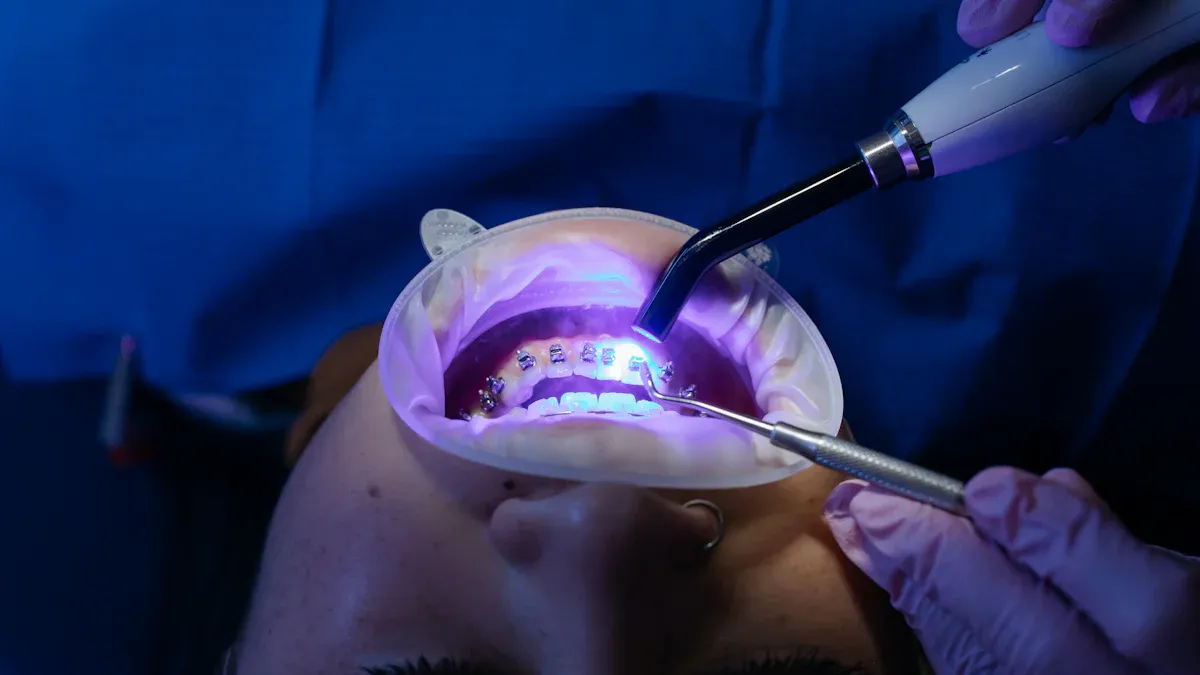
Kationische Fotoinitiatoren helfen bei der Herstellung von Beschichtungen für Leiterplatten und Mikrochips. Diese Beschichtungen halten Wasser und Chemikalien ab. Sie müssen einen Fotoinitiator auswählen die zu Ihrer UV-Lampe passt. So kann jeder Teil der Platte gut aushärten. Der Fotoinitiator sollte sowohl auf Metall als auch auf Kunststoff wirken. Einige, wie der kationische Photoinitiator 250, bilden starke Säuren, wenn sie von UV-Licht getroffen werden. Dadurch wird die Polymerisation in Gang gesetzt und die Beschichtungen können auch unter Sauerstoffeinfluss ausgehärtet werden. Sie erhalten eine bessere Haftung, chemische Beständigkeit und stabile Teile. Diese Eigenschaften tragen dazu bei, dass Elektronik länger hält und besser funktioniert.
Tipp: Stellen Sie sicher, dass Ihr Fotoinitiator an der Luft aushärten kann. Das macht Ihre Arbeit einfacher und zuverlässiger.
Fahrzeugbeschichtungen
Autos und Lastwagen brauchen widerstandsfähige Beschichtungen. Kationische Fotoinitiatoren tragen dazu bei, dass Beschichtungen widerstandsfähig sind und lange halten. Sie tragen dazu bei, dass der Lack auf Metall und Kunststoff haftet. Außerdem bieten sie einen besseren Schutz vor Stößen, Sonnenlicht und Rost. So bleiben die Autos wie neu und sind vor Schäden geschützt. Mit kationischen Fotoinitiatoren lassen sich Beschichtungen schnell aushärten, auch wenn die Oberfläche nass ist oder an der Luft liegt. Eine schnelle Aushärtung spart Zeit und Energie. Sie vermeiden auch Probleme mit Sauerstoff, der die Reaktion unterbricht. Wählen Sie einen Fotoinitiator, der zu Ihrer Lampe passt und mit Ihrem Harz funktioniert. Achten Sie auch auf Geruchsarmut und sichere Anwendung.
| Eigentum | Nutzen für Fahrzeuglacke |
|---|---|
| Haftung | Starke Haftung auf Metall und Kunststoff |
| Schlagzähigkeit | Weniger Schäden durch Stöße und Schläge |
| UV-Stabilität | Behält Farbe und Glanz im Sonnenlicht |
| Korrosionsbeständigkeit | Stoppt Rost und Oberflächenschäden |
Drucktinten
Kationische Photoinitiatoren helfen Tinten trocknen schnell und haften gut. Sie helfen Ihnen, Etiketten und Verpackungen zu drucken, die nicht verschmieren oder sich ablösen. Wählen Sie einen Fotoinitiator, der auf Ihre UV-Lampe abgestimmt ist. Dadurch wird sichergestellt, dass die Tinte auf der Druckmaschine schnell trocknet. Die Farbe sollte nicht vergilben oder schlecht riechen. Er sollte sich gut mit Ihrer Tintenformel mischen lassen. Einige Druckfarben müssen lebensmittelecht sein, achten Sie also immer auf geringe Migration und sichere Inhaltsstoffe.
- Wählen Sie Fotoinitiatoren mit geringem Geruch für Lebensmittel- und Make-up-Verpackungen.
- Testen Sie auf Farbveränderungen, um das Vergilben mit der Zeit zu stoppen.
3D-Druck
Kationische Fotoinitiatoren helfen, Harze beim 3D-Druck Schicht für Schicht auszuhärten. So können Sie starke und detaillierte Teile herstellen. Aber es gibt auch einige Probleme. Manchmal härtet das Harz nicht vollständig aus. Dadurch können giftige Stoffe im gedruckten Teil zurückbleiben. Zu viel Fotoinitiator kann die Reaktion zu früh stoppen, vor allem, wenn Sauerstoff vorhanden ist. Auch die Form Ihres Teils kann die Aushärtung erschweren. Schattige Bereiche erhalten möglicherweise nicht genug Licht und bleiben weich oder klebrig.
- Wenn sie nicht vollständig ausgehärtet werden, können giftige Chemikalien in dem Teil zurückbleiben.
- Zu viel Fotoinitiator kann die Aushärtung vorzeitig beenden.
- Harte Formen können an versteckten Stellen nicht vollständig aushärten.
Sie müssen Ihr Harz und den Fotoinitiator zusammen testen. Prüfen Sie immer, ob das Harz vollständig aushärtet und wenig toxisch ist. So können Sie sichere und stabile 3D-Druckteile herstellen.
Anwendungen für Lebensmittelverpackungen
Lebensmittelverpackungen brauchen sichere und zuverlässige Materialien. Bei der Auswahl eines kationischen Fotoinitiators müssen Sie strenge Regeln beachten. Die FDA hat eine Liste mit der Bezeichnung GRAS (Generally Recognized as Safe). Wenn Ihr Fotoinitiator auf dieser Liste steht, können Sie ihn ohne zusätzliche Schritte verwenden. Wenn nicht, müssen Sie der FDA Sicherheitsdaten übermitteln. Außerdem müssen Sie Ihr Produkt mit Sicherheitsinformationen kennzeichnen. In Europa müssen Sie die REACH-Vorschriften einhalten und Ihren Fotoinitiator bei der ECHA registrieren lassen.
Achten Sie bei der Auswahl eines Fotoinitiators für Lebensmittelverpackungen auf folgende Kriterien:
- Geringe Bewegung in Lebensmittel
- Zulassung auf der GRAS-Liste oder FDA-Petition
- GHS-Sicherheitsetiketten
- REACH-Vorschriften in der EU
Hinweis: Einige kleine Fotoinitiatoren können aus der Verpackung in die Lebensmittel gelangen. Testen Sie immer auf Bewegungen und wählen Sie sichere Optionen.
Kationische Fotoinitiatoren sind in vielen Branchen wichtig. Jede Verwendung erfordert eine sorgfältige Auswahl in Bezug auf Aushärtung, Mischung und Sicherheit. Durch die Wahl des richtigen Fotoinitiators erhalten Sie bessere und sicherere Produkte.
Beschaffung kationischer Photoinitiatoren
Bewertung der Lieferanten
Sie müssen einen Lieferanten wählen, dem Sie vertrauen können. Ein guter Lieferant liefert Ihnen immer die gleiche Qualität. Er hilft Ihnen auch, wenn Sie Fragen haben. Suchen Sie nach Unternehmen mit ISO-Zertifizierung. Diese zeigen, dass der Lieferant wichtige Qualitätsvorschriften einhält. Verlangen Sie Analysezertifikate, um zu prüfen, wie rein das Produkt ist. Gute Lieferanten sprechen klar und deutlich und antworten schnell, wenn Sie Hilfe brauchen. Sie sollten die Sicherheitsvorschriften einhalten und Ihnen Sicherheitsdatenblätter aushändigen. So bleibt Ihr Arbeitsplatz sicher und Sie können die gesetzlichen Vorschriften einhalten.
Tipp: Wählen Sie Lieferanten, die recherchieren und arbeiten mit Sicherheitsgruppen zusammen. Das bedeutet, dass es ihnen wichtig ist, sichere und gute Produkte herzustellen.
Überprüfung der Produktspezifikation
Sie müssen sich vor dem Kauf über die Produktdetails informieren. Jeder Auftrag erfordert andere Dinge. Prüfen Sie die Viskosität, um zu sehen, ob der Fotoinitiator für Sie geeignet ist. Achten Sie auf die Aushärtungstiefe bei dicken Beschichtungen oder 3D-Drucken. Die Shore-Härte gibt Aufschluss darüber, ob das ausgehärtete Teil weich oder hart sein wird. Die Wärmeleitfähigkeit ist wichtig für die Elektronik. Die Durchschlagfestigkeit ist wichtig für Hochspannungsanwendungen. Die Glasübergangstemperatur zeigt, wie flexibel das Material später sein wird.
| Parameter | Beschreibung |
|---|---|
| Viskosität | Ultra-niedrig (50 cP) für tiefe Penetration, hoch (50.000+ cP) für spezielle Anwendungen. |
| Tiefe der Aushärtung | Über 12 mm in einer Belichtung, je nach Transparenz und Licht. |
| Shore-Härte | Weiche Elastomere (Shore A 30) bis hin zu harten Typen (Shore D 85). |
| Wärmeleitfähigkeit | Keramisch gefüllte Sorten helfen bei der Wärmeentwicklung. |
| Dielektrische Festigkeit | Gemessen in kV/mm, erforderlich für die Isolierung. |
| Glasübergangstemperatur | Zeigt Flexibilität, Reichweite und Zuverlässigkeit. |
Qualitätssicherung
Sie wollen, dass jede Charge die gleiche Qualität hat. Spitzenunternehmen verwenden grüne Methoden, um dem Planeten zu helfen. Sie geben Geld aus, um ihre Produkte zu verbessern. Die Zusammenarbeit mit Sicherheitsgruppen hilft ihnen, die Vorschriften einzuhalten. Prüfung auf ISO-Zertifizierungen und strenge Qualitätskontrollen. Fragen Sie nach Sicherheitsdaten und vergewissern Sie sich, dass der Lieferant die weltweiten Standards erfüllt.
- Wählen Sie Produkte, die sehr rein sind, wie 98% oder mehr.
- Fragen Sie nach Analysezertifikaten und Sicherheitsdatenblättern.
- Vergleichen Sie Preise und Zahlungsmöglichkeiten, aber achten Sie vor allem auf Qualität.
- Wählen Sie Anbieter, die gute Hilfe und klare Antworten geben.
Hinweis: Gute Kaufentscheidungen helfen Ihnen, sichere, starke und hochwertige kationische Fotoinitiatoren zu erhalten.
Sie können den besten kationischen Fotoinitiator auswählen, indem Sie seine Eigenschaften überprüfen. Erstellen Sie eine Checkliste, um Absorption, Sicherheit und Kosten zu vergleichen. Bitten Sie Lieferanten und Experten um Hilfe. Sie haben viele Produkte und können spezielle Lösungen anbieten. Sie führen auch strenge Qualitätskontrollen durch:
| Nutzen Sie | Beschreibung |
|---|---|
| Vielfältiges Produktportfolio | Die Anbieter haben eine große Auswahl für Ihren Bedarf. |
| Anpassungsfähigkeit | Experten können Fotoinitiatoren speziell für Sie entwickeln. |
| Qualitätssicherung | Durch sorgfältige Kontrollen bleiben die Produkte rein und stabil. |
| F & E-Fähigkeit | Teams erfinden neue Wege, damit Dinge besser funktionieren. |
| Fachwissen über Anwendungen | Unternehmen bieten Beratung für Ihre Projekte. |
Ihre Entscheidung kann sich darauf auswirken, wie sicher und recycelbar Ihr Produkt ist:
- Einige Fotoinitiatoren können in recycelten Verpackungen landen.
- Neue Umweltvorschriften können sich auf die zulässige Verwendung auswirken.
Überlegen Sie sich, wie gut es funktioniert und wo Sie die besten Ergebnisse erzielen können.
FAQ
Was ist ein kationischer Photoinitiator?
Ein kationischer Photoinitiator löst mit UV-Licht eine chemische Reaktion aus. Diese Reaktion verwandelt Flüssigkeiten in Feststoffe. Er wird in Beschichtungen, Tinten und 3D-Druck.
Wie lagert man kationische Fotoinitiatoren sicher?
Bewahren Sie kationische Fotoinitiatoren an einem kühlen und trockenen Ort auf. Verwenden Sie Behälter, die das Licht abhalten. Prüfen Sie stets das Sicherheitsdatenblatt auf Hinweise zur Lagerung.
Kann man kationische Fotoinitiatoren mit UV-LED-Lampen verwenden?
Ja, einige kationische Fotoinitiatoren funktionieren mit UV-LED-Lampen. Prüfen Sie den Absorptionsbereich, um sicherzugehen. Vergewissern Sie sich, dass er der Wellenlänge Ihrer Lampe entspricht, um gute Ergebnisse zu erzielen.
Was sollten Sie tun, wenn ein Fotoinitiator Geruchsprobleme verursacht?
Tipp: Probieren Sie verschiedene Fotoinitiatoren mit Ihrer Formel aus. Wählen Sie einen mit geringer Flüchtigkeit und geringem Geruch. Eine gute Luftzirkulation in Ihrem Arbeitsbereich hilft ebenfalls, Gerüche zu reduzieren.
Sind kationische Fotoinitiatoren für Lebensmittelverpackungen sicher?
Sie müssen von der FDA zugelassene oder in der GRAS-Liste aufgeführte Fotoinitiatoren verwenden. Testen Sie immer, ob sie in Lebensmittel übergehen. Befolgen Sie alle Sicherheitsvorschriften für Ihr Gebiet.