


Description
TMPTA Monomer / Trimethylolpropane triacrylate CAS 15625-89-5
Item |
Specifications |
Results |
Appearance |
Light yellow transparent liquid |
Conforms |
Solid content (wt%) |
≥98.00% |
99.65% |
Acid value (mgkoh/g) |
≤1.00 |
0.40 |
Viscosity (cps25 degree) |
80~120 |
120 |
Color (Pt-Co) |
≤60 |
30 |
Conclusion |
The results conforms with Enterprise standards |
|
What is TMPTA Monomer?
1. TMPTA belongs to polyol acrylate, which is an important multifunctional monomer with high activity. The trimethyl propylene dilute acid ester has high molecular double bond content and fast curing speed. It is an excellent crosslinking agent and curing agent. Due to the high boiling point of Trimethylolpropane triacrylate, there is no solvent volatilization during the curing process. It is not only environmentally friendly, but also highly energy-saving. Therefore, it is widely used in many fields such as coatings, adhesives, inks, electronics, and rubber. The synthesis of trimethyl propylene triacrylate is of great significance.
2. TMPTA is a newly developed variety in the acrylic series products, and is an important trifunctional acrylate functional monomer. Because TMPTA has the characteristics of high double bond content, fast curing speed, low viscosity, high boiling point, low volatility, etc., it has become the most widely used and the largest amount of multifunctional acrylic reactive crosslinking diluent in the field of radiation curing. At present, TMPTA is mainly synthesized by the direct esterification of trimethylpropane (TM) P and acrylic acid (AA) or the transesterification of TMP with methyl acrylate (MA). Most of the catalysts used in this process are sulfuric acid or p-toluenesulfonic acid. [‘Several due to equipment corrosion and complex processes such as neutralization and water washing during post-treatment, the product cost is relatively high. The author uses trimethylpropane and acrylic acid as raw materials, sulfuric acid as a catalyst, cyclohexane and toluene as a water-carrying agent, and a mixed system of hydroquinone and phenoin as a polymerization inhibitor to synthesize TMPTA, which has achieved good results.
3. TMPTA Monomer is a versatile monomer with a wide range of industrial applications as a crosslinker, reactive diluent and chemical intermediate.TMPTA Monomer is used in the production of UV-curable inks, electron beam irradiation-curable coatings, thermal papers, plastic hardeners, optical fibers, UV-curable acrylic varnishes for the furniture industry, polymers and resins; TMPTA Monomer is used as a component of photopolymers and flexographic printing plates and photoresists; and as a component of acrylic glues, adhesives and anaerobic sealants.
This product can replace 2,2-bis(acryloyloxymethyl)butyl acrylate; 2; ,2-bis(acryloyloxymethyl)butyl acrylate; trimethylolpropane triacrylate; 2-ethyl-2-[[(1-oxoallyl)oxy]methyl]-1,3-propanediyl diacrylate; Acrylic acid, triester with 2-ethyl-2-(hydroxymethyl)-1,3-propanediol; MFM; NK Ester A TMPT; Ogumont T 200; Saret 351; Sartomer SR 351; Setalux UV 2241; SR 351; Trimethylolpropane triacrylate.
Product features
high solid content, low viscosity, low solvent residue, good color, almost no low polymer, low moisture, low acid value, low polymerization inhibitor content
Trimethylolpropane triacrylate Usage
1. TMPTA Monomer (TRIMETHYLOLPROPANE TRIACRYLATE) is a widely used reactive diluent in ultraviolet light (UV) and electron beam (EB) curable coatings and inks.
2. TMPTA Monomer can be used as a vulcanization activator for special rubber. Special rubbers such as ethylene propylene rafter rubber and EPDM rubber, chloro rubber, silicone rubber, polyurethane, ethylene/vinyl acetate copolymer (EVA), chlorinated polyethylene elastomer (CPE), etc. are difficult to vulcanize, and organic Peroxide (such as DCP, BPO) is vulcanized. If a single organic peroxide is used for vulcanization, the vulcanization time is too long and the vulcanization is insufficient, and it is difficult to ensure good mechanical and physical properties. Therefore, TMPTMA must be added as a vulcanizing aid to achieve good results.
3. For example, organic fluorine rubber, etc., when using DCP for vulcanization, if the additive 1~4% TMPTMA is used as a vulcanizing agent, it can not only greatly shorten the vulcanization time, increase the degree of vulcanization, reduce the amount of DCP, but also significantly improve the mechanical Strength, wear resistance, solvent resistance and corrosion resistance etc.
4. In the vulcanization process of fluorine-containing rubber, the double bond in the TMPTMA molecule not only participates in the vulcanization cross-linking reaction, but also acts as a hydrogen halide (HF, HCL, etc.) acceptor to absorb the hydrogen halide released during processing , Which not only improves the quality of products, but also greatly reduces the corrosivity of vulcanized rubber. The rubber compound containing TMPTMA has a plasticizing effect during mixing and a hardening effect after vulcanization.
Trimethylolpropane triacrylate Packaging
25kg; 200kgs/drum.
Temperature: 0℃-30℃, storage period is 12 months.
Measured Atlas

Contact Us Now!
If you need Price and Sample Testing, please fill in your contact information in the form below, we will usually contact you within 24 hours. You could also email me info@changhongchemical.com during working hours ( 8:30 am to 6:00 pm UTC+8 Mon.~Sat. ) or use the website live chat to get prompt reply.
| CHLUMICRYL® AAEM Monomer | CAS 21282-97-3 | Acetylacetoxyethyl methacrylate |
| CHLUMICRYL® ADAMA Monomer | CAS 16887-36-8 | 1-Adamantyl Methacrylate |
| CHLUMICRYL® AMA Monomer | CAS 96-05-9 | Allyl methacrylate |
| CHLUMICRYL® BDDMA | CAS 2082-81-7 | 1,4-Butanedioldimethacrylate |
| CHLUMICRYL® BDDMP Monomer | CAS 92140-97-1 | 1,4-Butanediol Di(3-mercaptopropionate) |
| CHLUMICRYL® Bis-GMA Monomer | CAS 1565-94-2 | Bisphenol A Glycidyl Methacrylate |
| CHLUMICRYL® BZA Monomer | CAS 2495-35-4 | benzyl prop-2-enoate |
| CHLUMICRYL® BZMA Monomer | CAS 2495-37-6 | Benzyl methacrylate |
| CHLUMICRYL® CHA Monomer | CAS 3066-71-5 | cyclohexyl prop-2-enoate |
| CHLUMICRYL® CHMA | CAS 101-43-9 | Cyclohexyl methacrylate |
| CHLUMICRYL® DCPA Monomer | CAS 12542-30-2 | Dihydrodicyclopentadienyl Acrylate |
| CHLUMICRYL® DCPEMA Monomer | CAS 68586-19-6 | Dicyclopentenyloxyethyl Methacrylate |
| CHLUMICRYL® DCPMA Monomer | CAS 30798-39-1 | Dihydrodicyclopentadienyl methacrylate |
| CHLUMICRYL® DEAEA Monomer | CAS 2426-54-2 | 2-(diethylamino)ethyl prop-2-enoate |
| CHLUMICRYL® DEAM Monomer | CAS 105-16-8 | Diethylaminoethyl methacrylate |
| CHLUMICRYL® DMAEA Monomer | CAS 2439-35-2 | Dimethylaminoethyl acrylate |
| CHLUMICRYL® DMAEMA | CAS 2867-47-2 | N,M-Dimethylaminoethyl methacrylate |
| CHLUMICRYL® DMES | CAS 3570-55-6 | 2,2′-Thiodiethanethiol/Bis(2-mercaptoethyl) sulfide/Dimercapto diethyl sulfide/THIOCURE DMDS/Polythiol DMDS/Mercaptan DMDS |
| CHLUMICRYL® DMPT | CAS 131538-00-6 | THIOCURE DMPT |
| CHLUMICRYL® ECPMA Monomer | CAS 266308-58-1 | 1-Ethylcyclopentyl Methacrylate |
| CHLUMICRYL® EEMA | CAS 2370-63-0 | 2-ethoxyethyl 2-methylprop-2-enoate |
| CHLUMICRYL® EGDMA Monomer | CAS 97-90-5 | Ethylene glycol dimethacrylate |
| CHLUMICRYL® EGDMP Monomer | CAS 22504-50-3 | Ethylene glycol Bis(3-mercaptopropionate) |
| CHLUMICRYL® EHMA | CAS 688-84-6 | 2-Ethylhexyl methacrylate |
| CHLUMICRYL® EMA Monomer | CAS 97-63-2 | Ethyl methacrylate |
| CHLUMICRYL® EO10-BPADA Monomer | CAS 64401-02-1 | ethoxylated bisphenol A diacrylate |
| CHLUMICRYL® EO4-BPADA Monomer | CAS 64401-02-1 | ethoxylated bisphenol A diacrylate |
| CHLUMICRYL® HDCPA Monomer | CAS 79637-74-4 | Dicyclopentenyl acrylate (hydrogenation) |
| CHLUMICRYL® IBA Monomer | CAS 106-63-8 | Isobutyl acrylate |
| CHLUMICRYL® i-BMA | CAS 97-86-9 | Isobutyl methacrylate |
| CHLUMICRYL® MCPMA Monomer | CAS 178889-45-7 | 1-Methylcyclopentyl Methacrylate |
| CHLUMICRYL® MEMA | CAS 6976-93-8 | 2-Methoxyethyl Methacrylate |
| CHLUMICRYL® MPEG Monomer | CAS 26915-72-0 | MPEG Monomer |
| CHLUMICRYL® Muscomer Tricyclodecanedimethanol | CAS 26896-48-0 | Muscomer Tricyclodecanedimethanol |
| CHLUMICRYL® N,N-Dimethyl Acrylamide | CAS 2680-03-7 | N,N-Dimethyl Acrylamide |
| CHLUMICRYL® n-BMA | CAS 97-88-1 | n-Butyl methacrylate |
| CHLUMICRYL® PETMP Monomer | CAS 7575-23-7 | PETMP Monomer |
| CHLUMICRYL® Polythiol PM839 | CAS 72244-98-5 | Polythiol PM839 |
| CHLUMICRYL® TBAEMA | CAS 3775-90-4 | 2-(Tert-butylamino)ethyl methacrylate |
| CHLUMICRYL® THFMA Monomer | CAS 2455-24-5 | Tetrahydrofurfuryl methacrylate |
| CHLUMICRYL® ACMO Monomer | CAS 5117-12-4 | 4-acryloylmorpholine |
| CHLUMICRYL® DCPEOA Monomer | CAS 65983-31-5 | Dicyclopentenyloxyethyl Acrylate |
| CHLUMICRYL® DI-TMPTA Monomer | CAS 94108-97-1 | DI(TRIMETHYLOLPROPANE) TETRAACRYLATE |
| CHLUMICRYL® DPGDA Monomer | CAS 57472-68-1 | Dipropylene Glycol Dienoate |
| CHLUMICRYL® DPHA Monomer | CAS 29570-58-9 | Dipentaerythritol hexaacrylate |
| CHLUMICRYL® EO3-TMPTA Monomer | CAS 28961-43-5 | Ethoxylated trimethylolpropane triacrylate |
| CHLUMICRYL® EOEOEA Monomer | CAS 7328-17-8 | 2-(2-Ethoxyethoxy)ethyl acrylate |
| CHLUMICRYL® GPTA ( G3POTA ) Monomer | CAS 52408-84-1 | GLYCERYL PROPOXY TRIACRYLATE |
| CHLUMICRYL® HDDA Monomer | CAS 13048-33-4 | Hexamethylene Diacrylate |
| CHLUMICRYL® HEMA Monomer | CAS 868-77-9 | 2-hydroxyethyl methacrylate |
| CHLUMICRYL® HPMA Monomer | CAS 27813-02-1 | 2-Hydroxypropyl methacrylate |
| CHLUMICRYL® IBOA Monomer | CAS 5888-33-5 | Isobornyl acrylate |
| CHLUMICRYL® IBOMA | CAS 7534-94-3 | Isobornyl methacrylate |
| CHLUMICRYL® IDA Monomer | CAS 1330-61-6 | Isodecyl acrylate |
| CHLUMICRYL® IPAMA Monomer | CAS 297156-50-4 | 2-isopropyl-2-adamantyl methacrylate |
| CHLUMICRYL® LMA Monomer | CAS 142-90-5 | Lauryl methacrylate |
| CHLUMICRYL® NP-4EA Monomer | CAS 50974-47-5 | (4) ethoxylated nonylphenol |
| CHLUMICRYL® NPGDA Monomer | CAS 2223-82-7 | Neopentyl glycol diacrylate |
| CHLUMICRYL® PDDA | Phthalate diethylene glycol diacrylate | |
| CHLUMICRYL® PEGDA Monomer | CAS 26570-48-9 | Polyethylene Glycol Diacrylate |
| CHLUMICRYL® PEGDMA Monomer | CAS 25852-47-5 | Poly(ethylene glycol) dimethacrylate |
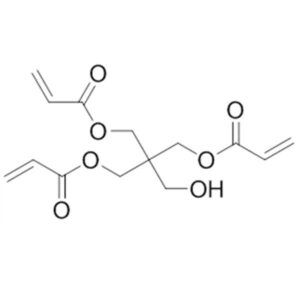
| CHLUMICRYL® PETA Monomer | CAS 3524-68-3 | PETA; 2-(Hydroxymethyl)-2-[[(1-oxoallyl)oxy]methyl]-1,3-propanediyl diacrylate; 3-(acryloyloxy)-2-[(acryloyloxy)methyl]-2-(hydroxymethyl)propyl acrylate |
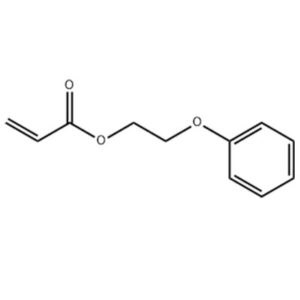
| CHLUMICRYL® PHEA Monomer | CAS 48145-04-6 | 2-PHENOXYETHYL ACRYLATE |
| CHLUMICRYL® PO2-NPGDA | CAS 84170-74-1 | |
| CHLUMICRYL® TEGDMA Monomer | CAS 109-16-0 | Triethylene glycol dimethacrylate |
| CHLUMICRYL® THFA Monomer | CAS 2399-48-6 | Tetrahydrofurfuryl acrylate |
| CHLUMICRYL® TMPTA Monomer | CAS 15625-89-5 | Trimethylolpropane triacrylate |
| CHLUMICRYL® TMPTMA Monomer | CAS 3290-92-4 | Trimethylolpropane trimethacrylate |
| CHLUMICRYL® TPGDA Monomer | CAS 42978-66-5 | Tripropylene glycol diacrylate |
| CHLUMICRYL® UV Functional Monomers | Acrylic Monomers |


Vanessa madriaga –
Thanks for the very successful cooperation, especially in the case of recent product supply problems, longchang chemcial can still deliver within the specified time.
info@changhongchemical.com –
Thanks for your comment, looking forward to the next cooperation.