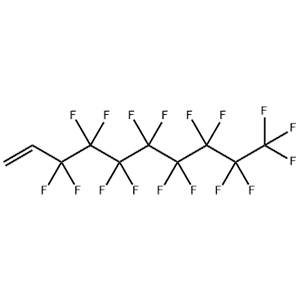
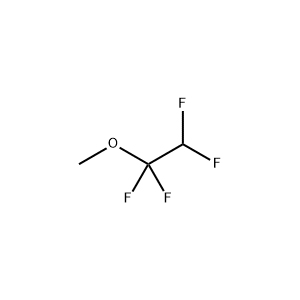
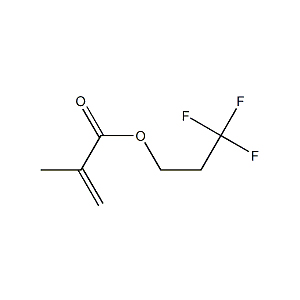
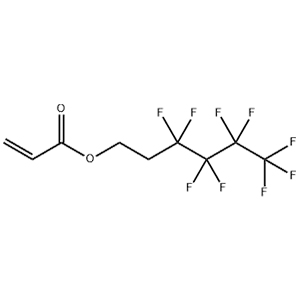
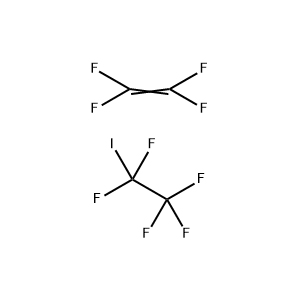
1. Floropolimer Sentezi Monomerler:
Floropolimerlerin sentezi için anahtar monomerler olan bu monomerler, serbest radikal polimerizasyonu ve iyonik polimerizasyon gibi yöntemlerle florlu polimer malzemeler hazırlamak için kullanılır. Bu malzemeler son derece düşük yüzey enerjisine sahip olup hidrofobiklik, oleofobiklik, kimyasal kararlılık, yüksek sıcaklık direnci ve korozyon direnci gibi özelliklere sahiptir. Havacılık ve uzay koruyucu kaplamalarında, elektronik nem geçirmez yalıtım kaplamalarında ve kimyasal boru hattı korozyon önleyici astarlarında kullanılırlar.
2. Polimer Değiştiriciler:
Bu değiştiriciler, mevcut polimer malzemeleri kopolimerizasyon veya aşılama yoluyla modifiye etmek, hava koşullarına dayanıklılıklarını artırmak, yüzey sürtünme katsayılarını azaltmak ve özel alt tabakalara yapışmayı iyileştirmek için kullanılır. Kalite ve performansı artırmak için otomotiv kaplamalarında, plastik filmlerde ve diğer ürünlerde uygulanırlar.
3. Organik Sentez Ara Maddeleri:
Organik sentezde ara ürün olarak hareket ederek, karmaşık organik moleküler yapılar oluşturmak için hidroksil, karboksil, amino ve diğer fonksiyonel grupları içeren bileşiklerle ekleme, ikame ve diğer reaksiyonlara girerler. Çeşitli florlu ince kimyasalların sentezinde kullanılırlar.
4. Kauçuk ve Plastik Katkı Maddeleri:
Kauçuk ve plastik işlemede yardımcı maddeler olarak, eriyik viskozitesini azaltmak ve kalıp ayırmayı iyileştirmek gibi kauçuk ve plastiklerin işleme performansını artırırlar. Ayrıca bitmiş ürünlere belirli kimyasal direnç ve yüzey özellikleri kazandırırlar.
5. Yüzey İşlem Maddeleri:
Kaplamalar, tekstil ürünleri ve deri için yüzey işlemede kullanılan bu ürünler, kaplama katkıları, tekstil yardımcıları ve deri yardımcıları olarak hareket ederek, kendi kendini temizleyen kaplamaların ve su geçirmez ve yağ itici kumaşların hazırlanmasında olduğu gibi, alt tabakalara su itici, yağ itici, leke tutmaz ve yapışmayı önleyici özellikler sağlar.
6. Elektronik Kimyasallar:
Elektronik kimyasallar alanında uygulandıklarında, yüzey işleme maddeleri, temizlik maddeleri veya yalıtım malzemeleri için katkı maddeleri olarak kullanılabilirler. Kimyasal kararlılıkları ve düşük yüzey enerjileri, elektronik cihazların nem direncini, korozyon direncini ve yalıtım performansını artırır.
7. Yüzey Aktif Hammaddeler:
Florlu yüzey aktif maddelerin sentezinde kullanılan bu yüzey aktif maddeler mükemmel yüzey aktivitesine sahiptir ve özel temizleme, emülsifikasyon ve dispersiyon işlemlerinde rol oynar. Üst düzey endüstriyel temizlik ve ince kimyasal alanlar için uygundurlar.
8. Laboratuvar Araştırma Reaktifleri:
Kimya laboratuvarlarında bilimsel araştırmalar için kullanılan bu ürünler, florlu bileşiklerin reaksiyon özelliklerini incelemek ve yeni maddeler sentezlemek için önemli reaktifler olarak hizmet etmekte, flor kimyası ile ilgili akademik araştırmalara ve teknolojik gelişime katkıda bulunmaktadır.