
A "alma" dos materiais fotocuráveis: Fotoiniciadores
No mundo dos materiais fotocuráveis, há um ingrediente que, embora represente apenas 2%-5% da fórmula, atua como uma "chave" nas reações químicas, determinando o sucesso ou o fracasso de todo o processo de cura - é o fotoiniciador. Como o núcleo da tecnologia de fotopolimerização, os fotoiniciadores iniciam rapidamente as reações de polimerização após absorverem a energia da luz, transformando resinas líquidas em materiais sólidos em segundos. Eles são amplamente utilizados em tintas, revestimentos, adesivos, impressão 3D e outros campos. O conteúdo a seguir analisará sistematicamente seus conceitos básicos, tipos, características e tendências de desenvolvimento, proporcionando a você uma compreensão mais profunda da "grande sabedoria" por trás desse "pequeno jogador".
I. Análise conceitual: O que são fotoiniciadores?
Os fotoiniciadores, também conhecidos como fotossensibilizadores ou agentes fotocuradores, são substâncias que, sob irradiação de luz, absorvem energia em comprimentos de onda específicos, formando um estado excitado e, posteriormente, gerando radicais livres ativos ou cátions, iniciando, assim, as reações de polimerização e reticulação de monômeros ou oligômeros.
Seu mecanismo de ação pode ser resumido da seguinte forma:
Eles absorvem a energia de fótons na região do ultravioleta (250-420 nm) ou da luz visível (400-800 nm), fazendo a transição para um estado excitado. Posteriormente, geram radicais livres ativos por meio de clivagem homolítica de ligações químicas (tipo de clivagem) ou reações de abstração de hidrogênio (tipo de abstração de hidrogênio), ou iniciam a polimerização catiônica gerando ácidos protônicos fortes, promovendo, por fim, a cura e a modelagem do sistema.
II. Classificação dos fotoiniciadores
(1) Classificação por mecanismo de fotólise
1. fotoiniciadores de radicais livres do tipo clivagem
Após absorver a energia da luz, a molécula passa para um estado excitado, e as ligações fracas em sua estrutura sofrem clivagem homolítica, gerando diretamente radicais livres ativos.
Exemplos típicos:
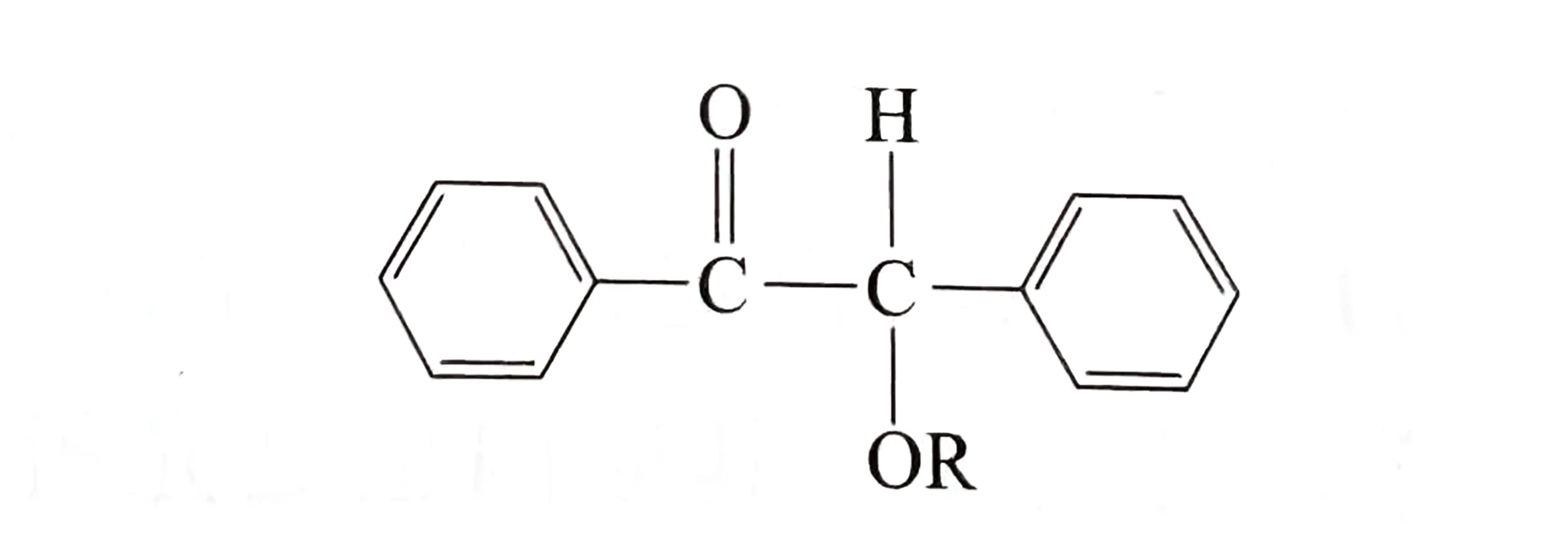
- Benjoim e seus derivados (por exemplo, éteres de benjoim)
- Derivados de α-hidroxicetona (por exemplo, 1173, 184, 2959)
- α-aminoalquilacetofenonas (por exemplo, 907, 369)
- Óxidos de acilfosfina (por exemplo, TPO, 819)

2. hidrogênio Fotoiniciadores de radicais livres do tipo abstração

O fotoiniciador de estado excitado abstrai um átomo de hidrogênio de um doador de átomo de hidrogênio (como um monômero ou pré-polímero), tornando-o um radical livre ativo.
Exemplos típicos:
- Benzofenona e seus derivados
- Derivados de tioxantona (por exemplo, ITX, DETX)
- Derivados de antraquinona (por exemplo, 2-etilantraquinona)
-
Fotoiniciadores catiônicos
Após a irradiação, eles produzem ácidos protônicos superfortes (ácidos de Brønsted ou ácidos de Lewis), iniciando a polimerização catiônica de monômeros, como epóxidos e éteres vinílicos.
Exemplos típicos:
- Sais de iodônio, sais de sulfônio, sais de areno de ferro, etc.
- Características: Pequeno encolhimento de cura, forte adesão e não inibido pelo oxigênio.
(2) Classificação com base em características estruturais
| Categoria | Exemplos típicos | Comprimento de onda de absorção(nm) | Características e aplicações |
| Derivados de benjoim | Benjoim, éter de benjoim | 300~400 | Ele é barato, mas tem baixa estabilidade térmica e é propenso a amarelar, por isso tem sido gradualmente eliminado |
| Derivados de benjoim | BDK (α,α'-dimetilbenzoína acetal) | 254, 337- 390 | Apresenta alta reatividade, mas é propenso a amarelar (os produtos de fotodegradação contêm estruturas semelhantes a quinonas) |
| Derivados de acetofenona | DEAP | 242, 325 | Ele oferece alta eficiência, mas tem baixa estabilidade térmica e é relativamente caro |
| α-hidroxi cetonas | 1173, 184, 2959 | 245~333 | Possui boa estabilidade térmica e resistência ao amarelamento, sendo amplamente utilizado em revestimentos de acabamento, revestimentos de madeira, etc |
| α-aminocetonas | 907, 369 | 230~324 | Alta atividade, adequado para sistemas coloridos; algumas variedades têm limitações devido ao amarelecimento ou à toxicidade |
| Tioxantonas | ITX, DETX | 257~430 | Absorção de comprimento de onda longo, comumente usada para curar camadas espessas ou sistemas coloridos |
| Antraquinonas | 2-etilantraquinona | 256~430 | Ele é insensível à inibição por oxigênio e é frequentemente usado em tintas para máscaras de solda. |
III. Características e princípios de seleção de fotoiniciadores
(1) Princípios de seleção
- Correspondência espectral:O espectro de absorção do iniciador deve se sobrepor ao espectro de emissão da fonte de luz e ter um alto coeficiente de extinção molar.
- Alta eficiência e economia: Boa solubilidade, alta reatividade e baixa dosagem.
- Estabilidade:Estável durante o armazenamento e não se decompõe abaixo de 85°C.
- Compatibilidade do sistema: Selecione um iniciador com atividade adequada com base no tipo de pré-polímero/monômero.
- Uso combinado: Uso de vários iniciadores em combinação para ampliar a faixa de comprimento de onda de absorção e melhorar a velocidade e a profundidade da cura.
- Segurança e respeito ao meio ambiente: Baixo odor, baixa toxicidade e ecologicamente correto.
- Custo controlável: Processo de síntese simples e matérias-primas prontamente disponíveis.
(2) Novas tendências de desenvolvimento
- Sistemas híbridos:Combinando fotoiniciadores catiônicos e de radicais livres, oferece as vantagens de cura rápida, baixo encolhimento e alta adesão.
- Fotoiniciadores de luz visível:Por exemplo, compostos de titanoceno (Irgacure 784), com comprimentos de onda de absorção de até 500 nm, adequados para sistemas de cura por luz visível.
- Fotoiniciadores à base de água: Introdução de grupos hidrofílicos (como sulfonatos) para melhorar a compatibilidade com a água, adequados para revestimentos ecológicos à base de água.
- Fotoiniciadores macromoleculares: Incorporação de fotoiniciadores em cadeias de polímeros para melhorar a compatibilidade e reduzir a migração e o odor.
- Sistemas de cura dupla:Combinação de fotocura com cura térmica, cura por umidade, etc., para resolver o problema de cura em áreas sombreadas e melhorar o desempenho do material.
Conclusão: Pequenos componentes impulsionam um grande futuro
Embora os fotoiniciadores constituam apenas uma pequena porcentagem da formulação, eles são essenciais para obter uma cura eficiente e precisa de materiais fotocuráveis. Com o aumento das demandas ambientais e a expansão dos cenários de aplicação, os fotoiniciadores estão evoluindo continuamente em direção a uma maior eficiência, maior segurança, aplicabilidade mais ampla e maior respeito ao meio ambiente. Da luz ultravioleta à luz visível, dos sistemas à base de óleo aos sistemas à base de água e dos mecanismos de cura única aos mecanismos de cura dupla, cada avanço nessa tecnologia está injetando uma nova vitalidade em campos como fabricação verde, revestimentos inteligentes e impressão 3D. No futuro, os fotoiniciadores continuarão a desempenhar um papel fundamental na condução da tecnologia fotocurável para aplicações ainda mais amplas.