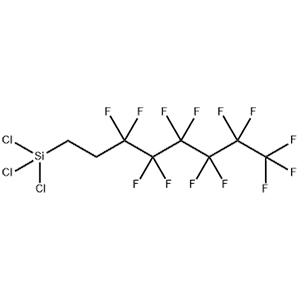
1. Self-Assembled Monolayer (SAMs) Preparation:
Formation of dense SAMs on metal surfaces such as gold and copper, used to modify electrode interfaces and improve the performance of organic thin-film transistors; also serves as an anti-corrosion coating for copper surfaces, providing both lubrication and antioxidant effects.
2. Material Surface Modification and Functionalization:
Used for surface treatment of substrates such as fabrics, leather, glass, and ceramics, imparting hydrophobic, oleophobic, anti-fouling, and self-cleaning properties, extending the service life of materials.
3. Fluorine-Containing Fine Chemical Intermediates:
As a key building block for introducing perfluorodecyl groups, used in the synthesis of fluorinated thioethers, organometallic complexes, etc., facilitating the research and development of fluorinated pharmaceuticals, pesticides, and functional materials.
4. Analytical and Detection Enhancing Reagents:
Modification of substrates such as polydopamine-silver nanoparticle arrays to improve the detection sensitivity of surface-enhanced Raman scattering (SERS), suitable for trace substance analysis.
5. Electronic and Semiconductor Device Interface Control:
Used in the preparation of charge selective layers for organic solar cells and perovskite solar cells, optimizing energy level alignment and passivating substrate defects, improving photovoltaic device efficiency.
6. Specialty Lubricants and Additives:
As a lubricant additive, utilizing the low friction characteristics of perfluorinated chains to reduce wear on mechanical parts, suitable for equipment lubrication needs under extreme conditions such as high temperature and strong corrosion.