1. Synthesis of Fluorinated Surfactants:
Used as a key raw material in the preparation of various fluorinated surfactants. These surfactants possess high surface activity, high thermal stability, and high chemical stability, and can be applied in fields such as fire fighting, textiles, leather, and papermaking, for example, as additives in fire extinguishing agents and as water and oil repellent finishing agents for fabrics.
2. Preparation of Low Surface Energy Coatings:
Used in the production of low surface energy coatings (surface tension ≤ 15 mN/m). These coatings impart excellent water, oil, and stain resistance to substrates and are widely used as protective coatings for building facades, automotive paint surfaces, ship hulls, and optical instrument lenses.
3. Organic Synthesis Intermediate:
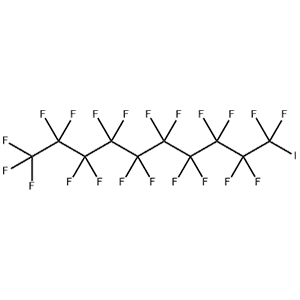
As a fluorinated alkylating agent, it is used to introduce perfluorodecyl groups into organic molecules, synthesizing a variety of fluorinated fine chemicals, such as fluorinated pharmaceutical intermediates, fluorinated pesticide intermediates, and fluorinated polymer monomers. It plays an important role in the research and development and production of pharmaceuticals, pesticides, and materials.
4. Metal Surface Treatment:
Used as a special solvent in metal surface treatment, it can effectively clean and remove oil stains, grease, and other contaminants from metal surfaces. It is suitable for the surface cleaning of precision metal parts and electronic components, ensuring the quality of subsequent processing.
5. Electronic Industry Cleaning:
Used as a cleaning agent in the electronics industry for cleaning electronic circuit boards, semiconductor chips, and other electronic components, removing residual contaminants from their surfaces. Due to its stable chemical properties, it does not easily react with electronic components, ensuring the stable performance of the electronic components.
6. Special Lubricants and Anti-fouling Liquids:
With its low surface tension and high polarity, it can be used as a lubricant for special liquids in precision mechanical parts requiring demanding lubrication performance; it can also be used to prepare anti-fouling liquids, which are coated on the surface of substrates to reduce dirt adhesion, such as anti-biofouling coatings for marine equipment and anti-scaling coatings for pipelines.
7. Production of refrigerants, fire retardants, and hydraulic fluids:
Used in the production of special-purpose refrigerants, fire retardants, and hydraulic fluids, leveraging their excellent chemical and thermal stability to enhance the performance of these products in extreme environments, such as maintaining stable operation under high temperature, high pressure, or highly corrosive conditions.