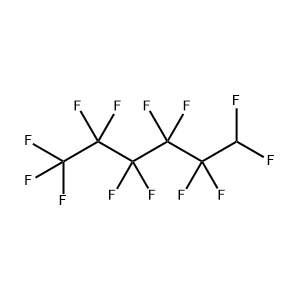
1. Fluoropolymer Synthesis:
Used as a fluorinated epoxy monomer for the synthesis of special high-performance polymer materials such as fluorinated epoxy resins, fluorinated polyurethanes, and fluorinated polyethers, imparting properties such as low surface energy, hydrophobicity and oleophobicity, chemical resistance, and weather resistance to the polymers.
2. Surface Functional Coatings:
Used to prepare anti-fouling, anti-corrosion, and weather-resistant special coatings for application on metal, glass, plastic, and other substrates, such as anti-fouling coatings for marine facilities, waterproof coatings for electronic equipment, protective coatings for automotive paint surfaces, and weather-resistant coatings for building exteriors.
3. Photocurable Materials:
Used in photocurable coatings, adhesives, and inks through photopolymerization reactions, improving the surface performance and durability of the cured materials. Suitable for 3D printing, microelectronics packaging, and printing and packaging applications.
4. Microelectronics and Semiconductors:
Used in photoresists, electronic packaging materials, and dielectric materials in the microelectronics field, utilizing its low dielectric constant, chemical resistance, and waterproof and moisture-proof properties to improve the performance and reliability of electronic components.
5. Textile and Leather Finishing:
Used as a functional finishing agent for textiles and leather, providing fabrics or leather with durable water, oil, and stain resistance without affecting the original breathability and feel of the substrate. Suitable for outdoor clothing, industrial textiles, and high-end leather products.
6. Adesivi e sigillanti:
Used as a modified monomer in the preparation of fluorinated adhesives and sealants, improving the bonding strength, weather resistance, chemical resistance, and aging resistance of the products. Suitable for bonding and sealing needs under special working conditions, such as in aerospace and electronics.
7. Intermedi di chimica fine:
Used in the synthesis of other fluorinated fine chemicals, such as fluorinated surfactants, fluorinated pharmaceutical intermediates, and fluorinated pesticide intermediates, expanding the application range of fluorinated compounds.
8. Food Packaging Materials:
Used for waterproofing and oil-proofing treatment of food packaging materials such as paper, improving the barrier properties of packaging materials and ensuring the quality and safety of food during storage and transportation.
9. Preparation of antibacterial materials:
Utilizing its antibacterial properties, it can be used to prepare antibacterial coatings, antibacterial plastics, and antibacterial fibers, which are applied in medical, hygiene, and household fields to reduce bacterial growth.