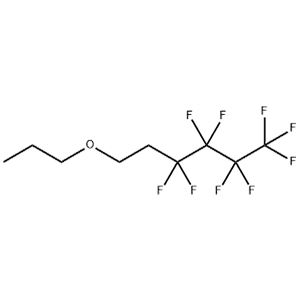
1. Universal Substrate Surface Superhydrophobic/Superoleophobic Modification:
Used for glass, metals, ceramics, stone, fibers, carbon black, etc., to form self-assembled single-molecule fluorosilane films, achieving long-lasting water and oil repellency, stain resistance, and self-cleaning properties. Suitable for building curtain walls, kitchen and bathroom tiles, stone protection, and functional textile finishing.
2. Protective Coatings for the Electronics Industry:
Used as anti-fingerprint and corrosion-resistant coatings for semiconductors, chips, circuit boards, mobile phone/tablet screens, camera modules, etc., reducing surface tension to minimize contaminant adhesion and improving the stability and cleanliness of electronic devices in humid and harsh environments.
3. Optical and Photovoltaic Material Treatment:
Used for optical lenses (cameras, glasses), prisms, solar cell cover plates, etc., to prepare anti-fouling, anti-fog, and anti-reflective coatings, improving light transmittance and weather resistance, reducing reflection losses, and meeting the high reliability requirements of precision optics and photovoltaic components.
4. Coatings and Ink Additives:
Added to fluorocarbon coatings, UV-curing coatings, and inks to improve leveling, chemical resistance, and stain resistance, enhancing coating adhesion and service life. Suitable for high-end industrial coatings and printing and packaging inks.
5. Fine Chemicals and Material Synthesis:
Used as a synthetic monomer for fluorosilicone resins and fluorocarbon surfactants, or for sol-gel system modification, carbon nanotube surface hydrophobic modification, cosmetic pigment encapsulation, etc., expanding the application boundaries of fluorine-containing functional materials.
6. Metal Corrosion Inhibition and Special Lubrication:
Forms a protective film on metal surfaces such as stainless steel to slow down corrosion; also acts as a special lubricant, reducing friction between materials and improving surface smoothness and wear resistance, suitable for precision machinery and metal processing applications.
7. Laboratory Research Reagents:
Used for superhydrophobic interface construction, fluorosilicone material synthesis research, and surface modification mechanism exploration, providing key reagents and modification tools for research in fluorine chemistry and materials science.