
4 meglepő nedvesítőszer tény, amit sosem tudtál!
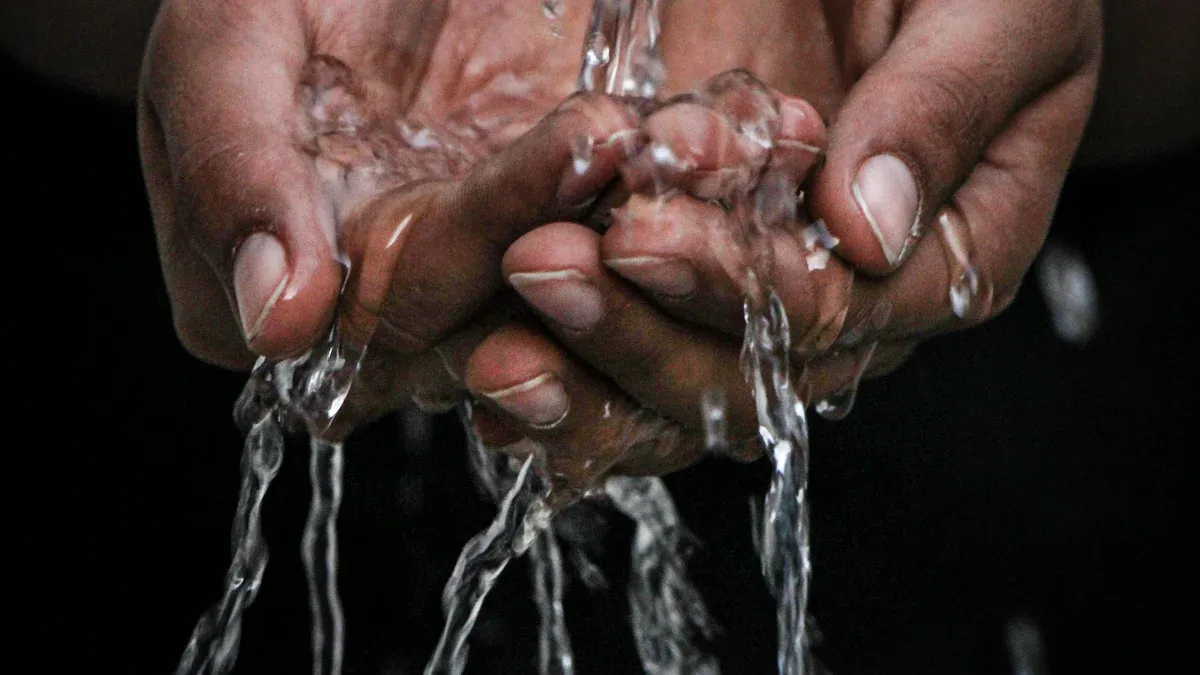
Ön minden nap használ nedvesítőszeres oldatokat, még akkor is, ha nem veszi észre. A nedvesítőszer különleges formájú. Az egyik vége szereti a vizet. A másik vége nem szereti a vizet. Ez a beállítás segíti a felületaktív anyag működését. A víz könnyebben szétterül és beszívódik. A nedvesítőszerek fontosak a tisztítószerekben és a sebkezelésben. Segítenek a tisztítószereknek minden pontra eljutni és eltávolítani a szennyeződéseket. A nedvesítőszerek 2024-ben $1,265 milliárdot tettek ki a piacon. A piac várhatóan növekedni fog:
| Év | Piac mérete (milliárd USD) | CAGR (%) |
|---|---|---|
| 2024 | 1.265 | N/A |
| 2033 | 1.929 | 4.8 |
Készülj fel, hogy megtudj néhány meglepő tényt ezekről a mindennapi segítőkről!
A legfontosabb tudnivalók
- Nedvesítőszerek vannak a dolgokban mint például mosószerek és samponok. Segítenek a víz szétterjedésében és a jobb tisztításban.
- Ezek a szerek csökkentik a felületi feszültséget. Ez lehetővé teszi, hogy a víz kis helyekre is bejusson. Segítenek a dolgok tisztábbá válásában. Sok dologban megtalálhatók otthon.
- A kertészetben a nedvesítőszerek segítenek a víznek könnyebben a talajba jutni. Ez segít a növényeknek a szükséges vízhez és táplálékhoz jutni.
- Egyes nedvesítőszerek környezetbarátok és gyorsabban lebomlanak. Biztonságosabbak a Föld számára. Próbáljon ki természetes szereket használni otthon és a kertben.
- Egyszerű nedvesítőszert készíthet természetes szappanból és vízből. Először mindig egy kis helyen próbálja ki.
1. Nedvesítőszerek a mindennapi életben
Közös termékek
Lehet, hogy nem veszed észre, de nedvesítőszerek évezredek óta a mindennapi élet részei. Az ókori Babilonban az emberek a szappan korai formáit használták, amelyek nedvesítőszerként segítették a ruhák és a bőr tisztítását. Ma már számos háztartási termékben megtalálhatók ezek a hasznos anyagok. A leggyakoribbak közé tartoznak a következők:
- Tisztítószerek
- Tisztítószerek
A nedvesítőszerek kulcsszerepet játszanak ezekben a termékekben. Csökkentik a víz felületi feszültségét, ami segít abban, hogy a víz szétterjedjen és minden sarokba eljusson. Ezáltal a tisztítás sokkal hatékonyabbá válik. Az olyan testápolási termékekben, mint a samponok és a mosószerek, a nedvesítőszerek segítenek a folyadéknak a hajon és a bőrön való egyenletes mozgásban. Ez egyenletes fedettséget és jobb tisztítást biztosít.
Rejtett felhasználások
A nedvesítőszereket többféleképpen használod, mint gondolnád. Minden alkalommal, amikor kezet mos, felmossa a padlót vagy mos, számít rájuk. Ezek a szerek nem csak a víz terjedését segítik. Emellett:
- Csökkenti a felületi feszültséget, hogy a víz elérje az apró helyeket és nagy területeket fedjen le.
- Javítja a szennyeződés behatolását, így a tisztítóoldatok mélyen bejutnak a szálakba és a durva felületekbe.
- Fokozzák az emulgeálást, ami azt jelenti, hogy segítik az olaj és a zsír keveredését a vízzel a könnyű öblítés érdekében.
- Megakadályozza, hogy a szennyeződések visszaülepedjenek a felületekre azáltal, hogy a részecskéket vízben tartja.
Tipp: Ha legközelebb buborékokat látsz a szappanodban vagy a samponodban, ne feledd, hogy a nedvesítőszer keményen dolgozik!
A nedvesítőszerek megkönnyítik és hatékonyabbá teszik a mindennapi munkát. Lehet, hogy nem látja őket, de segítenek abban, hogy otthona minden nap tiszta és friss legyen.
2. Nedvesítőszerek típusai és működésük
Felületaktív anyag szerkezete
A nedvesítőszer a különleges alakja miatt működik. Minden molekulának két vége van. Az egyik vége szereti a vizet, és hidrofil fejnek nevezik. A másik vége nem szereti a vizet, és hidrofób faroknak nevezik. Ez teszi a molekulát amfifilé.
Ha nedvesítőszert teszünk a vízbe, a hidrofil fejek megtapadnak a vízben. A hidrofób végek az olaj vagy a levegő felé mutatnak. Ez megtöri a vízmolekulák közötti erős kötéseket. A felületi feszültség csökken. A víz szét tud terjedni és nagyobb területet tud beteríteni. Ezt akkor láthatjuk, amikor a víz nedvesítőszer használata után a szövetbe vagy a talajba szivárog.
Tudtad? A felületaktív anyagok apró csoportokat, úgynevezett micellákat képezhetnek. Ezek a csoportok megkötik a szennyeződéseket és az olajat. Ez megkönnyíti a lemosásukat.
Különböző alkalmazások
Sokféle nedvesítőszer létezik. Mindegyik típus más-más feladatot lát el. Íme néhány példa:
| Nedvesítőszer típusa | Hol találja meg |
|---|---|
| Bevonatok és tintaipar | Segíti a festék és a tinta egyenletes terjedését |
| Tisztító- és mosószeripar | A tisztítószerek jobban eloszlatják a zsírt és a szennyeződéseket |
| Mezőgazdaság és peszticidek | Segíti a permetek egyenletes lefedettségét |
| Papír- és textilfeldolgozás | Javítja a szövetek festését és nyomtatását |
| Kozmetikumok és testápolás | Segíti a krémek és testápolók felszívódását a bőrbe |
A címkéken olyan neveket láthat, mint nátrium-lauril-szulfát, metilcellulóz vagy poliszorbát 80. A nátrium-lauril-szulfát samponokban és fogkrémekben található. Segíti a víz terjedését és habzását. A poliszorbát 80 az élelmiszerekben és a gyógyszerekben az olaj és a víz összekeverésére szolgál. A metilcellulóz a gyógyszerekben és az élelmiszerekben a keverékek simává tételére szolgál.
Tipp: Nézze meg a termék címkéjét, hogy megtudja, milyen nedvesítőszer van benne.
A nedvesítőszerek segítik a tisztítást otthonában, és vigyázzon a bőrére. Fontosak a mindennapi életében.
3. Nedvesítőszer a kertészetben
Talaj és víz
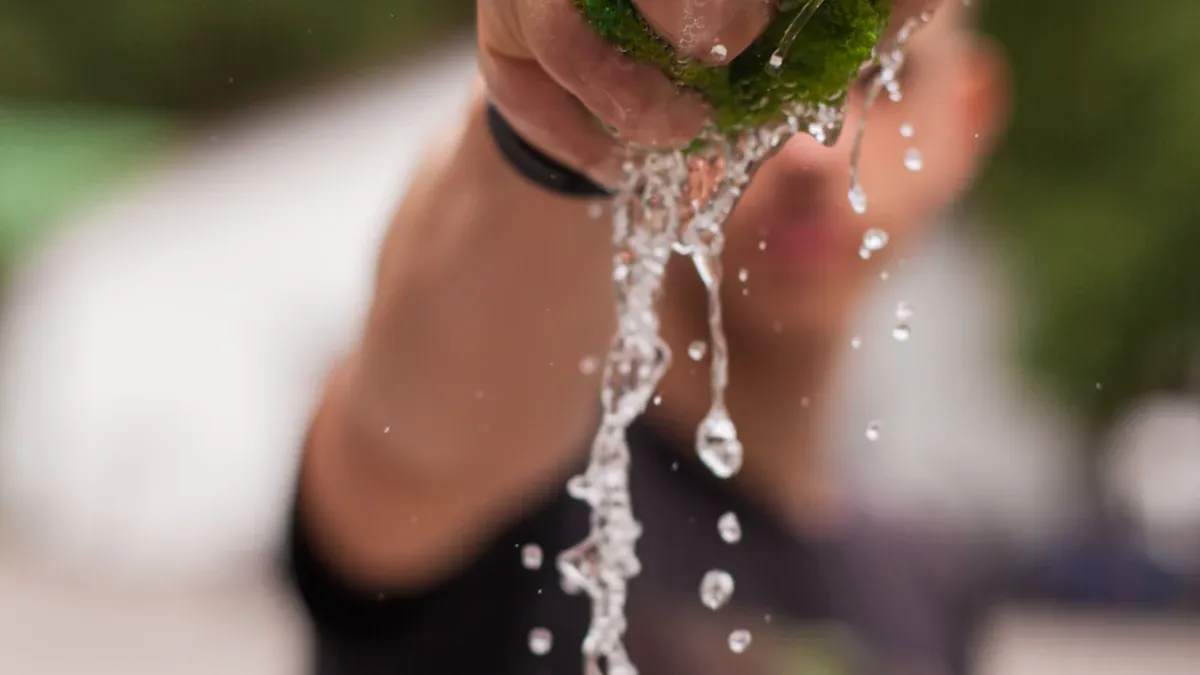
A nedvesítőszer segíthet a kert jobb növekedésében. Egyes talajok, például a homokos vagy száraz talajok nem szívják fel jól a vizet. A víz elfolyhat vagy a tetején maradhat. Így a növények nehezen jutnak elegendő vízhez. A nedvesítőszerek segítik a vizet a talajba kerül és szétterül. A gyökerek könnyebben elérik a vizet és a tápanyagokat.
A tudósok megállapították, hogy a nedvesítőszerek sokat segítenek a kerteknek és a gyepnek. Íme néhány dolog, amit megtudtak:
- Az Arkansas Turfgrass Scientists szerint a nedvesítőszerek kijavítják a száraz foltokat, és segítenek a homokos talajoknak több vizet felvenni.
- Az agyagásványok, például a bentonit és az attapulgit hozzáadása segít a homokos talajoknak több vizet megtartani, és csökkenti a szárazsággal kapcsolatos problémákat.
- A szaponin alapú nedvesítőszerek segítenek a talajnak megtartani a vizet, és megakadályozzák a víz lefolyását. A kezelt talaj akár 17% több vizet képes megtartani, és a száraz időszakokban 50% jobban áztatja a vizet.
A talajhoz különböző nedvesítőszereket választhat. Az alábbi táblázatban látható, hogy az egyes típusok mire képesek:
| Nedvesítőszer típusa | Hatás a vízelosztásra |
|---|---|
| Függőleges vizesek | A víz lefelé áramlik a talajba |
| Vízszintes nedvesítők | Szórja el a vizet a talaj tetején |
| Többfunkciós nedvesítőszerek | Mindkét munkát végezze a jobb eredmények érdekében |
Tippek a használathoz
A nedvesítőszereket okos módon használhatja:
- Használjon nedvesítőszereket, hogy a talaj nedves maradjon, és ritkábban öntözze.
- Segítenek a növényeknek a tápanyagok felvételében a jobb növekedés érdekében.
- Kezelje a száraz foltokat udvarán vagy kertjében a szebb megjelenés érdekében.
- Válasszon olyan termékeket, mint a Duration vagy a Humawet a biztonságos eredmények érdekében.
- Gondoljon a talajra, az időjárásra és a növényekre, mielőtt választ.
A nedvesítőszerek műtrágyákkal és növényvédő szerekkel is együttműködnek. Segítenek abban, hogy a vízpermet jobban befedje a leveleket és a talajt. Ezáltal több műtrágya és növényvédő szer jut el a gyökerekhez. A kertészkedés jobban fog működni. A növények minden helyet ki tudnak használni a víz és a táplálék számára. Ez kevesebb stresszt és jobb növekedést jelent.
Megjegyzés: Egyes nedvesítőszerek túlzott használata károsíthatja a talajt. Egyes termékek túl gyakori használata esetén a víz elfolyhat. Mindig olvassa el a címkét, és ellenőrizze a talaj egészségi állapotát.
A nedvesítőszerek megfelelő használatával segíthet a kert erős növekedésében. A helyes vízhasználat egészséges növényeket és kevesebb munkát jelent Önnek.
4. Környezetbarát és DIY nedvesítőszerek
Természetes lehetőségek
A természetben számos környezetbarát nedvesítőszer létezik. Ezek a választási lehetőségek jól működnek és segítenek a bolygónak. Egyes növények és természetes dolgok erős felületaktív erővel rendelkeznek. Ezeket otthon vagy a kertben is használhatod.
| Természetes anyag | Tulajdonságok |
|---|---|
| Ritha (Sapindus mukorossi) | Figyelemre méltó felületaktív tulajdonságok |
| Pyagi Phool (Zephyranthes carinata) | Környezetbarát alternatívája a szintetikus anyagoknak |
Sok kertész szereti használni Natural Wet®. Yucca Schidigera szaponinokat tartalmaz. Ez a szerves nedvesítőszer segíti a növényeket a víz jobb felhasználásában. Segít a növényeknek a stressz kezelésében is. Kipróbálhatod az agar agart, egy növényi alapú zselatint, amivel egyszerű házi nedvesítőszert készíthetsz a talajhoz.
Íme néhány népszerű környezetbarát nedvesítőszer és termék:
- easy-wet™ 300n: Biológiailag lebomló, nem ionos, és nem tartalmaz szilikont. Segíti a növények jobb növekedését és megakadályozza a permetlé elsodródását.
- Surfaline® WA: Növényekből készül, és gyorsan lebomlik. A nedvesedés és a felszívódás javításával segíti a műtrágya jobb működését.
Tipp: Egyszerű barkács nedvesítőszert is készíthet. Keverj össze egy kis természetes szappant vízzel. Először mindig egy kis helyen próbáld ki.
Környezeti hatás
A nedvesítőszer kiválasztásakor gondoljon a környezetre. Sok szintetikus felületaktív anyag hosszú ideig a természetben marad. Szennyezhetik a vizeket, és károsíthatják az állatokat és a növényeket. Egyes felületaktív anyagok, mint például a nonilfenol-etoxilátok, megváltoztathatják az élővilág és az emberek hormonjait. Mások bőrproblémákat, légzési nehézségeket okozhatnak, vagy károsíthatják a növények gyökereit.
A környezetbarát nedvesítőszerek gyorsabban lebomlanak és kevésbé mérgezőek. Olyan dolgokat használnak, amelyek helyettesíthetők, és segítenek megállítani a környezetszennyezést. Amikor terméket választ, ezeket a dolgokat keresse:
| Kritériumok | Leírás |
|---|---|
| Szabályozási megfelelés | Betartja a biztonsági előírásokat és szabályokat |
| Környezeti hatás | Magas biológiai lebonthatóság és alacsony toxicitás |
| Biztonsági protokollok | Egyértelmű címkék és biztonságos kezelési utasítások |
Azt is ellenőrizheti, hogy a termék olyan dolgokat használ-e, amelyek visszanőnek, és elkerüli a veszélyes dolgokat. Sok új nedvesítőszer úgy készül, hogy jobban lebomlik és biztonságosabb a természet számára.
Megjegyzés: Mindig olvassa el a címkét, és válassza az igényeinek és értékeinek megfelelő termékeket. A környezetbarát választások segítenek gondoskodni otthonáról és bolygónkról. 🌱
Most már négy klassz tényt tudsz a nedvesítőszerekről. Ezek a segítők ott vannak a házadban, a kertedben és a ruháidban. Ennek ismerete segít kiválasztani azokat a termékeket, amelyekkel törődsz. A környezetbarát nedvesítőszerek lebomlanak és segítik a növények növekedését. Az olyan házi készítésű választások, mint az agar agar, jól működnek és biztonságosak. Óvakodjon a mítoszoktól, például attól, hogy azt higgye, a mosogatószer mindig működik, vagy hogy a nedvesítőszerek nem hasznosak.
- Próbálja meg kiszúrni a nedvesítőszereket a mindennap használt dolgokban.
- Válasszon környezetbarát vagy házi készítésű nedvesítőszereket, ha teheti.
Mondd el a véleményed, vagy tedd fel a nedvesítőszerekkel kapcsolatos kérdéseidet a hozzászólásokban! 🌱
GYIK
Mi az a nedvesítőszer?
Használja a nedvesítőszer hogy segítse a víz terjedését és a felületekbe való beivódását. Megkönnyíti a takarítást, a kertészkedést és más feladatokat, mivel a víz több területre jut el.
Minden növénynél használhat nedvesítőszert?
A legtöbb növénynél használhat nedvesítőszert. Mindig ellenőrizze a címkét, és először egy kis területen próbálja ki. Egyes növények másképp reagálhatnak.
A nedvesítőszer biztonságos a háziállatok és a gyerekek számára?
A legtöbb környezetbarát nedvesítőszerek biztonságosak a háziállatok és a gyerekek számára. Családja védelme érdekében mindig olvassa el a termék címkéjét, és kövesse a biztonsági utasításokat.
Hogyan készítsünk házilag nedvesítőszert?
Keverhet egy kis mennyiségű természetes szappant vízzel. Próbálja ki a házi készítésű nedvesítőszert egy kis helyen, mielőtt mindenhol használná.
Miért ül néha a víz a talaj tetején?
A víz megül a talaj tetején, ha a felületi feszültség túl magas. A nedvesítőszer segíti a víz beszivárgását és a növények gyökereinek elérését.