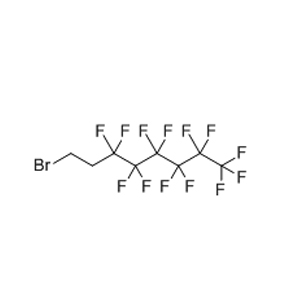
1. Synthèse des fluoropolymères :
Utilisé comme monomère époxyde fluoré pour la synthèse de matériaux polymères spéciaux à hautes performances tels que les résines époxy fluorées, les polyuréthanes fluorés et les polyéthers fluorés, conférant aux polymères des propriétés telles qu'une faible énergie de surface, l'hydrophobie et l'oléophobie, la résistance chimique et la résistance aux intempéries.
2. Revêtements fonctionnels de surface :
Utilisé pour préparer des revêtements spéciaux antisalissures, anticorrosion et résistants aux intempéries à appliquer sur le métal, le verre, le plastique et d'autres substrats, tels que les revêtements antisalissures pour les installations marines, les revêtements imperméables pour les équipements électroniques, les revêtements protecteurs pour les surfaces de peinture automobile et les revêtements résistants aux intempéries pour l'extérieur des bâtiments.
3. Matériaux photodurcissables :
Utilisé dans les revêtements, les adhésifs et les encres photodurcissables par le biais de réactions de photopolymérisation, il améliore les performances de surface et la durabilité des matériaux polymérisés. Convient à l'impression 3D, à l'emballage microélectronique et aux applications d'impression et d'emballage.
4. Microélectronique et semi-conducteurs :
Utilisé dans les résines photosensibles, les matériaux d'emballage électronique et les matériaux diélectriques dans le domaine de la microélectronique, grâce à sa faible constante diélectrique, sa résistance chimique et ses propriétés d'imperméabilité à l'eau et à l'humidité, il permet d'améliorer les performances et la fiabilité des composants électroniques.
5. Finition des textiles et du cuir :
Utilisé comme agent de finition fonctionnel pour les textiles et le cuir, il confère aux tissus ou au cuir une résistance durable à l'eau, à l'huile et aux taches, sans affecter la respirabilité et le toucher d'origine du support. Convient aux vêtements de plein air, aux textiles industriels et aux produits en cuir haut de gamme.
6. Adhésifs et produits d'étanchéité :
Utilisé comme monomère modifié dans la préparation d'adhésifs et de produits d'étanchéité fluorés, il améliore la force d'adhérence, la résistance aux intempéries, la résistance chimique et la résistance au vieillissement des produits. Convient aux besoins de collage et d'étanchéité dans des conditions de travail particulières, notamment dans l'aérospatiale et l'électronique.
7. Intermédiaires de la chimie fine :
Utilisé dans la synthèse d'autres produits chimiques fins fluorés, tels que les tensioactifs fluorés, les intermédiaires pharmaceutiques fluorés et les intermédiaires de pesticides fluorés, ce qui élargit le champ d'application des composés fluorés.
8. Matériaux d'emballage alimentaire :
Utilisé pour l'imperméabilisation et l'imperméabilisation à l'huile des matériaux d'emballage alimentaire tels que le papier, pour améliorer les propriétés de barrière des matériaux d'emballage et garantir la qualité et la sécurité des aliments pendant le stockage et le transport.
9. Préparation de matériaux antibactériens :
Grâce à ses propriétés antibactériennes, il peut être utilisé pour préparer des revêtements antibactériens, des plastiques antibactériens et des fibres antibactériennes, qui sont appliqués dans les domaines de la médecine, de l'hygiène et de l'entretien ménager afin de réduire la croissance bactérienne.