CHLUMIUV® UV-328 / Tinuvin 328 / Eversorb 74 CAS 25973-55-1

Product name: UV Absorber UV-328

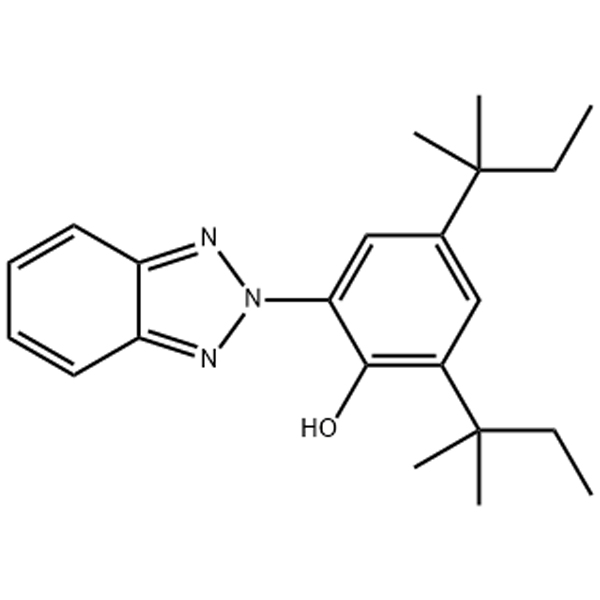
Chemical Name:2-(2H-benzotriazol-2-yl)-4,6-ditertpentylphenol

Synonym:Eversorb 74;GSTAB 328;Tinuvin 328

Cas No.: 25973-55-1

MF: C22H29N3O

Purity: ≥99%(HPLC)

Description

UV-328 / Tinuvin 328 / Eversorb 74 CAS 25973-55-1

Appearance Light yellow crystalline powder
Content ≥99%(HPLC)
Melting point 79-87℃
Ash ≤0.1%
Volatile ≤0.5%
Transmittance 460nm≥96%,500nm≥97%


Application:

1. This product is a high-efficiency ultraviolet absorber, which can effectively absorb ultraviolet light with a wavelength of 270-340 nanometers.
2. The light stabilization performance is similar to UV-326 and UV-327, but this product has good compatibility with resin, low thermal volatilization, and high washing resistance.
3. Mainly used for polyolefin (especially polyethylene), polyester, styrenic polymer, polyamide, polymethyl methacrylate, polycarbonate, elastomer and other polymers.

Suggested addition:

Polystyrene Polyethylene Polyester Polycarbonate Polyvinyl chloride
0.2-0.5% 0.2-0.4% 0.3-0.5% 0.15-0.3% 0.2-0.5%


Storage:
Being kept in dry, clean warehouse with well ventilation.
Avoid exposing to light and heating for prevention of oxidation.
Protecting the product from leakage, rain and insolation during transportation.


Contact Us Now!

If you need COA, MSDS or TDS of UV Absorber, please fill in your contact information in the form below, we will usually contact you within 24 hours. You could also email me info@changhongchemical.com during working hours ( 8:30 am to 6:00 pm UTC+8 Mon.~Sat. ) or use the website live chat to get prompt reply.

UV-328 Application scenarios

1. Polyolefin Products:

Suitable for polyethylene (PE), polypropylene (PP), etc., used in films, pipes, injection molded parts, etc., preventing aging, yellowing, and embrittlement caused by ultraviolet light.

2. Polyvinyl Chloride (PVC):

Used in rigid PVC (such as profiles and sheets) and flexible PVC (such as films and cable materials), improving weather resistance, delaying degradation, and maintaining stable product performance.

3. Styrenic and Engineering Plastics:

Applicable to polystyrene (PS), ABS resin, polycarbonate (PC), polyamide (PA), etc., especially suitable for transparent products and high-temperature processing scenarios, maintaining appearance and physical properties.

4. Polyesters and Unsaturated Polyesters:

Applied to polyester resins and unsaturated polyesters, improving outdoor weather resistance, suitable for fiberglass and resin crafts.

5. Polyurethane (PU):

Used in polyurethane foam, elastomers, synthetic leather, etc., preventing yellowing and aging, maintaining elasticity and mechanical properties.

6. Coatings and Inks:

Added to exterior wall coatings, automotive coatings, outdoor inks, etc., enhancing weather resistance and gloss retention, preventing coating chalking, fading, and peeling.

7. Synthetic Fibers:

Used in polyester fibers, polypropylene fibers, and other synthetic fibers, improving the UV resistance of textiles and extending their service life.

8. Adhesives and Sealants:

Used in various adhesives and sealants, enhancing outdoor stability and preventing loss of bonding strength and aging.

9. Food Contact Plastics:

Suitable for food packaging containers, tableware, and other food contact plastics, providing light stabilization effects and ensuring packaging quality.

10. Rubber Products:

Used in tires, rubber seals, etc., enhancing resistance to ultraviolet and ozone aging, extending service life.

11. Optical and Electronic Materials:

Suitable for resin lenses, optical films, and electronic component encapsulation materials, protecting materials from UV damage and maintaining optical and electrical performance.

Contact US

English